Blog

Roblox: Blox Fruits and the Endless Adventure of Power, Exploration, and Pirate Dreams
Introduction to Roblox: Blox Fruits Roblox and Blox Fruits continue captivating millions through exploration, progression, combat mastery, and open-ended adventure inspired by pirate fantasy worlds. Some games become popular because of graphics. Others succeed because of competitive gameplay. But every once in a while, a game grows because it understands something far more powerful: the excitement of becoming stronger over time. That’s exactly why Blox Fruits exploded in popularity. At first glance, it seems simple. Players explore islands, fight enemies, level up abilities, unlock powers, and search for rare fruits that completely transform combat styles. But after a few hours, something deeper begins happening. The game quietly creates emotional momentum. Every level matters. Every island feels like progress. Every rare discovery feels personal. And before players realize it, they’re no longer simply playing casually. They’re chasing mastery. For many players in the United States, Blox Fruits became more than another experience inside Roblox. It became a long-term adventure shaped by ambition, exploration, teamwork, and the constant thrill of growth. Deep Analysis: Why Blox Fruits Became One of Roblox’s Biggest Experiences The success of Blox Fruits didn’t happen accidentally. The experience combines several highly effective psychological systems: progression, exploration, rarity, competition, social interaction, and long-term achievement. Together, these systems create an addictive gameplay loop that feels rewarding without relying entirely on fast-paced action. At its core, Blox Fruits is about evolution. Players begin weak. Movement feels limited. Abilities are basic. Enemies feel difficult. But slowly, everything changes. Players unlock new fighting styles. They discover stronger fruits. Combat becomes smoother. Travel becomes faster. Challenges that once seemed impossible become manageable. This transformation is emotionally satisfying because progress feels visible. Many modern games struggle with this concept. Players often spend hours without noticing meaningful improvement. Blox Fruits avoids that problem extremely well. Every session usually produces measurable growth: higher levels, stronger attacks, better equipment, increased mobility, or access to entirely new areas. That constant sense of advancement keeps players emotionally invested for long periods. According to gaming engagement studies, progression-based multiplayer systems significantly increase long-term player retention when rewards feel consistent but not instant [Source: Newzoo, 2025]. Blox Fruits reflects this design philosophy clearly. The Emotional Power of Exploration and Discovery One reason Blox Fruits remains so engaging is because the world constantly encourages curiosity. Players rarely feel completely finished. There’s always: another island, another boss, another fighting style, another hidden mechanic, another rare fruit, or another challenge waiting ahead. This structure creates forward momentum naturally. The game world feels less like a checklist and more like a journey. That difference matters. Many online games overwhelm players with menus and repetitive systems. Blox Fruits keeps progression emotionally tied to exploration itself. Traveling to a new island genuinely feels exciting. Especially early on, reaching unfamiliar locations creates the same emotional feeling many players experienced during older adventure games: uncertainty mixed with anticipation. And because players never know exactly what they might discover next, curiosity continues driving engagement. Practical Applications and Gameplay Strategies Despite its accessible appearance, Blox Fruits rewards planning more than many new players realize. One common beginner mistake is focusing entirely on leveling speed without understanding build balance. Experienced players usually pay close attention to: stat distribution, combat range, mobility, fruit compatibility, and resource efficiency. Choosing the right fighting approach dramatically affects long-term progression. Some players prioritize sword-based combat. Others focus heavily on fruit mastery. Some build around mobility and evasion. The flexibility allows players to create personal playstyles rather than following one rigid path. Another important lesson involves patience. Rare items and powerful fruits often require time, exploration, and persistence. Players who expect immediate rewards sometimes become frustrated quickly. Veteran players understand that Blox Fruits is designed around gradual progression. And ironically, that slower progression often makes achievements feel more meaningful. Storytelling Through Personal Progression Unlike traditional story-heavy games, Blox Fruits creates narratives through player growth. A beginner struggling against basic enemies eventually becomes capable of defeating powerful bosses alone. That transformation becomes the story itself. Players remember: their first rare fruit, their first difficult boss victory, the first island that felt dangerous, or the first time they defeated stronger opponents unexpectedly. These moments matter emotionally because they feel earned. And because progression takes time, memories become attached to effort. This emotional structure explains why so many players continue returning even after hundreds of hours. The game continuously reinforces the feeling that there’s always another milestone ahead. Source: Why Progression Systems Keep Players Engaged Longer The Psychology of Exploration in Online Games How Sandbox Multiplayer Experiences Build Communities The Rise of User-Driven Gaming Ecosystems Gaming Communities and Long-Term Retention Trends Another major factor behind Blox Fruits’ popularity is community culture. Players constantly share: leveling strategies, fruit rankings, combat techniques, boss locations, trading advice, and progression guides. This creates an ecosystem where information becomes part of the gameplay experience itself. The social layer strengthens retention significantly. Because once friendships, rivalries, and shared progression become connected to a game, leaving the experience becomes emotionally harder. Expert Insights and Common Mistakes Players Make One of the biggest mistakes new players make is spending resources impulsively. Experienced players usually think long-term before: changing builds, trading valuable items, or replacing powerful abilities. Another mistake involves ignoring mobility mechanics. Movement becomes increasingly important at higher levels. Players who focus only on raw damage often struggle later against more experienced opponents. Timing, positioning, and environmental awareness matter far more than many beginners expect. A third common issue is burnout. Because progression systems are highly rewarding psychologically, some players try to advance too aggressively too quickly. Veteran players often pace themselves better. They understand that enjoyment usually lasts longer when exploration and experimentation remain part of the experience rather than turning gameplay into repetitive grinding exclusively. The Advanced Perspective: Why Blox Fruits Feels So Addictive Blox Fruits succeeds because it combines several emotional motivators simultaneously. Players experience: visible growth, social belonging, rarity-driven excitement, exploration, achievement, and competitive ambition. This combination creates strong emotional engagement loops. One particularly effective system involves uncertainty. Players never know exactly when they might: discover a rare fruit, encounter a difficult challenge, unlock a new ability, or experience a major progression breakthrough. That unpredictability keeps anticipation alive continuously. And anticipation is one of the strongest psychological tools in game design. The game also benefits from identity formation. Players often become emotionally attached to: preferred fruits, fighting styles, combat strategies, or progression paths. This attachment creates deeper personalization. At that point, players are no longer simply leveling characters. They’re expressing identity through gameplay choices. Trends, Data, and the Growth of Roblox Experiences The rise of games like Blox Fruits reflects larger industry trends. Modern players increasingly prefer: long-term progression systems, social multiplayer environments, customizable experiences, and open-ended gameplay. Roblox itself became enormously influential because it supports these behaviors naturally. According to digital gaming reports, user-generated gaming ecosystems continue showing strong growth among younger North American audiences [Source: Statista, 2025]. Experiences that encourage social interaction and long-term engagement consistently outperform isolated short-session games. Blox Fruits aligns closely with this trend. The game also thrives because it evolves continuously through updates, balance adjustments, and new content. This ongoing evolution keeps communities active and discussion constantly moving forward. Comparing Blox Fruits to Other Progression-Based Games Many progression-focused games rely heavily on repetitive systems. Blox Fruits avoids feeling overly mechanical because exploration remains emotionally central. The world itself matters. Players aren’t simply watching numbers increase inside menus. They’re traveling, discovering, fighting, experimenting, and interacting socially. Another important distinction is accessibility. The game introduces systems gradually enough that beginners can participate relatively quickly while still maintaining long-term depth for experienced players. That balance is difficult to achieve. Some games overwhelm newcomers immediately. Others become shallow too quickly. Blox Fruits manages to maintain progression depth without completely losing accessibility. Reference: The Future of Multiplayer Progression Games How Online Games Build Emotional Investment Why Social Gaming Communities Continue Growing User-Generated Platforms and Modern Gaming Culture Digital Reward Systems and Player Retention Another key difference involves pacing. Some competitive games create constant stress and pressure. Blox Fruits balances challenge with exploration more evenly. Players can spend time: farming resources, exploring islands, helping friends, experimenting with builds, or simply enjoying the atmosphere. That flexibility broadens the game’s appeal significantly. Common Concerns and Misunderstandings Around Blox Fruits Some critics dismiss Blox Fruits as repetitive grinding. While progression certainly plays a major role, reducing the experience entirely to grinding ignores the social and exploratory aspects that make the game engaging long-term. Another misconception is that success depends entirely on rare fruits. Experienced players know strategy, movement, timing, and familiarity with mechanics often matter just as much as raw rarity. There’s also a common assumption that games inside Roblox appeal only to younger audiences. In reality, many progression-focused Roblox experiences attract broad player demographics because the systems themselves are emotionally compelling regardless of age. Growth, mastery, and exploration are universally satisfying concepts. Final Thoughts and What Comes Next Blox Fruits continues attracting millions because it understands something fundamental about modern gaming: Players want to feel progress. Not artificial progress. Not meaningless rewards. Real progression that feels connected to effort, exploration, and personal growth. Blox Fruits delivers that feeling consistently through its blend of adventure, discovery, combat, and long-term achievement systems. Its world keeps expanding emotionally because every player experiences the journey differently. And perhaps that’s why so many players continue returning day after day. Not simply to become stronger. But to see how far their adventure can still go. References Newzoo. (2025). Player Progression and Multiplayer Retention Report. Statista. (2025). North American Multiplayer Gaming Trends. Psychology Today. (2024). Motivation, Reward Systems, and Online Gaming Behavior. GameAnalytics. (2025). Long-Term Retention Systems in Multiplayer Games. GamesIndustry.biz. (2025). The Growth of User-Generated Gaming Ecosystems.
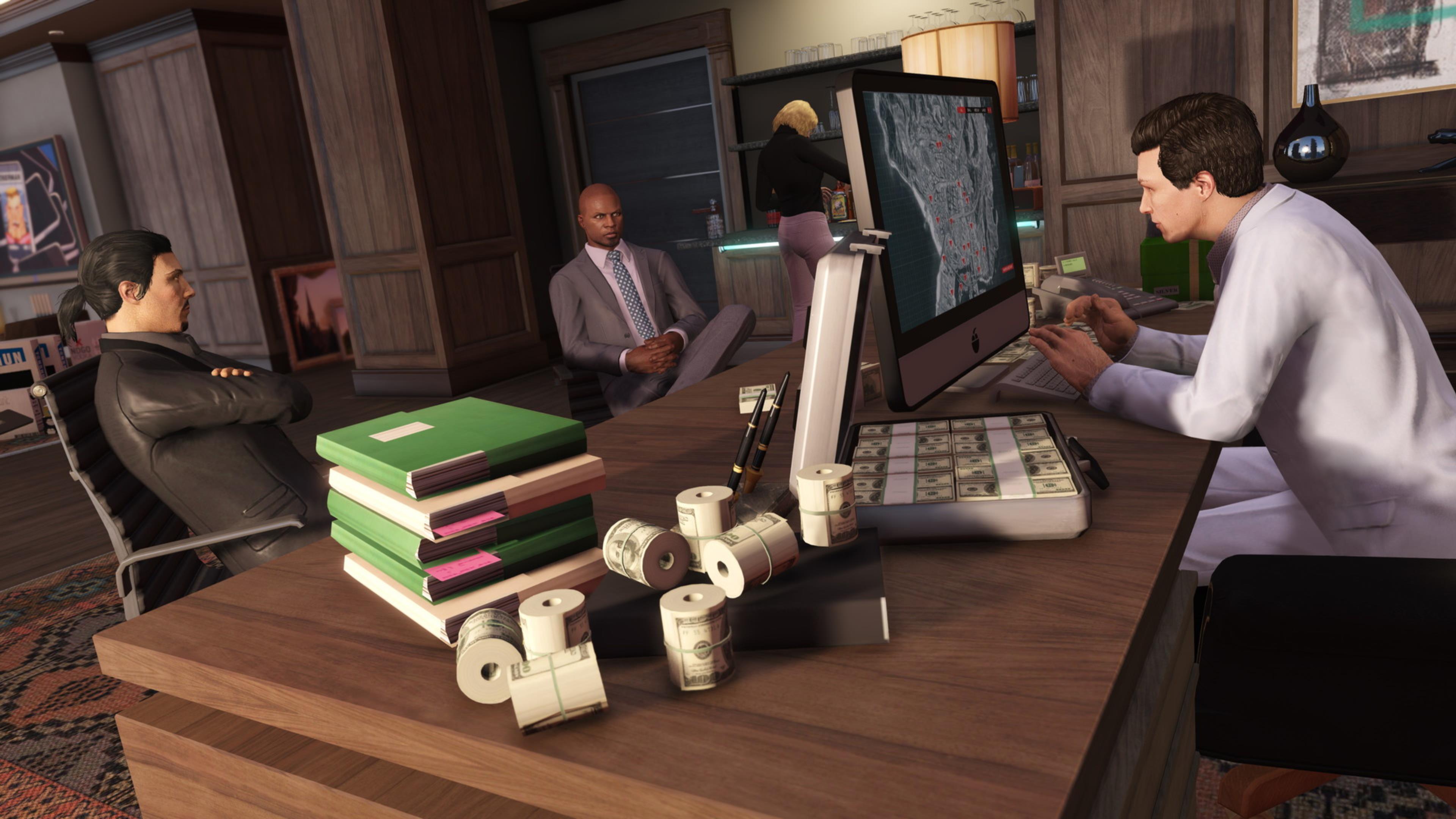
GTA V: The Ultimate Survival and Strategy Guide to Mastering Chaos, Money, and Freedom in Los Santos
Introduction to GTA V Grand Theft Auto V combines survival, strategy, exploration, risk, and freedom inside a chaotic open world driven by opportunity and unpredictability. The first time most players enter Los Santos, the world feels overwhelming. Cars race through crowded streets. Police sirens echo across highways. Money disappears faster than expected. Every mission introduces new risks. And every shortcut somehow turns into complete chaos. At first, GTA V feels like a game about destruction. But after spending enough time inside the world, players begin realizing something far more interesting: the people who truly master GTA V are rarely the most reckless players. They are the players who understand systems. They know: when to take risks, when to escape, how to build money efficiently, how to survive pressure, and how to turn chaos into opportunity. That’s why Grand Theft Auto V remains one of the most influential open-world games ever created. For many players across the United States, the game eventually becomes more than missions and explosions. It becomes a living sandbox about strategy, freedom, progression, and survival inside a world where every decision creates consequences. Deep Analysis: Why GTA V Still Feels Alive After So Many Years Most open-world games eventually feel predictable. GTA V avoids this problem because its systems constantly create unpredictable interactions. Traffic, police behavior, NPC reactions, player choices, and mission outcomes combine into a world that rarely feels completely controlled. That unpredictability keeps players mentally engaged. One moment, players are casually driving through the city. Minutes later, they’re escaping helicopters, avoiding roadblocks, or improvising survival plans after unexpected disasters. This emotional volatility creates memorable experiences naturally. According to player engagement research, open-world games maintaining emergent gameplay systems consistently produce stronger long-term retention because players generate personal stories organically [Source: Newzoo, 2025]. GTA V exemplifies this design philosophy remarkably well. The game world constantly reacts to player behavior instead of simply waiting passively for scripted actions. The Psychology Behind GTA V’s Open-World Freedom Freedom is one of GTA V’s most powerful emotional mechanics. Players can: follow missions, explore freely, earn money, customize vehicles, experiment with chaos, or simply wander through the world without urgency. That flexibility creates emotional ownership. Players begin developing personal playstyles: aggressive risk-takers, strategic grinders, collectors, racers, explorers, or business-focused players. This freedom keeps the game emotionally fresh because progression feels self-directed rather than forced. The game also balances empowerment and vulnerability effectively. Players can acquire incredible vehicles, weapons, and resources. But mistakes still create consequences: police pursuits, failed missions, financial setbacks, and dangerous encounters. That tension prevents the world from feeling emotionally flat. Practical Strategies for Surviving and Progressing Faster One of the biggest mistakes beginners make is spending money impulsively. New players often prioritize flashy purchases before building stable income systems. Experienced players usually focus first on: efficient vehicles, mission accessibility, money-making opportunities, and long-term progression tools. Financial discipline matters enormously inside GTA V. Another common issue involves unnecessary chaos during missions. While reckless behavior can feel entertaining temporarily, experienced players understand controlled aggression usually produces better outcomes. Knowing when to: escape, reposition, slow down, or avoid confrontation often determines survival success. Map awareness also becomes increasingly important. Veteran players learn: escape routes, shortcut locations, traffic behavior, and safe zones instinctively. This environmental understanding dramatically improves efficiency and survivability. Storytelling Through Chaos and Survival One reason GTA V creates unforgettable memories is because every player develops unique stories naturally. Players remember: impossible police escapes, disastrous mission failures, unexpected crashes, close survival moments, and perfectly executed heists. These experiences feel personal because they emerge organically rather than through scripted storytelling alone. A simple drive across the city can suddenly become: a chase, a disaster, a lucky escape, or an unforgettable moment of improvisation. That unpredictability gives the world emotional energy continuously. The game rarely feels static because players constantly create new narratives accidentally. Source: Why Open-World Games Create Stronger Emotional Engagement The Psychology of Freedom and Risk in Gaming How Sandbox Worlds Changed Modern Game Design The Evolution of Emergent Gameplay Systems Why Open-World Chaos Creates Memorable Experiences Another important reason GTA V remains popular is because progression never feels entirely finished. Players continuously pursue: more money, better vehicles, stronger customization, improved efficiency, and larger personal goals. That endless ambition keeps the world feeling active long after story completion. Expert Insights and Common Mistakes Players Make One major beginner mistake is treating every encounter aggressively. Experienced players know survival often depends on restraint. Avoiding unnecessary police attention or dangerous situations frequently saves more time and resources than constant confrontation. Another common mistake involves poor financial management. Many players earn money successfully but spend inefficiently on temporary excitement instead of long-term utility. Veteran players usually prioritize investments improving: mobility, mission efficiency, survivability, and income generation. A third mistake involves ignoring pacing. Some players rush through missions so quickly they miss the environmental storytelling and immersive world-building that make GTA V emotionally compelling. The game rewards observation surprisingly well. The Advanced Perspective: GTA V as a Simulation of Modern Ambition At a deeper level, GTA V functions almost like a simulation of ambition itself. Players begin with limited resources and gradually build influence through: money, skill, knowledge, risk-taking, and strategic decision-making. The world constantly tests adaptability. Unexpected problems appear constantly: failed plans, unpredictable enemies, police escalation, economic pressure, and environmental hazards. This creates dynamic tension that mirrors real psychological reward systems remarkably closely. Players become emotionally attached to progression because effort visibly changes their relationship with the world itself. Better vehicles increase freedom. More money creates opportunity. Experience improves confidence. That transformation feels deeply satisfying. Trends, Data, and the Longevity of GTA V Very few games maintain cultural relevance for as long as GTA V. Its longevity reflects larger gaming trends favoring: persistent worlds, player-driven experiences, emergent storytelling, and long-term progression systems. According to industry analytics, sandbox games featuring open-ended progression and strong social ecosystems consistently outperform heavily scripted experiences in long-term engagement [Source: Statista, 2025]. Streaming culture amplified GTA V enormously. Viewers enjoy: unexpected chaos, creative roleplay, dangerous challenges, police escapes, and high-risk gameplay moments. The game naturally generates entertaining unpredictability. This endless variability keeps content feeling fresh years after release. Comparing GTA V to Other Open-World Games Many open-world games focus heavily on structured narratives. GTA V succeeds because it balances: scripted storytelling, player freedom, systemic chaos, and emergent gameplay simultaneously. Another important distinction involves emotional pacing. Some games maintain constant intensity. GTA V alternates naturally between: calm exploration, strategic planning, high-speed action, and moments of pure unpredictability. This emotional rhythm prevents fatigue and improves immersion. The game world also feels unusually reactive. Traffic systems, NPC behavior, police responses, and environmental interactions constantly create situations players cannot fully predict. That unpredictability creates authenticity. Reference: The Future of Sandbox Open-World Gaming How Freedom-Based Games Improve Player Retention Streaming Culture and the Rise of Emergent Gameplay Why Open-World Chaos Creates Stronger Emotional Memories Decision-Making and Risk Psychology in Gaming Another fascinating distinction involves emotional ownership. Players rarely remember GTA V purely because of missions. They remember: personal escapes, failed plans, accidental disasters, creative improvisation, and moments where survival depended entirely on quick thinking. Those experiences create emotional memories far stronger than scripted objectives alone. Common Concerns and Misunderstandings Around GTA V Some players initially assume GTA V is only about chaos and destruction. In reality, experienced players often approach the game strategically: managing resources, optimizing progression, planning missions, and balancing risk carefully. Another misconception is that the game becomes repetitive over time. Ironically, GTA V often becomes more interesting as players gain familiarity with: systems, shortcuts, money strategies, and emergent gameplay possibilities. There’s also concern around burnout from excessive grinding or repetitive progression loops. Veteran players usually maintain enjoyment longer by balancing: structured goals, exploration, experimentation, and spontaneous gameplay together. The sandbox works best when players allow unpredictability to remain part of the experience. Final Thoughts and What Comes Next Grand Theft Auto V continues dominating gaming culture because it understands something deeply important about player psychology: Freedom becomes meaningful when the world reacts to it. GTA V creates emotional investment through: unpredictability, progression, risk, survival, and personal storytelling. Every mistake creates consequences. Every success creates momentum. Every session feels capable of producing something unexpected. That dynamic energy keeps the world alive years after release. And perhaps that’s the real reason players continue returning to Los Santos. Not because the city feels safe. But because it never truly feels predictable. References Newzoo. (2025). Open-World Gaming Engagement and Retention Report. Statista. (2025). Sandbox Gaming Market Trends in North America. Psychology Today. (2024). Risk, Freedom, and Emotional Motivation in Gaming. GameAnalytics. (2025). Player Behavior Patterns in Open-World Sandbox Games. GamesIndustry.biz. (2025). The Evolution of Emergent Gameplay Systems in Modern Gaming.

Roblox: Anime Vanguards and the Ultimate Strategy Guide to Mastering One of the Most Addictive Tower Defense Games Right Now
Introduction to Roblox: Anime Vanguards Roblox and Anime Vanguards combine strategic planning, progression systems, teamwork, and anime-inspired combat into an intensely rewarding defense experience. There’s a moment every Anime Vanguards player experiences eventually. At first, the game feels simple. Place units. Defend waves. Upgrade strategically. Repeat. But after a few difficult stages, players suddenly realize something important: winning consistently is not about randomness. It’s about understanding systems. The placement of one unit changes the outcome of an entire round. One poor upgrade timing can destroy momentum. One weak strategy becomes painfully obvious against later waves. And that’s exactly why Anime Vanguards became so addictive for so many players. Beneath the colorful visuals and anime-inspired combat exists a surprisingly deep strategy ecosystem built around efficiency, timing, adaptation, and long-term progression. For many players in the United States, Anime Vanguards quickly evolved from casual entertainment into a game about optimization, experimentation, and mastery. Because the deeper players go, the more they realize: the strongest strategies are rarely the most obvious ones. Deep Analysis: Why Anime Vanguards Feels So Rewarding Many tower defense games rely heavily on repetition. Anime Vanguards succeeds because it makes progression feel dynamic instead of mechanical. At its core, the game constantly balances three emotional systems: strategy, progression, and anticipation. Players are always trying to improve: stronger units, smarter placements, better synergy, faster clears, or more efficient farming routes. That visible improvement creates emotional satisfaction. But unlike simpler tower defense games, Anime Vanguards also rewards adaptability. One strategy rarely dominates every situation perfectly. Different maps, enemy types, wave pacing, and unit interactions force players to think continuously instead of relying on autopilot. This mental engagement is critical. According to player retention studies, strategy-focused multiplayer games maintain stronger long-term engagement when players feel decision-making quality directly impacts success [Source: Newzoo, 2025]. Anime Vanguards benefits enormously from this principle. Players don’t just feel lucky when they win. They feel intelligent. And feeling strategically effective is psychologically powerful. The Psychology of Unit Progression and Team Building One reason Anime Vanguards feels emotionally satisfying is because progression feels layered. Players improve not only through higher stats, but through understanding. At first, beginners often focus only on rarity. They assume stronger-looking units automatically guarantee victory. Experienced players eventually realize the real game revolves around synergy. How units interact matters more than raw power alone. A balanced team usually performs better than random high-rarity combinations because: placement coverage, attack timing, economy management, and crowd control all influence survival heavily. This creates deeper strategic thinking over time. Players begin planning around: wave pacing, resource efficiency, upgrade timing, and long-term scaling instead of immediate damage output alone. That evolution keeps gameplay intellectually engaging. Practical Strategies That Actually Improve Performance One common beginner mistake is over-upgrading too early. New players often spend resources aggressively during early waves, leaving themselves economically weak later when difficulty spikes dramatically. Experienced players usually think in phases: early survival, mid-game stabilization, and late-game scaling. Understanding pacing becomes incredibly important. Another critical lesson involves placement discipline. Unit positioning affects: range efficiency, lane coverage, targeting behavior, and upgrade value. A perfectly positioned average unit often outperforms a poorly placed rare unit. Experienced players constantly analyze map geometry rather than placing characters randomly. Economy management also separates advanced players from beginners. Knowing when to save resources instead of upgrading impulsively dramatically improves long-term consistency. Storytelling Through Failure and Adaptation One reason Anime Vanguards creates memorable gameplay is because failure usually feels educational instead of meaningless. Players often lose because: they underestimated enemy scaling, mismanaged upgrades, ignored synergy, or reacted too slowly. That kind of failure teaches naturally. The game creates emotional tension through progression risk. A strong run can collapse suddenly. One mistake can destroy momentum. Late waves become psychological pressure tests. These situations generate memorable experiences because players feel personally responsible for outcomes. And when players overcome difficult stages after repeated failure, the victories feel genuinely earned. That emotional payoff keeps people returning repeatedly. Source: Why Strategy Games Create Stronger Long-Term Engagement The Psychology of Progression Systems in Gaming How Multiplayer Strategy Games Build Player Retention The Rise of Anime-Inspired Multiplayer Experiences Why Tower Defense Games Continue Thriving Online Another major factor behind Anime Vanguards’ popularity is community strategy culture. Players constantly discuss: tier lists, meta shifts, placement guides, farming efficiency, and hidden synergies. This creates an evolving ecosystem where knowledge itself becomes part of progression. The game remains engaging partly because strategies never feel fully “solved.” Expert Insights and Common Mistakes Players Make One major mistake beginners make is chasing rarity over utility. A high-rarity unit without proper synergy often performs worse than a coordinated team built around balanced mechanics. Experienced players prioritize function over appearance. Another common issue involves tunnel vision. Some players focus entirely on damage output while ignoring: crowd control, support utility, range coverage, or economy scaling. Advanced gameplay requires balance. A third mistake involves ignoring adaptability. Many players rely on one strategy repeatedly even when maps or enemy types clearly demand different approaches. Veteran players constantly adjust based on conditions. Flexibility becomes one of the most valuable skills in the game. The Advanced Perspective: Why Anime Vanguards Feels So Addictive Anime Vanguards creates addictive engagement because it combines: strategic control, visible progression, collection systems, uncertainty, and social competition simultaneously. One especially powerful mechanic is anticipation. Players constantly feel close to: unlocking stronger units, improving strategies, clearing harder stages, or discovering new synergies. That “almost there” feeling keeps motivation alive. The game also benefits from mastery psychology. Players gradually transform from reactive beginners into predictive strategists. At first, gameplay feels chaotic. Later, experienced players begin anticipating wave patterns, scaling curves, and optimal timing instinctively. That transformation creates deep satisfaction because players can feel themselves improving mentally — not just statistically. Trends, Data, and the Growth of Strategy Games on Roblox The popularity of Anime Vanguards reflects larger trends in online gaming culture. Modern players increasingly enjoy: progression-heavy systems, strategic depth, social gameplay, and long-term optimization. Roblox itself evolved far beyond casual mini-games into a platform supporting highly sophisticated multiplayer ecosystems. According to gaming analytics reports, progression-based strategy experiences continue performing strongly among younger North American gaming audiences because they encourage both social interaction and replayability [Source: Statista, 2025]. Anime-inspired games also maintain strong visibility online due to streaming culture, content creation, and community engagement. Players enjoy discussing strategies almost as much as playing itself. Comparing Anime Vanguards to Other Tower Defense Experiences Many tower defense games become repetitive because strategies stabilize too quickly. Anime Vanguards maintains engagement longer because: unit combinations remain flexible, progression systems evolve, and community-driven meta discussions continuously shift. Another important distinction involves pacing. Some strategy games overwhelm beginners immediately with complexity. Others oversimplify systems too aggressively. Anime Vanguards balances accessibility and depth surprisingly well. New players can participate relatively quickly. Experienced players still discover optimization opportunities hundreds of hours later. That layered complexity significantly improves longevity. Reference: The Future of Strategy-Based Multiplayer Gaming How Reward Systems Influence Long-Term Player Motivation Why Competitive Strategy Communities Keep Growing Streaming Culture and the Popularity of Anime Games The Psychology Behind Strategic Decision-Making in Games Another key difference involves emotional pacing. Anime Vanguards constantly alternates between: calm planning, economic decisions, escalating pressure, and chaotic late-wave survival. That emotional rhythm keeps sessions psychologically engaging without becoming monotonous. Common Concerns and Misunderstandings Around the Game Some players initially assume Anime Vanguards depends mostly on luck. While randomness certainly influences unit acquisition, experienced players consistently prove strategy matters enormously. Strong positioning and resource management often outperform raw rarity advantages. Another misconception is that grinding alone guarantees mastery. In reality, progression without strategic understanding eventually creates performance limitations. Players who study mechanics, adapt strategies, and understand synergy usually improve much faster. There’s also concern among some players about balancing enjoyment versus optimization. Highly competitive progression systems can sometimes encourage burnout when players focus entirely on efficiency. Veteran players often maintain longer-term enjoyment by balancing: experimentation, social play, and progression goals together. Final Thoughts and What Comes Next Anime Vanguards became one of the most engaging strategy experiences on Roblox because it understands something fundamental about modern gaming: Players want to feel smarter over time. Not just stronger. Not just luckier. Smarter. The game rewards: adaptation, planning, experimentation, timing, and strategic thinking in ways that feel emotionally satisfying. That’s why victories feel meaningful. That’s why progression feels addictive. And that’s why players continue returning even after difficult defeats. Because every failed run quietly teaches something useful. And every successful run proves improvement is happening. In the end, Anime Vanguards is not only about defending against waves. It’s about learning how to think several moves ahead inside a world where strategy constantly matters. References Newzoo. (2025). Strategy Gaming Engagement and Retention Trends. Statista. (2025). North American Multiplayer Strategy Gaming Statistics. Psychology Today. (2024). Decision-Making, Reward Systems, and Gaming Motivation. GameAnalytics. (2025). Player Behavior Patterns in Strategy-Based Multiplayer Games. GamesIndustry.biz. (2025). The Evolution of Modern Tower Defense Experiences.

GTA Vice City: The Definitive Journey Through Crime, Freedom, and the Neon Era of Open-World Gaming
Introduction to GTA Vice City Grand Theft Auto: Vice City blends crime storytelling, open-world freedom, neon-soaked atmosphere, and unforgettable ambition into one of gaming’s most iconic experiences. Some games are remembered for mechanics. Others survive because of nostalgia. But every once in a while, a game becomes larger than entertainment itself. It becomes a mood. That’s exactly what happened with GTA Vice City. The first time players drove through neon-lit streets while music echoed across the city skyline, something clicked emotionally. The world felt dangerous, stylish, unpredictable, and strangely alive all at once. And unlike many open-world games that simply offered missions, Grand Theft Auto: Vice City offered fantasy. Not fantasy in the traditional sense of dragons or magic. But fantasy rooted in freedom, ambition, power, and reinvention. For many players across the United States, Vice City became more than a crime game. It became a digital time capsule of excess, risk, and possibility wrapped inside one of the most memorable atmospheres gaming had ever created. Even decades later, players still remember: the music, the streets, the vehicles, the colors, and the feeling of building influence inside a city that constantly tempted players toward chaos. That emotional memory is why Vice City remains legendary. Deep Analysis: Why GTA Vice City Still Feels Timeless Many older games age mechanically. Vice City survives because atmosphere carries emotional weight beyond graphics or technology. The game world feels cohesive in a way many modern open-world games still struggle to replicate. Everything supports the same emotional tone: the soundtrack, architecture, lighting, dialogue, clothing, vehicles, and pacing. This creates immersion through consistency. Players don’t simply observe Vice City. They absorb it. According to gaming immersion studies, worlds with strong thematic identity create deeper long-term emotional attachment because environmental storytelling continuously reinforces player emotion [Source: Newzoo, 2025]. Vice City demonstrates this exceptionally well. The city itself feels like a character. Bright beaches and neon lights hide violence, ambition, greed, and instability beneath the surface. That contrast creates emotional tension constantly. The world feels glamorous and dangerous simultaneously. The Psychology Behind Vice City’s Open-World Freedom One reason Vice City became culturally iconic is because it captured the emotional fantasy of reinvention. Players begin with limited influence. Over time, they slowly build: money, power, property, reputation, and control. This progression creates momentum psychologically. Every successful mission feels like another step toward ownership of the city itself. And unlike linear games, Vice City allows players to pause structured progression and simply exist inside the world: driving aimlessly, exploring neighborhoods, listening to music, causing chaos, or discovering hidden locations. That freedom creates emotional intimacy with the environment. Players begin forming personal memories attached to specific streets, beaches, clubs, and missions. The city stops feeling digital. It starts feeling familiar. Practical Strategies for Thriving in Vice City One common beginner mistake is rushing through missions too aggressively. Experienced players usually spend time learning: map layouts, safe routes, weapon locations, and escape patterns first. Vice City rewards environmental awareness heavily. Another major mistake involves poor financial management. New players often spend money impulsively without investing strategically in: property, weapons, transportation, or income-generating opportunities. Veteran players understand progression becomes dramatically smoother once economic systems stabilize. Vehicle management also matters more than many players initially realize. Certain missions become significantly easier with: faster vehicles, durable transportation, or escape-friendly positioning prepared in advance. Preparation reduces chaos enormously. Although in Vice City, chaos never disappears completely. Storytelling Through Crime, Ambition, and Atmosphere One reason Vice City remains emotionally memorable is because progression feels cinematic without becoming overly scripted. Players remember: desperate escapes, explosive betrayals, dangerous missions, and moments where everything nearly collapsed unexpectedly. The game constantly balances confidence and vulnerability. Players become stronger gradually. But danger always remains present beneath the surface. This tension gives progression emotional weight. Vice City also excels at environmental storytelling. A quiet nighttime drive across neon streets can feel strangely reflective. Meanwhile, chaotic police chases create sudden adrenaline spikes moments later. This emotional contrast keeps the experience dynamic. The world breathes through mood as much as gameplay. Source: Why Atmosphere Matters More Than Graphics in Long-Term Gaming Nostalgia The Psychology of Open-World Freedom and Escapism How Classic Sandbox Games Influenced Modern Design The Evolution of Open-World Storytelling in Gaming Why Retro Open-World Games Still Feel Emotionally Powerful Another reason Vice City remains iconic is because players remember how the game felt, not simply what they accomplished. Very few games create emotional atmosphere this consistently. That emotional memory becomes stronger than mechanics alone. Expert Insights and Common Mistakes Players Make One major mistake new players make is approaching Vice City purely as a chaotic action sandbox. Experienced players often appreciate the slower moments equally: exploration, atmosphere, music, environmental details, and pacing. These elements are central to the experience. Another common issue involves ignoring strategic preparation before missions. Vice City rewards players who: stock weapons carefully, understand geography, and anticipate escape routes before problems begin. A third mistake involves comparing older open-world design directly to modern standards without considering context. Vice City became revolutionary because it helped define emotional freedom in open-world gaming long before many current systems existed. Its influence matters historically as much as mechanically. The Advanced Perspective: Vice City as a Fantasy of Reinvention At a deeper level, Vice City functions almost like a digital fantasy about transformation. Players enter a hostile city with limited power. Slowly, they reshape their position through: ambition, risk, adaptability, and persistence. This progression creates emotional satisfaction because players visibly alter their relationship with the world itself. More money creates freedom. More property creates influence. More experience creates confidence. The city gradually responds differently to player presence. Vice City also understands pacing extraordinarily well. Moments of chaos feel stronger because quieter moments exist between them. This emotional rhythm prevents exhaustion and strengthens immersion. Trends, Data, and the Lasting Influence of Vice City Vice City helped redefine expectations for open-world games permanently. Modern sandbox experiences continue borrowing systems centered around: player freedom, emergent gameplay, environmental immersion, and atmospheric storytelling. According to gaming market analysis, nostalgia-driven engagement remains exceptionally powerful when games successfully combine emotional identity with player freedom [Source: Statista, 2025]. Vice City continues thriving culturally because it achieved both simultaneously. Streaming culture and retrospective gaming content also revived appreciation for older sandbox classics. Viewers still enjoy: discovering hidden details, revisiting iconic missions, exploring forgotten mechanics, and experiencing retro open-world storytelling again. The emotional identity of Vice City remains unusually strong across generations. Comparing Vice City to Other Open-World Games Many open-world games prioritize scale. Vice City prioritized atmosphere. That distinction matters enormously. The world may feel smaller by modern standards, but its emotional density remains exceptional. Every neighborhood feels intentional. Every soundtrack choice reinforces identity. Every mission contributes to mood. Another important difference involves pacing. Modern games often overload players with objectives constantly. Vice City allows space for: wandering, observation, improvisation, and immersion naturally. This slower pacing strengthens emotional attachment to the world itself. Vice City also balances absurdity and seriousness uniquely well. The game never feels fully realistic. Yet emotionally, the ambition and tension still feel believable. That balance creates timeless charm. Reference: The Future of Open-World Immersion and Sandbox Design How Emotional Atmosphere Increases Long-Term Player Retention Streaming Culture and the Return of Classic Open-World Games Why Nostalgia Continues Driving Retro Gaming Communities Environmental Storytelling and Emotional Memory in Gaming Another fascinating aspect of Vice City is how memory itself improves the experience over time. Players often remember fragments: neon reflections, radio music, ocean sunsets, dangerous missions, and late-night escapes. Those fragments combine into emotional nostalgia stronger than many technically superior games achieve. Common Concerns and Misunderstandings Around Vice City Some players initially assume Vice City feels outdated because of its age. In reality, many experienced players argue its atmosphere and pacing remain more emotionally distinctive than many modern open-world games. Another misconception is that the game revolves only around chaos and violence. While action certainly defines much of the gameplay, Vice City’s emotional strength comes largely from: style, mood, ambition, music, and environmental immersion. There’s also concern that nostalgia alone explains its reputation. But nostalgia rarely survives decades without meaningful emotional design underneath it. Vice City continues resonating because it created a world players genuinely enjoyed inhabiting. That distinction matters. Final Thoughts and What Comes Next Grand Theft Auto: Vice City remains legendary because it understood something many open-world games still struggle to capture: Freedom feels unforgettable when the world itself has personality. Vice City wasn’t just a map filled with missions. It was: atmosphere, music, danger, ambition, style, and emotional escapism blended together into one unforgettable experience. Every street carried possibility. Every mission carried risk. Every drive through the city felt like part of a larger personal story. And perhaps that’s the real reason Vice City still matters after all these years. Not because it was perfect. But because it made players feel like they belonged inside its chaos — even if only for a few unforgettable nights beneath neon skies. References Newzoo. (2025). Open-World Nostalgia and Player Engagement Trends. Statista. (2025). Sandbox Gaming and Retro Market Analysis in North America. Psychology Today. (2024). Escapism, Atmosphere, and Emotional Memory in Gaming. GameAnalytics. (2025). Player Retention Patterns in Open-World Sandbox Experiences. GamesIndustry.biz. (2025). The Evolution of Atmospheric Storytelling in Open-World Games.

Roblox: Devil Hunter and the Ultimate Survival Guide to Mastering One of the Darkest Anime-Inspired Action Games Online
Introduction to Roblox: Devil Hunter Roblox and Devil Hunter combine fast-paced combat, progression systems, dangerous enemies, and dark fantasy storytelling into an intense multiplayer adventure. Some games reward speed. Others reward strategy. But every once in a while, a game becomes memorable because it creates tension — the kind that keeps players focused even during quiet moments. That’s exactly what happens inside Devil Hunter. At first, the game feels straightforward: fight enemies, gain power, unlock abilities, progress through increasingly dangerous encounters. But after a few hours, players begin noticing something deeper beneath the action. Every battle becomes a test of timing. Every upgrade choice affects survival. Every new area introduces uncertainty. And suddenly, the game stops feeling casual. It becomes personal. For many players in the United States, Devil Hunter became more than another anime-inspired Roblox experience. It became a progression-driven world built around mastery, risk, and the constant pursuit of becoming stronger against increasingly brutal opposition. Because in Devil Hunter, strength is never permanent. You either adapt — or fall behind. Deep Analysis: Why Devil Hunter Feels So Addictive One reason Devil Hunter keeps players engaged for long periods is because progression feels emotionally visible. Players begin weak. Combat feels clumsy. Enemies feel overwhelming. Then slowly, everything changes. Attacks become smoother. Movement becomes faster. Abilities become more destructive. Confidence increases. That transformation creates psychological momentum. And momentum is one of the most powerful retention systems in gaming. Unlike many simpler action games where upgrades feel cosmetic, Devil Hunter constantly reminds players that improvement changes survival probability directly. That emotional connection between growth and survivability creates deeper investment. According to gaming engagement reports, progression systems tied directly to combat mastery produce significantly stronger long-term player retention than purely passive progression loops [Source: Newzoo, 2025]. Devil Hunter reflects this design philosophy extremely well. The game rewards persistence without making success feel automatic. The Emotional Psychology of Combat Progression Combat in Devil Hunter succeeds because it balances empowerment with vulnerability. Players can become extremely strong over time. But danger never fully disappears. That balance matters psychologically. Games become boring when players feel permanently safe. They become frustrating when difficulty feels unfair. Devil Hunter maintains tension by ensuring players constantly encounter: stronger enemies, harder zones, more complex combat situations, and increasing pressure. This keeps progression emotionally meaningful. The game also benefits from visual escalation. Abilities feel stronger. Animations feel more impactful. Combat rhythm becomes faster and more fluid. These changes reinforce the emotional sensation of becoming more experienced. And because players can physically feel their gameplay improving, progression becomes satisfying beyond numerical upgrades alone. Practical Strategies and Survival Tips One of the most common beginner mistakes is focusing entirely on raw damage output. New players often assume stronger attacks automatically guarantee survival. Experienced players understand combat efficiency depends equally on: positioning, movement timing, resource management, and defensive awareness. Another major mistake involves rushing progression zones too aggressively. Many players enter difficult areas before understanding enemy behavior patterns properly. Veteran players usually study: attack timing, movement range, ability cooldowns, and environmental positioning carefully before pushing forward. Patience becomes surprisingly valuable. Resource management also plays a critical role. Players who waste abilities carelessly often struggle later during extended encounters where timing becomes essential. Efficient combat is rarely chaotic. It’s controlled. Storytelling Through Combat and Persistence One reason Devil Hunter creates memorable experiences is because progression feels earned through struggle. Players remember: their first difficult boss victory, surviving impossible encounters, unlocking game-changing abilities, or narrowly escaping dangerous situations with almost no health remaining. These moments feel meaningful because the game allows players to fail repeatedly before succeeding. And repeated failure creates emotional stakes. When victory finally happens after genuine difficulty, the emotional payoff becomes significantly stronger. This is why challenging progression systems often produce deeper long-term memories than easy reward loops. The struggle itself becomes part of the narrative. Source: Why Combat Progression Systems Keep Players Engaged The Psychology of Challenge and Reward in Gaming How Anime-Inspired Games Build Long-Term Communities The Evolution of Multiplayer Action RPG Experiences Why Difficult Games Create Stronger Emotional Attachment Another major reason Devil Hunter thrives is its community culture. Players constantly share: combat builds, farming routes, progression strategies, ability combinations, and survival advice. This creates a collaborative ecosystem where knowledge itself becomes part of progression. The game remains engaging partly because mastery always feels slightly out of reach. Expert Insights and Common Mistakes Players Make One common mistake inexperienced players make is relying too heavily on aggressive playstyles. Overcommitting during combat often leads to avoidable defeats. Experienced players understand pacing. Sometimes retreating, repositioning, or delaying abilities produces better outcomes than nonstop offense. Another mistake involves ignoring adaptability. Many beginners attempt forcing identical strategies across every encounter. Advanced players constantly adjust: movement patterns, timing, build priorities, and ability usage depending on enemy behavior. A third major issue is burnout from excessive grinding. Progression-heavy games can become exhausting when players focus entirely on efficiency. Veteran players usually balance optimization with experimentation and exploration to maintain long-term enjoyment. The Advanced Perspective: Why Devil Hunter Feels Emotionally Intense At a deeper level, Devil Hunter creates emotional engagement through uncertainty. Players never feel completely comfortable. Even stronger characters remain vulnerable if: positioning fails, timing breaks down, or enemies overwhelm them unexpectedly. This uncertainty keeps attention levels high continuously. The game also creates identity through progression. Players become attached to: specific abilities, combat styles, movement habits, and personal strategies. That personalization strengthens emotional investment because players stop viewing progression as generic advancement. Instead, they feel like they are building a unique combat identity. This transformation from “playing the game” to “developing a playstyle” dramatically increases long-term attachment. Trends, Data, and the Rise of Anime Action Experiences on Roblox The success of Devil Hunter reflects broader gaming trends happening globally. Modern players increasingly enjoy: progression-heavy combat systems, anime-inspired aesthetics, multiplayer collaboration, and long-term mastery experiences. Roblox itself evolved into a platform supporting increasingly sophisticated combat-driven games capable of maintaining massive player communities. According to gaming analytics reports, anime-inspired multiplayer experiences continue growing rapidly among younger North American audiences because they combine progression, identity expression, and social interaction effectively [Source: Statista, 2025]. Streaming culture amplified this popularity significantly. Viewers enjoy: boss fights, progression breakthroughs, difficult encounters, and high-risk gameplay moments. The emotional unpredictability creates natural entertainment. Comparing Devil Hunter to Other Roblox Action Games Many action-focused Roblox experiences prioritize spectacle over depth. Devil Hunter stands out because progression feels connected to player skill rather than visual effects alone. Another important distinction involves pacing. Some games overwhelm players immediately with constant stimulation. Devil Hunter balances: exploration, tension, progression, and combat escalation more carefully. This pacing creates stronger immersion. The game also succeeds because difficulty feels increasingly psychological over time. Later encounters challenge: patience, focus, adaptability, and emotional composure as much as mechanical execution. That complexity improves longevity significantly. Reference: The Future of Anime-Inspired Multiplayer Gaming How Progression Systems Influence Emotional Engagement Streaming Culture and the Growth of Action RPG Communities Why Difficult Multiplayer Games Retain Players Longer Player Psychology and High-Pressure Combat Systems Another fascinating distinction involves emotional rhythm. Devil Hunter alternates between: calm exploration, preparation, escalating combat, and moments of survival panic. That emotional pacing prevents gameplay from feeling repetitive despite long progression loops. Common Concerns and Misunderstandings Around Devil Hunter Some players initially assume the game revolves entirely around grinding. While progression is important, experienced players know strategy and adaptability dramatically influence success rates. Another misconception is that stronger gear automatically solves difficult encounters. In reality, timing, positioning, and movement awareness often matter just as much as raw statistics. There’s also concern around difficulty spikes frustrating new players. Interestingly, many experienced players argue those difficult moments create the strongest emotional memories because overcoming genuine challenges feels far more rewarding than effortless progression. The game succeeds partly because victory never feels guaranteed. Final Thoughts and What Comes Next Devil Hunter became one of Roblox’s most compelling action experiences because it understands something many modern games forget: Players don’t only want power. They want to earn it. The game creates emotional investment through: challenge, adaptation, progression, uncertainty, and mastery. Every difficult encounter becomes a lesson. Every defeat becomes preparation. Every victory feels personal. That emotional structure transforms ordinary combat progression into something much more memorable. And perhaps that’s why players continue returning night after night. Not simply to become stronger. But to prove they can survive worlds designed to test them constantly. References Newzoo. (2025). Action RPG Engagement and Retention Trends Report. Statista. (2025). North American Multiplayer Gaming and Anime Genre Statistics. Psychology Today. (2024). Challenge, Reward, and Emotional Motivation in Gaming. GameAnalytics. (2025). Player Behavior Patterns in Progression-Based Multiplayer Games. GamesIndustry.biz. (2025). The Evolution of Anime-Inspired Online Gaming Experiences.

Volleyball Legends: Haikyuu Legends – The Ultimate Beginner-to-Advanced Guide to Becoming an Unstoppable Court Champion
Introduction to Volleyball Legends: Haikyuu Legends Volleyball Legends transforms fast-paced volleyball mechanics, anime-inspired teamwork, competitive strategy, and player progression into an emotionally intense sports gaming experience. The first match in Volleyball Legends usually feels chaotic. The ball moves faster than expected. Teammates rotate unpredictably. Timing feels impossible. Every mistake becomes painfully visible. And yet, something about the game immediately pulls players back in. Maybe it’s the energy. Maybe it’s the teamwork. Maybe it’s the feeling that one perfectly timed save can completely change a match. Whatever the reason, many players quickly discover that Volleyball Legends is far deeper than it first appears. At surface level, it looks like an anime-style sports game. But underneath that colorful presentation exists a surprisingly layered system built around: reflexes, positioning, anticipation, communication, and emotional discipline. That combination is exactly why Volleyball Legends continues attracting highly competitive players across the United States. The game doesn’t simply reward mechanical skill. It rewards understanding. And over time, players realize the strongest athletes inside Volleyball Legends are not necessarily the fastest players. They are the players who remain calm while everyone else panics. Deep Analysis: Why Volleyball Legends Feels So Addictive Sports games often struggle to balance accessibility and mastery. Volleyball Legends succeeds because the core mechanics feel simple initially: receive, set, spike, block, repeat. But once players enter higher-level matches, the psychological depth becomes obvious. Every rally becomes a battle of prediction. Players constantly evaluate: opponent movement, jump timing, attack angles, defensive positioning, and teammate coordination. This creates continuous tension. Unlike slower strategy games where players can think comfortably between actions, Volleyball Legends forces rapid decision-making under pressure. That pressure creates emotional intensity naturally. According to competitive gaming research, fast-paced team games create stronger emotional engagement when players feel individual decisions meaningfully influence collective outcomes [Source: Newzoo, 2025]. Volleyball Legends captures this extremely well. One perfect save can shift momentum completely. One mistimed rotation can collapse an entire defense. That emotional volatility keeps matches exciting even after hundreds of games. The Psychology Behind Teamwork and Momentum One fascinating aspect of Volleyball Legends is how strongly momentum affects player psychology. Teams rarely dominate purely through mechanics alone. Confidence matters enormously. A coordinated team gradually becomes more aggressive: communication improves, timing sharpens, positioning stabilizes, and decision-making accelerates. Meanwhile, frustrated teams often collapse emotionally before they lose mechanically. This psychological pressure mirrors real competitive sports surprisingly closely. The game also creates strong emotional investment through role specialization. Some players thrive as: defensive anchors, aggressive attackers, tactical setters, or versatile support players. These identities strengthen emotional attachment because players begin associating their playstyle with personal strengths and habits. The result feels far more personal than simple scoreboards alone. Practical Tips for Improving Faster One major beginner mistake is chasing the ball constantly. Experienced players understand positioning matters more than reaction speed alone. Strong players move before the ball arrives because they anticipate patterns instead of reacting emotionally. Another common issue involves overcommitting offensively. Many new players focus entirely on spikes while neglecting: defensive spacing, rotations, and recovery positioning. Veteran teams stay balanced. Communication also becomes critical quickly. Even simple coordination dramatically improves consistency: calling receives, signaling attacks, or rotating intentionally. Mechanical skill matters. But organized teams consistently outperform chaotic talent. Storytelling Through Competition and Team Growth One reason Volleyball Legends creates memorable experiences is because every difficult match tells a story naturally. Players remember: impossible comebacks, last-second saves, heartbreaking losses, and perfectly synchronized attacks. These moments feel emotionally meaningful because success depends heavily on teamwork. The game also creates personal rivalries. Players begin recognizing: skilled opponents, reliable teammates, aggressive attackers, and defensive specialists. Over time, communities form around shared competitive history. This social memory strengthens emotional engagement enormously. Victory feels satisfying because players remember the struggle behind it. Source: Why Team-Based Competitive Games Create Stronger Emotional Engagement The Psychology of Teamwork and Momentum in Competitive Gaming How Anime Sports Games Built Massive Competitive Communities The Rise of Competitive Sports Experiences on User-Generated Platforms Why Fast-Paced Multiplayer Games Keep Players Invested Another important reason Volleyball Legends remains engaging is because mastery feels endless. Players continuously refine: timing, positioning, movement, teamwork, and mental composure. There is always another level of improvement waiting ahead. Expert Insights and Common Mistakes Players Make One major mistake beginners make is focusing entirely on flashy plays. Experienced players know consistency wins more matches than occasional highlights. A stable defender often contributes more to victory than a reckless attacker chasing spectacular spikes constantly. Another common issue involves emotional frustration. Some players become impatient after mistakes and start forcing risky plays. Veteran competitors understand emotional control directly impacts performance. Calm players make smarter decisions under pressure. A third mistake involves ignoring positioning fundamentals. Strong players constantly evaluate: spacing, coverage, rotations, and teammate movement. The best teams rarely move randomly. Their coordination appears effortless because positioning becomes instinctive over time. The Advanced Perspective: Volleyball Legends as a Simulation of Competitive Discipline At a deeper level, Volleyball Legends functions almost like a simulation of emotional discipline under pressure. Players constantly balance: aggression, patience, risk, teamwork, and recovery. This creates psychological complexity beyond simple sports mechanics. The game also reinforces adaptability. Opponents adjust strategies continuously. Successful players learn to: read tendencies, identify weaknesses, and modify pacing dynamically. Mechanical skill alone eventually reaches limits. Mental flexibility becomes equally important. That layered challenge keeps experienced players invested long-term. Trends, Data, and the Growth of Competitive Anime Sports Games Anime-inspired sports games continue growing because they combine: emotional intensity, teamwork, progression, and fast-paced competition effectively. According to gaming engagement research, multiplayer sports experiences featuring coordinated team play maintain especially strong retention because players emotionally invest in shared victories and rivalries [Source: Statista, 2025]. Streaming culture accelerated this trend dramatically. Viewers enjoy: clutch moments, synchronized teamwork, dramatic comebacks, and high-level coordination. Volleyball Legends naturally generates suspenseful gameplay moments ideal for competitive content creation. This visibility strengthens player communities continuously. Comparing Volleyball Legends to Other Competitive Sports Games Many sports games focus heavily on realism and simulation accuracy. Volleyball Legends prioritizes emotional pacing and competitive excitement instead. This creates faster, more dramatic gameplay loops. Another important distinction involves teamwork dependency. Individual talent helps, but true dominance usually requires synchronized coordination. This balance prevents matches from feeling overly dependent on single players alone. The anime-inspired presentation also amplifies emotional intensity. Exaggerated momentum, movement, and reactions create matches that feel energetic even during defensive rallies. That energy keeps gameplay emotionally engaging over long sessions. Reference: The Future of Competitive Anime Sports Gaming How Team Coordination Increases Long-Term Competitive Retention Streaming Culture and the Rise of Multiplayer Sports Games Why Emotional Momentum Shapes Competitive Gaming Experiences Adaptation, Pressure, and Performance in Multiplayer Competition Another fascinating aspect of Volleyball Legends is how quickly players begin recognizing emotional patterns in themselves. Fear creates hesitation. Frustration creates mistakes. Confidence creates sharper timing. The strongest players learn to control emotion instead of being controlled by it. Common Concerns and Misunderstandings Around Volleyball Legends Some players initially assume Volleyball Legends depends purely on reflexes. In reality, experienced competitors know anticipation and positioning matter far more consistently than raw reaction speed alone. Another misconception is that offensive players carry matches entirely. Strong defensive coordination often determines outcomes more reliably than aggressive scoring. There’s also concern around competitive pressure. Because matches move quickly, mistakes can feel emotionally intense. But over time, players usually improve fastest when they stop fearing mistakes and begin treating them as information instead. That mindset dramatically accelerates development. Final Thoughts and What Comes Next Volleyball Legends became one of the most emotionally engaging competitive sports experiences because it understands something fundamental about teamwork: Great victories feel meaningful only when they require trust, discipline, and adaptation. Volleyball Legends transforms: movement, timing, teamwork, strategy, and emotional pressure into a constantly evolving competitive experience where every rally matters. Every save creates hope. Every rotation creates opportunity. Every match becomes a test of composure under pressure. That emotional intensity keeps players invested long after the excitement of simple progression fades. And perhaps that’s the real reason Volleyball Legends continues growing. Not because winning feels good. But because earning victory together feels unforgettable. References Newzoo. (2025). Competitive Team Gaming Engagement Trends. Statista. (2025). Multiplayer Sports Gaming Market Analysis in North America. Psychology Today. (2024). Teamwork, Momentum, and Emotional Performance in Competitive Gaming. GameAnalytics. (2025). Player Retention Patterns in Cooperative Competitive Games. GamesIndustry.biz. (2025). The Evolution of Anime-Inspired Sports Gaming Experiences.
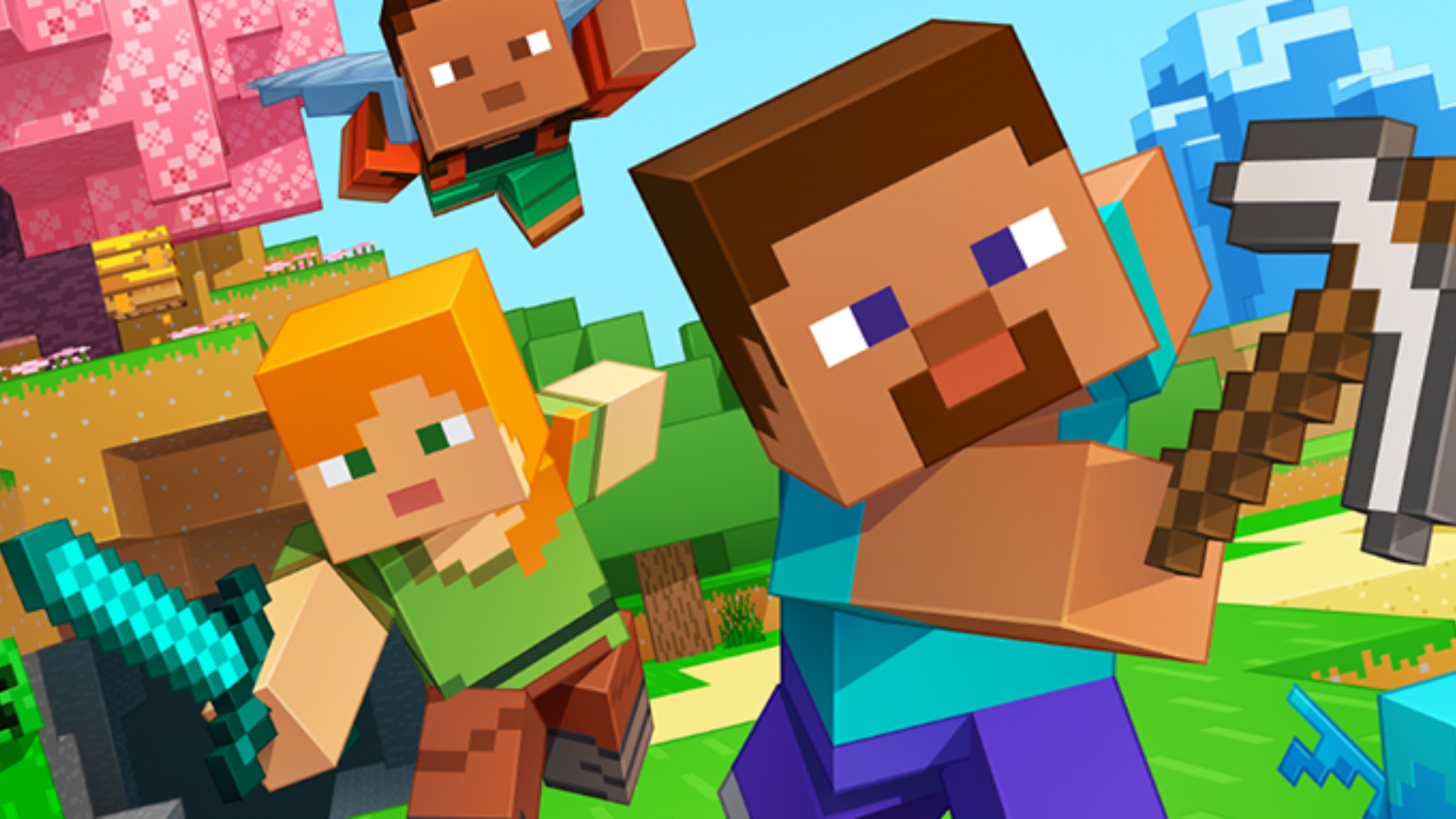
Minecraft and the Infinite Appeal of Building Your Own World
Introduction to Minecraft Minecraft continues inspiring millions through creativity, exploration, survival gameplay, and limitless freedom inside one of gaming’s most imaginative digital worlds. There’s something strangely emotional about placing the first block in Minecraft. No dramatic cinematic. No loud introduction. No complex tutorial explaining exactly what to do next. Just silence, open land, distant mountains, moving clouds, and a world waiting patiently for your imagination to shape it. For many players across the United States, Minecraft wasn’t simply another game they played for a few weeks before moving on. It became a space they returned to repeatedly throughout different stages of life. Some remember building wooden shelters before nightfall for the first time. Others remember exploring caves with friends late at night. Some remember creating entire cities block by block over months of dedication. And that’s the fascinating thing about Minecraft. Everyone experiences it differently. That flexibility is exactly why it remains one of the most influential games ever created. Years after release, Minecraft still dominates gaming conversations, educational discussions, streaming culture, and creative communities worldwide — not because it constantly forces excitement, but because it quietly gives players something increasingly rare in modern entertainment: Freedom to imagine. Deep Analysis: Why Minecraft Became More Than Just a Game At first glance, Minecraft looks deceptively simple. Blocky graphics. Minimal storytelling. Basic mechanics. Yet beneath that simplicity exists one of the deepest player-driven experiences in gaming history. Minecraft succeeds because it transforms players from consumers into creators. Most games ask players to complete experiences designed by developers. Minecraft asks something entirely different: “What kind of experience do you want to create yourself?” That single shift changes everything. Instead of following rigid objectives constantly, players create personal goals: building homes, surviving difficult nights, exploring hidden biomes, constructing giant cities, designing farms, recreating real-world landmarks, or simply wandering without urgency. This freedom produces emotional ownership. And emotional ownership creates long-term attachment. Players don’t merely remember Minecraft worlds. They remember their Minecraft worlds. That distinction is incredibly important psychologically. According to engagement studies in interactive entertainment, player-generated creativity strongly increases emotional investment and long-term retention [Source: Newzoo, 2025]. Minecraft demonstrates this principle better than almost any game ever released. Minecraft and the Psychology of Creativity One reason Minecraft resonates across generations is because it encourages creative thinking without pressure. Many modern games reward efficiency. Minecraft rewards imagination. There’s no single correct way to build a house. No mandatory strategy for exploration. No universal definition of success. That openness makes the experience feel deeply personal. For children, Minecraft often becomes a playground for experimentation. For adults, it can feel surprisingly therapeutic. Building slowly, organizing resources, shaping landscapes, and watching ideas materialize block by block creates a calming sense of progression. In many ways, Minecraft resembles digital architecture mixed with survival storytelling. Players are constantly solving problems creatively: How should this structure look? Where should resources be gathered? How can this environment become safer? What happens beyond the next mountain? These small decisions quietly stimulate imagination continuously. And because the game rarely punishes creativity, players feel encouraged to experiment more freely. Practical Applications and Useful Minecraft Strategies Despite its relaxing appearance, Minecraft contains surprisingly deep survival systems. New players often underestimate how important planning becomes during early gameplay. The first in-game night teaches an important lesson quickly: preparation matters. Experienced players typically prioritize: shelter construction, food collection, resource management, tool progression, and environmental awareness. But beyond survival mechanics, Minecraft also rewards patience. Unlike fast-paced competitive games, Minecraft rarely demands constant urgency. Some of the most rewarding moments come from long-term projects completed gradually over time. A massive castle built over weeks often feels more satisfying than instant rewards found in traditional games. This slower pacing creates emotional durability. Players become attached not only to outcomes, but to the process itself. That’s part of what makes Minecraft emotionally memorable years later. Storytelling Through Exploration and Discovery Minecraft’s storytelling style is unique because much of it emerges naturally rather than being explicitly written. The game world constantly creates small narratives: getting lost far from home, surviving dangerous caves, discovering hidden villages, escaping enemies with minimal health, or accidentally destroying hours of work. These moments become personal stories players retell repeatedly. Unlike heavily cinematic games, Minecraft allows emotion to emerge organically. That creates authenticity. One player may remember surviving their first thunderstorm inside a tiny dirt shelter. Another remembers traveling across oceans searching for rare biomes. Someone else remembers building with siblings during childhood summers. The game quietly transforms ordinary gameplay into emotional memory. That emotional personalization explains why Minecraft communities remain so strong globally. People don’t just discuss mechanics. They discuss experiences. Source: Why Sandbox Games Inspire Long-Term Creativity The Psychology Behind Open-Ended Gaming Worlds Player Creativity and Emotional Retention in Gaming How Minecraft Influenced Modern Game Design Digital Creativity and Virtual World Exploration Minecraft also became one of the most influential games in online content creation culture. Streaming platforms, video creators, and online communities embraced the game because it naturally generates endless variation. No two worlds feel identical. No two player journeys unfold exactly the same way. That unpredictability keeps audiences engaged for years. Unlike linear games that become repetitive after completion, Minecraft constantly reinvents itself through player imagination. Expert Insights and Common Mistakes New Players Make One of the most common beginner mistakes in Minecraft is focusing entirely on aesthetics too early. New players often spend excessive time building elaborate structures before establishing reliable survival systems. Experienced players usually prioritize: sustainable food sources, storage organization, defensive preparation, and efficient resource gathering first. Another mistake involves exploring recklessly. Minecraft rewards curiosity, but it also quietly punishes poor preparation. Getting lost without coordinates, entering caves without sufficient supplies, or underestimating environmental dangers often leads to frustrating setbacks. Veteran players understand the importance of pacing. Minecraft is not designed to be rushed. Trying to accelerate progression too aggressively often reduces the sense of wonder that makes the experience meaningful in the first place. The Advanced Perspective: Minecraft as a Digital Creative Platform Over time, Minecraft evolved far beyond gaming. It became a creative platform. Players now use Minecraft for: architecture projects, educational environments, collaborative storytelling, virtual events, coding experiments, and social interaction. This transformation reflects a much larger shift happening across digital culture. Games are no longer only entertainment products. Increasingly, they function as creative ecosystems. Minecraft became especially influential because its systems encourage participation rather than passive consumption. Players actively shape the world instead of simply moving through it. That sense of agency is powerful. And in an era where many digital experiences feel overly controlled or algorithmically guided, Minecraft’s openness feels refreshing. Trends, Data, and the Current State of Minecraft Despite being released years ago, Minecraft continues maintaining enormous global relevance. Industry reports consistently show strong player engagement, especially among younger audiences and creative gaming communities [Source: Statista, 2025]. The game’s longevity comes largely from adaptability. Minecraft survives trends because it doesn’t rely entirely on trends. Its core appeal — creativity, exploration, survival, and personal expression — remains timeless. Educational institutions have also increasingly explored sandbox games for collaborative learning environments and creative problem-solving exercises [Source: EdSurge, 2024]. Minecraft’s flexible structure supports these applications naturally. Meanwhile, streaming culture continues introducing new generations of players to the game every year. Content creators constantly reinvent gameplay through: survival challenges, custom worlds, multiplayer storytelling, speedrunning, roleplay servers, and massive collaborative builds. This endless reinvention keeps the ecosystem alive. Comparing Minecraft to Other Sandbox and Survival Games Many survival games emphasize difficulty. Others emphasize realism. Some prioritize combat. Minecraft balances these elements differently. Its greatest strength is accessibility. A child can enjoy simple building mechanics immediately. An experienced player can spend years mastering advanced systems like: automation, engineering, large-scale construction, or technical survival strategies. Very few games successfully support both casual creativity and deep complexity simultaneously. Minecraft also differs from many modern games because it encourages slower emotional pacing. There’s room for silence. Room for wandering. Room for experimentation without constant pressure. That slower rhythm creates a unique emotional atmosphere rarely replicated elsewhere. Reference: The Evolution of Creative Sandbox Games How Virtual Worlds Influence Creativity and Learning Why Open-Ended Games Build Stronger Communities Gaming, Imagination, and Emotional Development The Future of User-Generated Digital Experiences Another major distinction involves emotional tone. Some games create excitement primarily through competition or danger. Minecraft often creates emotion through discovery. The first time a player finds a hidden underground cave glowing with rare resources can feel strangely magical. So can watching sunrise appear over a landscape they spent weeks building themselves. These quieter emotional moments are part of the game’s lasting power. Common Concerns and Misunderstandings Around Minecraft Some critics initially dismissed Minecraft because of its visual simplicity. But that simplicity became one of its greatest strengths. The minimalist design encourages imagination instead of limiting it through excessive realism. Another misconception is that Minecraft lacks structure or meaningful progression. In reality, the game contains layered systems involving survival mechanics, exploration, crafting, resource management, and increasingly advanced player goals. The freedom simply allows players to approach progression differently. Some pursue technical mastery. Others prioritize artistic creativity. Some focus entirely on exploration or multiplayer experiences. That flexibility explains why the game appeals across age groups so effectively. Final Thoughts and What Comes Next Minecraft remains one of the world’s most influential games because it understands something deeply human: People don’t just want entertainment. They want the ability to create. To explore. To shape something personal. To leave marks on worlds that feel meaningful. Minecraft provides that experience in one of the purest forms modern gaming has ever seen. Its worlds feel endless not only because of their size, but because of their possibilities. And perhaps that’s why so many players continue returning year after year. Not simply to survive. But to imagine something new again. References Newzoo. (2025). Creative Sandbox Gaming and Player Retention Report. Statista. (2025). Global Sandbox Game Engagement Statistics. Psychology Today. (2024). Creativity, Exploration, and Emotional Development in Gaming. EdSurge. (2024). Interactive Learning Through Sandbox Game Environments. GamesIndustry.biz. (2025). The Long-Term Influence of Minecraft on Modern Game Design.

How to Survive and Dominate Roblox: 99 Nights in the Wild West Before the Wilderness Breaks You
Introduction to Roblox: 99 Nights in the Wild West Roblox and 99 Nights in the Wild West combine survival tension, exploration, strategy, and unpredictable wilderness storytelling inside a dangerous frontier world. There’s a certain type of game that doesn’t immediately overwhelm players with explosions or nonstop action. Instead, it slowly builds tension. You begin with limited supplies. Weak equipment. Minimal protection. A massive environment that feels beautiful during daylight — and terrifying once darkness arrives. That’s the feeling many players experience during their first hours inside 99 Nights in the Wild West. At first, the game feels manageable. You gather resources. Explore unfamiliar land. Build small defenses. Hunt for supplies. But then the nights become longer. Enemies become more aggressive. Resources feel scarce. And suddenly survival no longer feels guaranteed. That shift is exactly what makes the experience so compelling. 99 Nights in the Wild West succeeds because it transforms ordinary survival mechanics into emotional storytelling. Every decision matters more over time. Every mistake feels heavier. Every successful night feels earned. And in today’s gaming landscape — where many experiences prioritize instant gratification — that slower, pressure-driven design feels surprisingly refreshing. Deep Analysis: Why 99 Nights in the Wild West Feels So Immersive Most survival games rely on predictable loops: gather resources, build shelter, repeat. But 99 Nights in the Wild West creates something more emotionally layered. The game constantly balances freedom with vulnerability. Players are never completely safe. Even experienced survivors understand that one poorly timed decision can quickly escalate into disaster. This vulnerability creates emotional investment. Because when survival feels uncertain, players become more attached to progress. Simple moments suddenly gain meaning: finding food before nightfall, hearing danger nearby, defending limited supplies, or surviving an attack with almost no health remaining. These situations generate natural tension without requiring cinematic storytelling. And tension is one of the most powerful tools in game design. According to player retention studies, survival-focused multiplayer games maintain strong engagement because uncertainty creates emotional intensity that scripted experiences often cannot replicate [Source: Newzoo, 2025]. 99 Nights in the Wild West benefits heavily from this principle. The game world feels unpredictable enough that players remain mentally engaged constantly. The Emotional Psychology of Survival Gameplay One reason survival games resonate so deeply is because they simplify human instincts into gameplay systems. Shelter. Resources. Safety. Preparation. These concepts feel naturally understandable even inside fictional environments. 99 Nights in the Wild West uses these instincts effectively through environmental pressure. During daytime, players often feel optimistic. There’s time to gather materials. Explore distant areas. Prepare defenses. But nighttime changes everything emotionally. Darkness transforms familiar environments into threats. Limited visibility increases tension. Supplies suddenly feel more valuable. Silence becomes unsettling. This emotional contrast keeps gameplay psychologically engaging. The game teaches players an important survival principle: comfort is temporary. And because players never feel fully secure, progression remains meaningful. Practical Survival Strategies and Gameplay Tips One of the biggest beginner mistakes is underestimating preparation. New players often spend too much time exploring early without securing stable resources first. Experienced survivors usually prioritize: food sustainability, defensive positioning, storage organization, and nighttime planning. In survival-focused environments, consistency matters more than speed. Another critical mistake involves greed. Many players push exploration too aggressively while carrying valuable resources. This often leads to unnecessary losses that slow progression significantly. Veteran players understand pacing. Sometimes retreating safely is smarter than risking everything for short-term rewards. Mobility also becomes increasingly important later in the game. Efficient movement: conserves resources, reduces vulnerability, and improves reaction time during dangerous encounters. Small mechanical habits eventually create enormous survival advantages. Storytelling Through Fear, Isolation, and Persistence Unlike heavily scripted games, 99 Nights in the Wild West creates emotional stories naturally through player experience. A player narrowly survives a nighttime attack with almost no supplies left. Another becomes stranded far from camp during a storm. Someone else loses hours of progress because of one reckless decision. These moments feel memorable because they emerge organically. The wilderness itself becomes part of the storytelling. Harsh environments create emotional atmosphere without requiring dialogue or cutscenes constantly. That’s one reason survival games often produce stronger player memories than purely action-focused experiences. The emotions feel personal. Players remember not just what happened — but how vulnerable they felt while it happened. Source: Why Survival Games Create Strong Emotional Engagement The Psychology of Fear and Tension in Gaming How Sandbox Survival Games Retain Players Longer The Rise of Emergent Storytelling in Multiplayer Games Gaming Communities and Shared Survival Experiences Another major reason the game continues growing is its multiplayer dynamic. Survival experiences become significantly more emotional when cooperation and trust enter the equation. Players form alliances. Share resources. Defend camps together. Or sometimes betray each other unexpectedly. These social dynamics create stories developers could never fully script manually. And unpredictability keeps communities engaged long-term. Expert Insights and Common Mistakes Players Make One recurring mistake among inexperienced players is focusing entirely on offense. Weapons matter, but survival usually depends more heavily on preparation and positioning. Experienced players often invest heavily in: resource efficiency, environmental awareness, escape planning, and defensive organization. Another common issue is poor risk management. Survival games punish emotional decision-making harshly. Panicking during attacks or overcommitting during exploration often creates avoidable losses. Veteran players stay calm because they understand something important: most survival failures begin long before the actual danger appears. They begin during preparation. A third mistake involves ignoring teamwork potential. Even players who prefer solo exploration benefit enormously from temporary alliances, shared knowledge, and coordinated defense systems. The wilderness becomes far less forgiving in later stages without strategic cooperation. The Advanced Perspective: Why the Game Feels So Addictive 99 Nights in the Wild West creates addictive engagement loops through emotional uncertainty. Players constantly feel suspended between progress and danger. That balance matters psychologically. If survival becomes too easy, tension disappears. If difficulty becomes overwhelming, frustration replaces immersion. The game succeeds because it maintains instability carefully. Players never fully relax. That lingering uncertainty creates anticipation continuously: Will supplies last? Is the camp secure enough? What happens after the next night? How dangerous will exploration become farther away? Anticipation is emotionally powerful because it keeps the brain engaged between gameplay moments. The game also benefits from long-term progression psychology. Survival feels more meaningful when players know it can still be lost. That risk increases emotional attachment dramatically. Trends, Data, and the Rise of Survival Experiences on Roblox The increasing popularity of survival-focused experiences reflects larger industry trends. Modern players increasingly seek: emergent storytelling, long-term progression, social interaction, and emotionally dynamic gameplay. Roblox itself has evolved beyond simple casual entertainment into a platform supporting surprisingly complex multiplayer ecosystems. According to gaming analytics reports, survival and sandbox genres continue showing strong engagement among North American audiences because they encourage replayability and player-generated experiences [Source: Statista, 2025]. Games like 99 Nights in the Wild West thrive because no two sessions unfold exactly the same way. That variability creates long-term freshness. Streaming platforms have also amplified the popularity of survival gameplay enormously. Viewers enjoy unpredictability. Unexpected encounters. High-risk situations. Last-second escapes. These moments create natural entertainment value without requiring scripted drama. Comparing 99 Nights in the Wild West to Other Survival Games Many survival games focus heavily on realism. Others emphasize horror. Some prioritize crafting complexity. 99 Nights in the Wild West stands out because of atmosphere. Its western frontier setting creates a slower emotional rhythm compared to traditional survival experiences. The environment feels isolated rather than purely hostile. Danger builds gradually instead of constantly overwhelming players. This pacing creates stronger suspense. Another difference involves accessibility. Some survival games overwhelm beginners with complicated systems immediately. 99 Nights in the Wild West introduces mechanics more gradually, allowing players to learn through experience naturally. That balance helps broaden appeal while still preserving long-term depth. The game also benefits from social unpredictability. Human interaction often becomes just as dangerous — or valuable — as environmental threats. That social tension creates memorable gameplay constantly. Reference: The Future of Multiplayer Survival Games Why Uncertainty Increases Emotional Engagement in Gaming Streaming Culture and the Rise of Survival Content How Emergent Multiplayer Systems Create Replayability Community-Driven Experiences in Modern Online Gaming Another important distinction is emotional pacing. Many action-heavy games rely on constant stimulation. 99 Nights in the Wild West often creates stronger emotional moments through silence: distant sounds in darkness, empty landscapes, fading campfires, limited supplies, and uncertainty about what might happen next. These quieter moments create psychological immersion that pure action games sometimes struggle to achieve. Common Concerns and Misunderstandings Around the Game Some players initially assume the game revolves purely around grinding resources. But survival progression only represents part of the experience. The real emotional core comes from adaptation. Every session forces players to adjust strategies based on changing conditions, resource limitations, and environmental threats. Another misconception is that solo play is impossible. While teamwork certainly helps, many experienced players enjoy the heightened tension and immersion that solo survival creates. The game also gets misunderstood as “simple” because of its visual style. In reality, emotional complexity matters far more than graphical realism. Strong survival games succeed through atmosphere, pacing, and player-driven storytelling — not just visuals. Final Thoughts and What Comes Next 99 Nights in the Wild West succeeds because it understands something many survival games overlook: Fear alone is not enough. Players also need hope. Progress. Discovery. Moments of calm between danger. That emotional balance transforms ordinary survival mechanics into meaningful experiences players remember long after logging off. The wilderness feels dangerous. But it also feels alive. And perhaps that’s why so many players continue returning night after night. Not simply to survive. But to prove they can adapt to a world that never fully stops testing them. References Newzoo. (2025). Survival Gaming Engagement and Retention Report. Statista. (2025). North American Sandbox and Survival Gaming Trends. Psychology Today. (2024). Fear, Tension, and Emotional Investment in Interactive Media. GameAnalytics. (2025). Player Retention Patterns in Multiplayer Survival Experiences. GamesIndustry.biz. (2025). The Evolution of Emergent Survival Gameplay.
Roblox and the Hidden Art of Theme Interpretation: How Smart Creativity Wins More Than Expensive Outfits
Introduction to Roblox Roblox rewards creativity, self-expression, social interaction, and fast decision-making through player-driven experiences built around imagination and adaptability. The first time many players join a fashion-themed Roblox experience, they assume success is simple. Choose expensive accessories. Wear the brightest colors. Follow popular trends. Look dramatic. But after a few rounds, something surprising happens. The players who consistently win are often not the ones wearing the most expensive outfits. They are the players who understand the theme. That realization changes everything. Suddenly, fashion becomes strategy. Creativity becomes communication. And interpretation becomes more important than appearance alone. For many players across the United States, Roblox experiences centered around style and roleplay evolve into something much deeper than cosmetic competition. They become exercises in observation, storytelling, emotional awareness, and social psychology. Because in competitive fashion-based Roblox games, players are not simply dressing avatars. They are translating ideas into visual language under pressure. And the players who master that skill often stand out immediately. Deep Analysis: Why Theme Interpretation Matters More Than Raw Cosmetics One of the biggest misconceptions in fashion-focused Roblox experiences is believing victory depends mostly on expensive items or rare cosmetics. In reality, interpretation often matters far more. Two players may use completely different outfits while following the same theme successfully. Why? Because strong interpretation communicates an idea clearly. That clarity is psychologically powerful. Players naturally respond to outfits that: tell a recognizable story, match emotional tone, feel visually coherent, and demonstrate creativity without becoming confusing. This creates an interesting competitive environment where perception matters just as much as aesthetics. According to social gaming behavior studies, player voting systems frequently reward emotional readability and originality over pure visual complexity [Source: Newzoo, 2025]. This explains why simpler outfits sometimes outperform overloaded designs. Strong concepts create stronger emotional reactions. And emotional reactions influence voting behavior heavily. The Psychology Behind Winning Fashion Rounds Fashion-themed Roblox games often resemble visual storytelling more than traditional competition. Players receive limited time to: understand a prompt, develop a concept, communicate personality, and create visual consistency. That process rewards creativity under pressure. Experienced players learn that themes usually contain: emotional tone, cultural references, visual expectations, and social interpretation layers. For example: a “royal” theme may reward elegance, while a “chaotic” theme rewards bold unpredictability. The strongest competitors rarely copy outfits directly. Instead, they interpret themes personally while remaining recognizable enough for voters to understand quickly. This balance between originality and clarity becomes extremely important. Too generic feels forgettable. Too confusing loses emotional connection. Great interpretation exists somewhere in the middle. Practical Strategies to Improve Theme Interpretation One of the best ways to improve quickly is learning to identify the emotional core of a theme first. Instead of asking: “What clothes fit this category?” Experienced players often ask: “What feeling should this outfit create?” That shift changes decision-making dramatically. Another important strategy involves silhouette control. Strong outfits usually maintain visual balance: clear color harmony, consistent style direction, and focused accessory choices. Over-accessorizing is one of the most common beginner mistakes. Players often add too many elements hoping complexity creates quality. Instead, excessive visual noise usually weakens the concept. Time management also matters enormously. Experienced players mentally organize priorities: outfit foundation first, key accessories second, finishing details last. Panic styling often creates inconsistent results. Storytelling Through Fashion and Character Creation One reason fashion-centered Roblox experiences remain emotionally engaging is because players are not simply building outfits. They are building characters. Every successful design quietly suggests: personality, mood, background, confidence, or emotional energy. That narrative element transforms cosmetic selection into storytelling. Players remember: the funniest interpretations, unexpected creative concepts, perfectly executed themes, and emotional reactions from voting rounds. These moments feel memorable because creativity becomes social communication. And unlike static character customization systems, live theme competitions create immediate emotional feedback. That instant reaction loop keeps gameplay highly engaging. Source: Why Social Creativity Games Create Stronger Emotional Engagement The Psychology of Visual Identity and Self-Expression in Gaming How Fashion-Based Social Games Continue Growing Online The Rise of Creative Social Experiences in Multiplayer Platforms Why Emergent Creativity Keeps Multiplayer Communities Active Another major reason Roblox fashion experiences remain popular is because trends evolve constantly. Community creativity continuously changes: aesthetic preferences, humor styles, interpretation trends, and visual culture. This constant evolution prevents stagnation. Expert Insights and Common Mistakes Players Make One major mistake beginners make is misunderstanding themes literally instead of emotionally. Experienced players know themes often reward atmosphere and interpretation more than strict realism. Another common issue involves following trends too aggressively. Popular outfit combinations may initially seem effective, but overused ideas quickly become visually forgettable. Veteran players usually balance familiarity with individuality. A third mistake is ignoring presentation confidence. Even inside digital fashion games, confidence affects perception. Players who: move naturally, present clearly, and commit fully to concepts often receive stronger reactions than players who appear uncertain or inconsistent. Confidence strengthens visual storytelling. The Advanced Perspective: Roblox Fashion Games as Social Psychology Simulators At a deeper level, theme interpretation games function almost like simplified social psychology experiments. Players constantly evaluate: visual communication, emotional signals, cultural references, creativity, and originality. Voting systems amplify this dynamic. Participants quickly learn how audiences react emotionally to: color choices, silhouettes, humor, elegance, exaggeration, or nostalgia. This creates surprisingly sophisticated creative learning. Players begin understanding not only how to design outfits — but how to influence perception itself. That emotional awareness becomes part of gameplay mastery. Trends, Data, and the Growth of Social Creativity Games The popularity of Roblox fashion experiences reflects broader gaming trends emphasizing: personalization, social interaction, self-expression, and creator-driven communities. According to industry analytics, social creativity games continue expanding rapidly among younger audiences because they combine competition with identity expression effectively [Source: Statista, 2025]. Streaming and short-form content platforms accelerated this growth dramatically. Viewers enjoy: unexpected interpretations, dramatic voting moments, creative transformations, and humorous fashion disasters. These experiences translate naturally into highly shareable entertainment. Because no two rounds unfold identically, replayability remains extremely high. Comparing Fashion-Themed Roblox Games to Traditional Competitive Games Most competitive games reward mechanical precision directly. Fashion-focused Roblox experiences reward interpretation. That distinction changes player psychology completely. Instead of: reaction speed, aim, or memorization, players rely on: creativity, emotional understanding, adaptability, and presentation. Another important difference involves subjectivity. There is rarely one perfect answer to a theme. This ambiguity encourages experimentation because players constantly search for unique approaches that still feel emotionally recognizable. The result becomes more collaborative and expressive than traditional competitive systems. Reference: The Future of Social Creativity Gaming Platforms How Visual Self-Expression Influences Player Retention Streaming Culture and the Growth of Fashion-Based Games Why Social Voting Systems Create Emotional Investment Identity, Creativity, and Emotional Communication in Gaming Another fascinating distinction involves emotional unpredictability. Even experienced players cannot fully predict: audience preferences, interpretation reactions, or voting outcomes consistently. That uncertainty keeps every round psychologically engaging. Common Concerns and Misunderstandings Around Roblox Fashion Games Some players initially assume fashion-based games lack depth because they appear visually casual. In reality, experienced competitors often develop strong instincts around: visual communication, timing, emotional interpretation, and audience psychology. Another misconception is that expensive cosmetic items guarantee success. While customization options certainly help, creativity and thematic clarity often matter far more. There’s also concern around comparison culture. Competitive creativity can sometimes make players overly focused on validation or rankings. Veteran players usually maintain healthier long-term enjoyment by treating rounds as opportunities for experimentation rather than personal judgment. The most memorable moments often come from unexpected creativity — not perfect scores. Final Thoughts and What Comes Next Roblox continues evolving because it understands something many games overlook: Creativity becomes far more engaging when it is shared socially. Fashion-based Roblox experiences transform simple outfit selection into: storytelling, emotional communication, interpretation, and performance under pressure. Every theme becomes a creative challenge. Every round becomes a social experiment. Every outfit becomes a visual conversation between players. That’s why these experiences remain emotionally addictive long after the novelty fades. Because eventually, success stops depending on owning the best items. It depends on understanding people. And perhaps that’s the most fascinating part of all. References Newzoo. (2025). Social Creativity Gaming and Player Engagement Trends. Statista. (2025). Fashion and Social Gaming Market Analysis in North America. Psychology Today. (2024). Visual Identity, Creativity, and Social Behavior in Online Spaces. GameAnalytics. (2025). Player Retention Patterns in Social Multiplayer Experiences. GamesIndustry.biz. (2025). The Evolution of User-Driven Creative Competition Games.
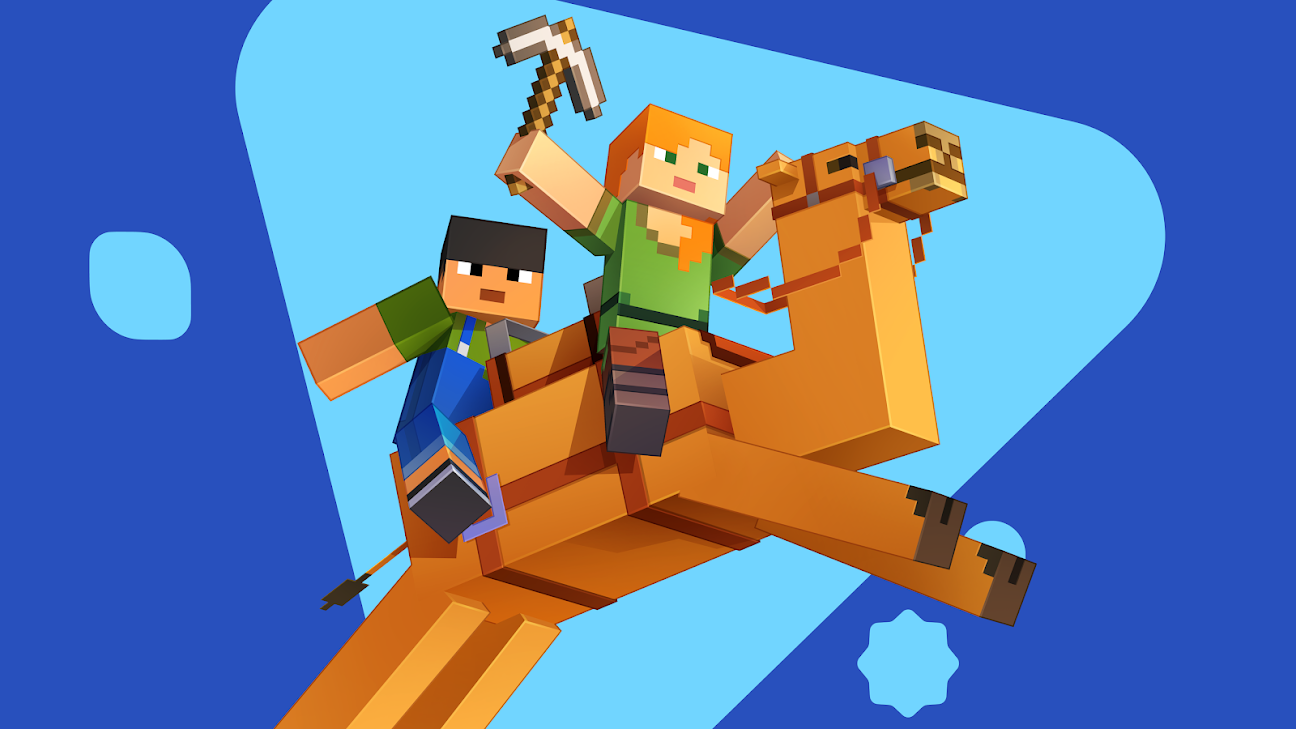
Minecraft and the Hidden Architecture of Creativity: A Deep Exploration of Survival, Connection, and Endless Imagination
Introduction to Minecraft Minecraft transforms creativity, survival, exploration, and emotional storytelling into a limitless digital world shaped entirely by player imagination and persistence. At first glance, Minecraft looks simple. Blocks. Trees. Tools. Monsters. Shelters. But after enough hours inside its worlds, players realize something much deeper is happening. Minecraft is not really about blocks. It is about connection. Connection between: creativity and survival, planning and improvisation, loneliness and collaboration, destruction and rebuilding, risk and discovery. Every structure becomes a reflection of thought. Every world slowly evolves into personal history. And unlike many modern games that constantly direct players toward scripted objectives, Minecraft offers something increasingly rare: Freedom without pressure. That freedom is exactly why millions of players across the United States continue returning to Minecraft year after year. Not because the game demands attention. But because it quietly becomes a place players emotionally belong to. Deep Analysis: Why Minecraft Feels Emotionally Different from Most Games Many games provide entertainment. Minecraft provides ownership. That distinction changes player psychology completely. In most games, progression is temporary and externally controlled. Players complete missions designed by developers. Minecraft works differently. The player creates meaning themselves. A small wooden house built during the first night might remain emotionally important hundreds of hours later because it represents survival, uncertainty, and beginnings. This emotional continuity creates unusually strong attachment. According to player engagement research, sandbox games with player-generated goals create deeper long-term emotional investment because players associate progression with personal identity and effort [Source: Newzoo, 2025]. Minecraft exemplifies this perfectly. Nothing feels rented. Everything feels earned. Even mistakes become emotionally valuable. Players remember: getting lost during exploration, surviving dangerous caves, rebuilding after disasters, or accidentally destroying projects they spent hours creating. These moments become part of the world’s history itself. The Psychology Behind Minecraft’s Endless Creativity One fascinating aspect of Minecraft is how naturally it encourages experimentation. There is rarely one correct solution. Players constantly improvise: building styles, survival strategies, transportation systems, resource management, automation, and exploration routes. This flexibility strengthens creativity because failure carries relatively low emotional punishment compared to many competitive games. Players feel safe experimenting. That psychological safety encourages innovation. Minecraft also rewards curiosity exceptionally well. A player exploring randomly may suddenly discover: hidden caves, villages, rare biomes, ocean ruins, or completely unexpected landscapes. These discoveries trigger emotional excitement because the world feels alive with possibility. Unlike heavily scripted games, Minecraft allows players to create personal adventure pacing organically. Practical Minecraft Strategies for Long-Term Survival and Creativity One of the biggest beginner mistakes is focusing only on short-term survival. Experienced players understand sustainable systems matter far more: renewable food, organized storage, efficient mining routes, and defensive infrastructure. Preparation reduces chaos dramatically later. Another common issue involves building too quickly without planning scale. Veteran players often start with functional systems first: farms, transportation, lighting, and material organization before attempting ambitious megaprojects. This foundation prevents burnout. Resource balance also becomes increasingly important over time. Experienced players avoid exhausting rare materials unnecessarily early because flexibility matters enormously later in progression. Patience consistently outperforms impulsiveness inside Minecraft. Storytelling Through Construction and Exploration One reason Minecraft creates unforgettable memories is because players slowly transform empty landscapes into emotional landmarks. A mountain becomes a fortress. A cave becomes a mining empire. A shoreline becomes a harbor city. These transformations feel deeply personal because players witness every stage of development themselves. Minecraft worlds evolve like diaries. Each structure reflects: a decision, a challenge, an experiment, or a moment of inspiration. Even imperfect builds often become emotionally important because they represent growth. Players frequently remember older worlds not because they were visually flawless — but because they contained history. This emotional layering gives Minecraft extraordinary longevity. Source: Why Sandbox Games Create Stronger Emotional Attachment The Psychology of Creativity and Exploration in Gaming How Open-Ended Survival Games Changed Modern Design The Evolution of Emergent Storytelling in Sandbox Worlds Why Creative Survival Games Remain Emotionally Powerful Another major reason Minecraft remains culturally dominant is because the game evolves differently for every player. Some focus on architecture. Others pursue automation. Some become explorers. Others create social communities. There is no universal definition of success. That freedom keeps the experience emotionally fresh. Expert Insights and Common Mistakes Players Make One major beginner mistake is trying to copy advanced builds immediately. Experienced players understand skill develops gradually through experimentation and repetition. Large projects become manageable only after mastering smaller systems first. Another common issue involves ignoring infrastructure. Beautiful buildings eventually become frustrating if: storage remains disorganized, transportation feels inefficient, or resources become difficult to maintain. Veteran players prioritize systems supporting creativity long-term. A third mistake is excessive caution. Some players avoid exploration because they fear losing resources. Ironically, exploration often accelerates progression dramatically by exposing players to: rare materials, structures, villages, and better environments. Minecraft rewards curiosity consistently. The Advanced Perspective: Minecraft as a Digital Reflection of Human Creativity At a deeper level, Minecraft functions almost like a simulation of creative growth itself. Players rarely build masterpieces instantly. Instead, they: experiment, fail, redesign, improve, and adapt continuously. This mirrors real creative development surprisingly closely. Minecraft also encourages systems thinking. Strong worlds emerge when: farms support exploration, storage improves efficiency, transportation reduces friction, and automation supports expansion. Players gradually learn that creativity thrives best when supported by stable systems. This realization extends far beyond gaming psychologically. Minecraft quietly teaches patience, iteration, and long-term planning through play itself. Trends, Data, and the Future of Minecraft’s Influence Minecraft’s continued popularity reflects broader trends in digital entertainment emphasizing: personalization, creativity, exploration, and player-driven storytelling. According to gaming analytics research, sandbox ecosystems consistently maintain exceptionally strong retention because players emotionally identify with the worlds they build [Source: Statista, 2025]. Streaming culture amplified this effect dramatically. Viewers enjoy: survival challenges, large-scale building projects, hardcore worlds, roleplay servers, and emergent storytelling. No two Minecraft experiences unfold identically. That unpredictability keeps content endlessly renewable. Minecraft also remains educationally influential. Teachers, designers, architects, and creative communities continue using sandbox environments to encourage: collaboration, experimentation, and problem-solving. Few games maintain relevance across so many different audiences simultaneously. Comparing Minecraft to Other Survival and Sandbox Games Many survival games prioritize realism and punishment. Minecraft prioritizes possibility. That distinction changes emotional tone entirely. Instead of overwhelming players with constant pressure, Minecraft balances: tension, creativity, exploration, and relaxation naturally. Another major difference involves emotional pacing. Players can: fight monsters, build cities, explore caves, automate farms, or simply watch sunsets quietly. This flexibility prevents emotional exhaustion. Minecraft also differs because the game rarely imposes identity onto players. Players define themselves through: what they build, how they survive, and the goals they choose personally. That self-directed progression creates extraordinary long-term emotional investment. Reference: The Future of Creative Sandbox Gaming How Player Creativity Increases Long-Term Engagement Streaming Culture and the Rise of Sandbox Survival Games Why Open-Ended Worlds Create Stronger Emotional Memory Creativity, Identity, and Emotional Learning Through Games Another fascinating aspect of Minecraft is how silence contributes to immersion. Unlike many modern games overloaded with constant stimulation, Minecraft often allows quiet moments: distant ambient sounds, empty landscapes, soft music, and isolated exploration. These moments create emotional breathing room rarely found in modern design. Common Concerns and Misunderstandings Around Minecraft Some people initially assume Minecraft lacks depth because of its visual simplicity. In reality, experienced players know the game contains remarkably sophisticated systems involving: engineering, automation, architecture, survival planning, and resource management. Another misconception is that Minecraft becomes repetitive over time. Ironically, many players report the opposite. As experience grows, players unlock increasingly ambitious possibilities: advanced automation, massive construction, multiplayer economies, and highly creative world design. The game expands alongside imagination itself. There’s also concern around aimlessness. Some players initially struggle with the absence of rigid objectives. But that openness eventually becomes one of Minecraft’s greatest strengths. The game trusts players to create meaning themselves. Very few games do that successfully. Final Thoughts and What Comes Next Minecraft continues shaping gaming culture because it understands something profoundly important about human creativity: People become emotionally attached to worlds they help build themselves. Minecraft transforms simple systems into deeply personal experiences through: experimentation, survival, exploration, creativity, and emotional ownership. Every world begins empty. Every structure begins small. Every masterpiece begins uncertain. And yet over time, players slowly create places carrying memory, identity, and meaning far beyond simple gameplay systems. That transformation is why Minecraft still feels timeless. Not because the game tells players exactly what to do. But because it gives them enough freedom to discover who they become while building something entirely their own.

GTA VI and the Beginning of a New Era in Open-World Gaming
Introduction to GTA VI Grand Theft Auto VI represents a major evolution in immersive storytelling, open-world realism, player freedom, and next-generation gaming expectations worldwide. Some games arrive quietly and disappear within months. Others redefine entire genres. GTA VI already feels destined for the second category — and the remarkable part is that millions of players reached that conclusion long before the game officially arrives. That level of anticipation rarely happens by accident. For years, players across the United States and around the world have discussed every possible detail surrounding GTA VI: the setting, the map, the characters, the realism, the scale, the technology, and perhaps most importantly — the feeling players expect to experience once they finally enter its world. Because at its core, the excitement around GTA VI isn’t only about graphics or gameplay mechanics. It’s about possibility. The possibility of stepping into a living digital world that feels more immersive, reactive, emotional, and believable than anything players have experienced before. And in modern gaming, immersion has become one of the most valuable forms of entertainment. Deep Analysis: Why GTA VI Carries Unprecedented Expectations Every major gaming generation eventually produces one title that becomes larger than gaming itself. Not simply because of sales. Not because of marketing. But because audiences collectively project enormous emotional expectations onto it. Grand Theft Auto VI has reached that point. The reason is deeply connected to how previous open-world games changed player psychology over time. Years ago, open-world design mainly focused on scale. Large maps impressed players. Freedom felt revolutionary. But today, audiences expect more. Modern players want worlds that: react intelligently, evolve dynamically, feel socially believable, and create unscripted moments naturally. That’s where GTA VI enters the conversation. Players no longer expect merely a bigger city. They expect a world that behaves like a functioning ecosystem. This shift matters enormously. According to interactive entertainment reports, player immersion and environmental realism now influence engagement levels more heavily than graphical fidelity alone [Source: Newzoo, 2025]. In other words: players increasingly remember experiences rather than technical specifications. That’s why anticipation around GTA VI feels emotional instead of purely technical. People want to feel transported again. The Emotional Weight of Open-World Freedom One reason the GTA franchise became culturally iconic is because it mastered something few games achieve consistently: the illusion of unrestricted freedom. Even when players followed missions, the surrounding world still felt alive independently. You could ignore objectives entirely. Drive endlessly at night. Explore random neighborhoods. Cause chaos. Or simply exist quietly inside the environment. That freedom created emotional immersion. Players began forming personal memories instead of only completing designed content. GTA VI carries the burden of evolving that feeling further. Today’s audiences expect: smarter AI behavior, reactive environments, more believable social systems, dynamic weather, evolving city activity, and emergent interactions that feel unscripted. The challenge is no longer creating a large world. The challenge is creating a world players emotionally believe in. And that difference defines the future of open-world gaming. Practical Insights: What Players Truly Want From GTA VI Despite endless discussions about graphics and map size, many experienced players care more about immersion quality than raw scale. A world becomes memorable when small details feel authentic: pedestrians reacting naturally, traffic patterns changing dynamically, environments evolving over time, NPC conversations feeling contextual, and exploration rewarding curiosity. Modern audiences notice these details immediately. Interestingly, some of the strongest emotional moments in open-world games often happen outside major story missions. Players remember: unexpected encounters, quiet exploration, environmental discoveries, spontaneous chaos, and random moments that felt uniquely personal. That unpredictability creates emotional ownership. And emotional ownership dramatically increases long-term engagement. GTA VI enters an industry where players increasingly value worlds that generate personal stories rather than simply delivering scripted content. Storytelling Expectations in Modern Open-World Games Narrative expectations surrounding GTA VI have also evolved significantly. Players today want stories that feel emotionally grounded rather than purely cinematic. Flawed protagonists. Complicated motivations. Moral ambiguity. Human vulnerability. These qualities resonate far more strongly with modern audiences than perfectly heroic characters. Previous GTA titles often balanced: satire, crime drama, humor, social commentary, and emotional conflict simultaneously. Many players now expect GTA VI to deepen that balance even further. Especially in the United States, where storytelling-driven gaming experiences strongly influence mainstream gaming culture, audiences increasingly want narratives that feel socially believable rather than exaggerated purely for spectacle. That expectation creates a unique challenge: players want realism without losing entertainment value. Very few franchises attempt balancing both at this scale. Source: The Evolution of Open-World Game Design Expectations Why Immersive Worlds Create Stronger Emotional Engagement The Future of Sandbox Gaming Experiences How Open-World Games Changed Modern Entertainment Player Retention and Environmental Realism in Gaming One fascinating aspect of GTA VI’s anticipation cycle is how deeply online communities participate in shaping expectations collectively. Players analyze trailers frame by frame. Discuss environmental details obsessively. Debate mechanics, realism systems, and map theories. This community-driven speculation creates emotional investment long before release. At some point, anticipation itself becomes part of the entertainment experience. Expert Insights and Common Misunderstandings One common misunderstanding is assuming GTA VI must revolutionize every aspect of gaming simultaneously. That expectation is unrealistic for any game. Technological improvements matter, but meaningful innovation often comes from smaller systemic details: AI responsiveness, world interactivity, animation quality, pacing, and environmental immersion. Another mistake involves focusing entirely on graphical realism. Visual quality certainly matters. But players rarely remember games purely because textures looked impressive. They remember feelings: immersion, tension, unpredictability, discovery, and emotional attachment to the world itself. Experienced players increasingly understand that immersion is psychological, not purely visual. A believable world feels alive because systems interact naturally — not only because graphics appear realistic. The Advanced Perspective: GTA VI as a Cultural Benchmark At this stage, GTA VI functions less like a product and more like a cultural benchmark. Its release will likely influence: open-world design trends, streaming culture, multiplayer expectations, player immersion standards, and future AAA development priorities. Very few games carry this level of influence before launch. That influence exists because previous GTA titles reshaped player expectations historically. After earlier GTA releases, many open-world games began adopting: sandbox freedom, environmental interactivity, cinematic storytelling, and emergent gameplay systems. Now the industry watches again. Developers, players, streamers, and analysts all want to see what the next major leap in open-world immersion might look like. That collective curiosity explains why discussions around GTA VI feel unusually intense. Trends, Data, and the Current State of Open-World Gaming Gaming audiences have evolved dramatically over the past decade. Today’s players increasingly prioritize: immersion, personalization, exploration, social storytelling, and emotionally reactive environments. According to global gaming analytics reports, open-world titles continue dominating long-session engagement metrics because they encourage player-generated experiences rather than purely scripted progression [Source: Statista, 2025]. Streaming culture accelerated this trend even further. Viewers enjoy unpredictability: random encounters, AI reactions, unscripted chaos, social interactions, and emergent gameplay moments. Open-world games capable of producing endless unique situations maintain stronger long-term visibility online. That’s one reason GTA VI’s expectations became so massive. Players anticipate not just a game — but an ecosystem of shareable experiences. Comparing GTA VI Expectations to Other Open-World Titles Many open-world games emphasize scale. Others prioritize realism. Some focus heavily on storytelling. Players expect GTA VI to combine all three simultaneously. That combination is extraordinarily difficult. Some games create beautiful worlds that feel emotionally empty. Others deliver strong stories but limited freedom. Some provide chaos but lack immersion depth. The GTA franchise historically succeeded because it balanced: freedom, atmosphere, storytelling, humor, and unpredictability remarkably well. Another key difference involves cultural memory. Many players associate previous GTA experiences with specific periods of their lives: late-night exploration, multiplayer chaos with friends, discovering hidden mechanics, or simply losing hours inside a believable digital city. Those memories increase emotional expectations for GTA VI dramatically. Players are not only hoping for technical advancement. They are hoping to recreate feelings they remember emotionally. Reference: The Psychology of Anticipation in Entertainment Media How Sandbox Games Shape Long-Term Engagement Streaming Culture and Open-World Gaming Popularity The Rise of Community-Driven Gaming Speculation Future Trends in AAA Open-World Game Development Another important distinction involves emotional pacing. Modern audiences increasingly appreciate games that allow moments of stillness between action. Quiet exploration. Environmental atmosphere. Unexpected discoveries. These slower moments often create stronger immersion than nonstop stimulation. Players expect GTA VI to understand this emotional rhythm deeply. Common Concerns and Discussions Around GTA VI Some players worry expectations have become impossibly high. That concern is understandable. Years of speculation naturally create idealized visions inside people’s minds. No game can perfectly match every rumor, theory, or imagined feature simultaneously. Another discussion involves realism balance. Players want believable worlds — but they also want fun. Too much realism can reduce pacing and accessibility. Too little realism weakens immersion. Finding that balance may become one of GTA VI’s most important design challenges. There are also broader concerns about the future of open-world games generally. As worlds become larger and more detailed, some players worry developers may prioritize scale over meaningful interaction. This is why environmental depth matters more now than map size alone. Final Thoughts and What Comes Next Grand Theft Auto VI represents more than another sequel. It represents the next major test of what open-world gaming can emotionally become. Players no longer want worlds that simply look impressive. They want worlds that feel alive. Reactive. Unpredictable. Personal. That emotional expectation explains why anticipation surrounding GTA VI feels so unusually powerful. People are not merely waiting for another game release. They are waiting for a new experience capable of surprising them again in an industry where surprise has become increasingly rare. And perhaps that’s the most fascinating part of all. Long before players officially enter the world of GTA VI, millions have already imagined what it might feel like to live inside it. References Newzoo. (2025). Global Open-World Gaming Engagement Report. Statista. (2025). Open-World Gaming Market Trends in North America. Psychology Today. (2024). Immersion, Anticipation, and Emotional Investment in Gaming. GameAnalytics. (2025). Player Behavior in Sandbox and Open-World Games. GamesIndustry.biz. (2025). The Future of AAA Open-World Design.

Kuroko Basket: Showdown – The Ultimate Beginner-to-Advanced Guide to Dominating the Court and Mastering Competitive Play
Introduction to Kuroko Basket: Showdown Kuroko Basket: Showdown combines fast-paced basketball mechanics, anime-style abilities, strategic teamwork, and competitive intensity into a deeply rewarding sports gaming experience. The first thing most players notice in Kuroko Basket: Showdown is speed. Everything happens fast. Passes explode across the court. Defenders react instantly. Momentum shifts in seconds. One perfect play can completely transform the energy of an entire match. At first, the chaos feels overwhelming. New players often believe victory belongs to whoever has: the flashiest abilities, the strongest characters, or the fastest reflexes. But after enough matches, experienced players realize something more important: Basketball in Kuroko Basket: Showdown is fundamentally about control. Control over: positioning, timing, decision-making, spacing, and emotional momentum. That layered complexity is one reason Kuroko Basket: Showdown continues attracting highly competitive players across the United States. The game transforms anime-inspired sports action into something emotionally intense, strategic, and surprisingly psychological. And once players begin understanding those deeper systems, the game becomes difficult to put down. Deep Analysis: Why Kuroko Basket: Showdown Feels So Competitive Many sports games focus heavily on mechanics. Kuroko Basket: Showdown succeeds because it combines mechanics with emotional pacing. Every possession creates tension. Players constantly evaluate: passing lanes, defensive spacing, shot timing, stamina management, rotations, and offensive pressure. This continuous decision-making keeps gameplay mentally engaging. The game also creates emotional escalation naturally. A team trailing early can suddenly regain momentum through: coordinated defense, faster transitions, or a single perfectly timed steal. That unpredictability creates emotional investment. According to competitive gaming research, team-based games maintain stronger engagement when player decisions visibly influence momentum swings during matches [Source: Newzoo, 2025]. Kuroko Basket: Showdown captures this dynamic exceptionally well. No lead feels completely safe. No comeback feels impossible. That uncertainty keeps matches exciting from start to finish. The Psychology Behind Team Chemistry and Competitive Flow One fascinating aspect of Kuroko Basket: Showdown is how strongly teamwork shapes performance. Even highly skilled players struggle when team coordination collapses. Meanwhile, organized teams often outperform mechanically stronger opponents through: spacing, communication, passing discipline, and defensive structure. This creates emotional realism similar to actual basketball. The game also rewards role identity. Different players naturally gravitate toward: scoring, playmaking, defense, support positioning, or transition control. These specializations strengthen emotional attachment because players begin identifying personally with their preferred style of play. Over time, matches stop feeling random. They start feeling like strategic battles between competing systems. Practical Tips for Improving Faster One major beginner mistake is forcing offense constantly. Experienced players understand patience creates better scoring opportunities than reckless aggression. Strong teams move the ball efficiently instead of rushing difficult shots. Another common issue involves poor defensive positioning. New players often chase opponents impulsively, creating open lanes and broken formations. Veteran defenders focus on: spacing, anticipation, and controlled pressure instead. Movement efficiency also matters enormously. Elite players rarely waste motion. Every sprint, rotation, and defensive adjustment serves a purpose. This discipline creates consistency during high-pressure moments. Storytelling Through Rivalries, Pressure, and Clutch Moments One reason Kuroko Basket: Showdown creates memorable experiences is because every match naturally generates emotional narratives. Players remember: impossible buzzer-beaters, dramatic steals, perfect assists, defensive stands, and comeback victories. These moments feel meaningful because outcomes depend heavily on teamwork and composure under pressure. The game also creates long-term rivalries. Frequent players begin recognizing: elite scorers, defensive specialists, strategic playmakers, and aggressive opponents. Over time, community identity strengthens through shared competitive history. Victory feels satisfying not only because players win — but because they overcome recognizable challenges and opponents. Source: Why Team-Based Competitive Games Build Stronger Emotional Engagement The Psychology of Momentum and Confidence in Competitive Gaming How Anime Sports Games Changed Multiplayer Competition The Rise of Competitive Sports Experiences on Online Gaming Platforms Why Fast-Paced Multiplayer Games Create Long-Term Retention Another reason the game remains compelling is because improvement feels visible. Players gradually recognize: better positioning, smarter timing, cleaner passing, and stronger decision-making. That growth creates emotional satisfaction far beyond cosmetic progression alone. Expert Insights and Common Mistakes Players Make One major beginner mistake is relying too heavily on flashy abilities. Experienced players understand fundamentals consistently outperform desperation plays. Positioning and teamwork win more games than isolated highlights. Another common issue involves emotional impatience. Some players panic after mistakes and begin forcing low-percentage plays repeatedly. Veteran competitors stay composed. They understand momentum can shift quickly through disciplined defense and smart possessions. A third mistake involves ignoring stamina and pacing. Aggressive movement without control often creates: defensive gaps, poor recovery, and predictable offense. Elite players balance intensity with efficiency. The Advanced Perspective: Kuroko Basket: Showdown as a Study in Competitive Discipline At a deeper level, Kuroko Basket: Showdown functions almost like a simulation of competitive psychology. Players constantly balance: aggression, patience, teamwork, confidence, and adaptation. This emotional complexity elevates the game beyond simple arcade basketball. The strongest competitors learn how to control tempo psychologically. Fast teams create chaos. Calm teams create structure. Elite players understand when to: accelerate pressure, slow momentum, rotate defensively, or exploit emotional mistakes from opponents. This strategic pacing separates experienced teams from purely mechanical players. Trends, Data, and the Growth of Anime Basketball Games Anime-inspired sports games continue expanding because they combine: emotional storytelling, teamwork, progression, and competitive tension effectively. According to gaming analytics research, multiplayer sports titles emphasizing coordinated teamwork maintain especially strong retention because players emotionally connect to shared victories and rivalries [Source: Statista, 2025]. Streaming culture accelerated this trend dramatically. Viewers enjoy: dramatic clutch plays, coordinated attacks, defensive recoveries, and high-level teamwork. Kuroko Basket: Showdown naturally creates cinematic gameplay moments highly suitable for competitive content creation. That visibility strengthens community engagement continuously. Comparing Kuroko Basket: Showdown to Other Competitive Sports Games Many basketball games prioritize realism heavily. Kuroko Basket: Showdown focuses more on emotional energy and pacing. This creates faster, more dramatic matches where momentum swings feel amplified constantly. Another important distinction involves teamwork dependence. Individual talent matters. But coordinated systems usually determine long-term success. This balance prevents gameplay from becoming overly dependent on isolated star players alone. The anime-inspired style also enhances emotional intensity. Exaggerated movement, reactions, and abilities transform ordinary plays into high-pressure moments carrying cinematic impact. That emotional amplification keeps matches engaging over long sessions. Reference: The Future of Competitive Anime Sports Gaming How Team Coordination Improves Long-Term Competitive Retention Streaming Culture and the Rise of Multiplayer Sports Games Why Momentum Shapes Emotional Competitive Experiences Pressure, Adaptation, and Performance in Competitive Gaming Another fascinating aspect of Kuroko Basket: Showdown is how quickly players develop emotional awareness during matches. Confidence sharpens timing. Frustration creates mistakes. Fear causes hesitation. The strongest players learn how to remain emotionally stable while opponents collapse under pressure. Common Concerns and Misunderstandings Around Kuroko Basket: Showdown Some players initially assume the game depends mostly on reaction speed. In reality, experienced competitors know anticipation and positioning consistently outperform raw reflexes over time. Another misconception is that offense alone wins matches. Strong defensive coordination often determines outcomes far more reliably than aggressive scoring attempts. There’s also concern around competitive intensity. Fast-paced matches can feel emotionally exhausting initially. But experienced players improve dramatically once they stop fearing mistakes and begin viewing failures as opportunities to refine positioning and timing. That mindset accelerates growth significantly. Final Thoughts and What Comes Next Kuroko Basket: Showdown became one of the most emotionally engaging competitive sports experiences because it understands something fundamental about basketball itself: The most unforgettable victories emerge from teamwork under pressure. Kuroko Basket: Showdown transforms: movement, passing, defense, strategy, and emotional momentum into a competitive system where every possession matters. Every assist creates opportunity. Every defensive stop shifts momentum. Every comeback strengthens emotional investment. That intensity keeps players returning long after the excitement of simple progression fades. And perhaps that’s the real reason Kuroko Basket: Showdown continues growing. Not because winning feels exciting. But because overcoming pressure together feels deeply rewarding. References Newzoo. (2025). Competitive Team Gaming Engagement Trends. Statista. (2025). Multiplayer Sports Gaming Market Analysis in North America. Psychology Today. (2024). Teamwork, Momentum, and Emotional Performance in Competitive Gaming. GameAnalytics. (2025). Player Retention Patterns in Cooperative Competitive Games. GamesIndustry.biz. (2025). The Evolution of Anime-Inspired Sports Gaming Experiences.