


Introduction to Roblox: Devil Hunter
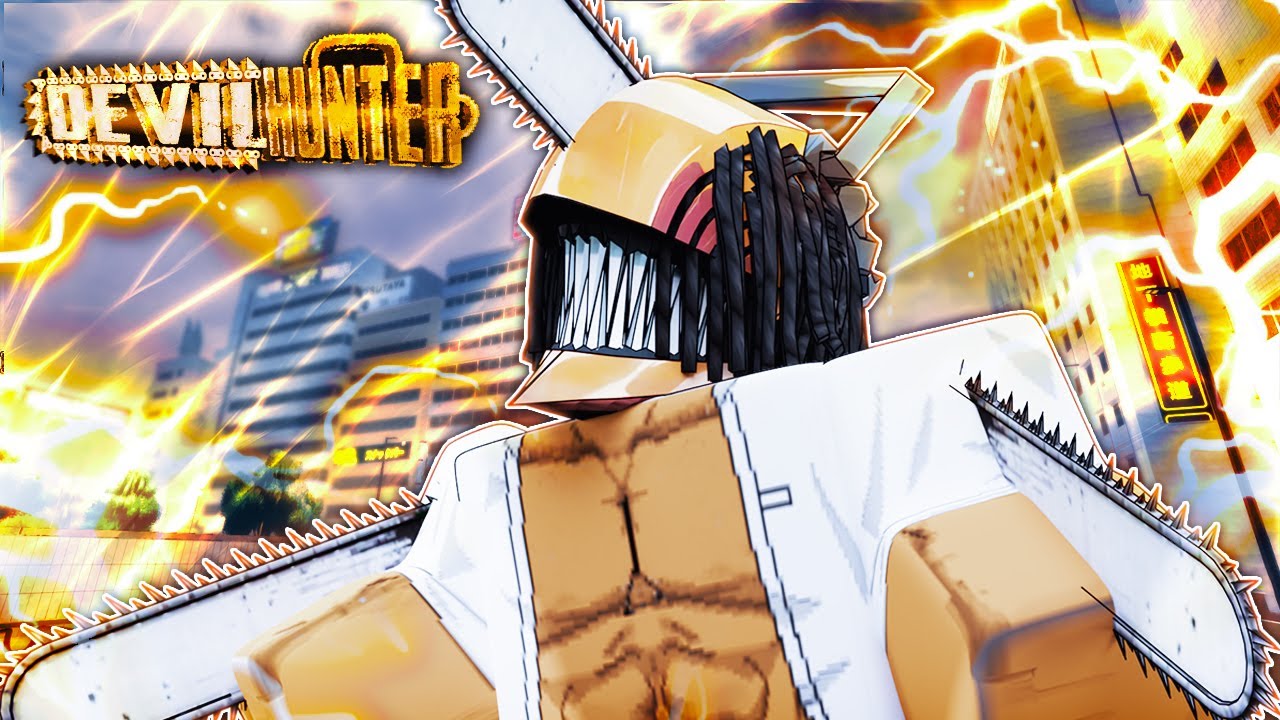
Roblox and Devil Hunter combine fast-paced combat, progression systems, dangerous enemies, and dark fantasy storytelling into an intense multiplayer adventure.
Some games reward speed.
Others reward strategy.
But every once in a while, a game becomes memorable because it creates tension — the kind that keeps players focused even during quiet moments.
That’s exactly what happens inside Devil Hunter.
At first, the game feels straightforward:
fight enemies,
gain power,
unlock abilities,
progress through increasingly dangerous encounters.
But after a few hours, players begin noticing something deeper beneath the action.
Every battle becomes a test of timing.
Every upgrade choice affects survival.
Every new area introduces uncertainty.
And suddenly, the game stops feeling casual.
It becomes personal.
For many players in the United States, Devil Hunter became more than another anime-inspired Roblox experience. It became a progression-driven world built around mastery, risk, and the constant pursuit of becoming stronger against increasingly brutal opposition.
Because in Devil Hunter, strength is never permanent.
You either adapt —
or fall behind.
Deep Analysis: Why Devil Hunter Feels So Addictive
One reason Devil Hunter keeps players engaged for long periods is because progression feels emotionally visible.
Players begin weak.
Combat feels clumsy.
Enemies feel overwhelming.
Then slowly, everything changes.
Attacks become smoother.
Movement becomes faster.
Abilities become more destructive.
Confidence increases.
That transformation creates psychological momentum.
And momentum is one of the most powerful retention systems in gaming.
Unlike many simpler action games where upgrades feel cosmetic, Devil Hunter constantly reminds players that improvement changes survival probability directly.
That emotional connection between growth and survivability creates deeper investment.
According to gaming engagement reports, progression systems tied directly to combat mastery produce significantly stronger long-term player retention than purely passive progression loops [Source: Newzoo, 2025].
Devil Hunter reflects this design philosophy extremely well.
The game rewards persistence without making success feel automatic.
The Emotional Psychology of Combat Progression
Combat in Devil Hunter succeeds because it balances empowerment with vulnerability.
Players can become extremely strong over time.
But danger never fully disappears.
That balance matters psychologically.
Games become boring when players feel permanently safe.
They become frustrating when difficulty feels unfair.
Devil Hunter maintains tension by ensuring players constantly encounter:
-
stronger enemies,
-
harder zones,
-
more complex combat situations,
-
and increasing pressure.
This keeps progression emotionally meaningful.
The game also benefits from visual escalation.
Abilities feel stronger.
Animations feel more impactful.
Combat rhythm becomes faster and more fluid.
These changes reinforce the emotional sensation of becoming more experienced.
And because players can physically feel their gameplay improving, progression becomes satisfying beyond numerical upgrades alone.
Practical Strategies and Survival Tips
One of the most common beginner mistakes is focusing entirely on raw damage output.
New players often assume stronger attacks automatically guarantee survival.
Experienced players understand combat efficiency depends equally on:
-
positioning,
-
movement timing,
-
resource management,
-
and defensive awareness.
Another major mistake involves rushing progression zones too aggressively.
Many players enter difficult areas before understanding enemy behavior patterns properly.
Veteran players usually study:
-
attack timing,
-
movement range,
-
ability cooldowns,
-
and environmental positioning carefully before pushing forward.
Patience becomes surprisingly valuable.
Resource management also plays a critical role.
Players who waste abilities carelessly often struggle later during extended encounters where timing becomes essential.
Efficient combat is rarely chaotic.
It’s controlled.
Storytelling Through Combat and Persistence
One reason Devil Hunter creates memorable experiences is because progression feels earned through struggle.
Players remember:
-
their first difficult boss victory,
-
surviving impossible encounters,
-
unlocking game-changing abilities,
-
or narrowly escaping dangerous situations with almost no health remaining.
These moments feel meaningful because the game allows players to fail repeatedly before succeeding.
And repeated failure creates emotional stakes.
When victory finally happens after genuine difficulty, the emotional payoff becomes significantly stronger.
This is why challenging progression systems often produce deeper long-term memories than easy reward loops.
The struggle itself becomes part of the narrative.
Source:
Another major reason Devil Hunter thrives is its community culture.
Players constantly share:
-
combat builds,
-
farming routes,
-
progression strategies,
-
ability combinations,
-
and survival advice.
This creates a collaborative ecosystem where knowledge itself becomes part of progression.
The game remains engaging partly because mastery always feels slightly out of reach.
Expert Insights and Common Mistakes Players Make
One common mistake inexperienced players make is relying too heavily on aggressive playstyles.
Overcommitting during combat often leads to avoidable defeats.
Experienced players understand pacing.
Sometimes retreating, repositioning, or delaying abilities produces better outcomes than nonstop offense.
Another mistake involves ignoring adaptability.
Many beginners attempt forcing identical strategies across every encounter.
Advanced players constantly adjust:
-
movement patterns,
-
timing,
-
build priorities,
-
and ability usage depending on enemy behavior.
A third major issue is burnout from excessive grinding.
Progression-heavy games can become exhausting when players focus entirely on efficiency.
Veteran players usually balance optimization with experimentation and exploration to maintain long-term enjoyment.
The Advanced Perspective: Why Devil Hunter Feels Emotionally Intense
At a deeper level, Devil Hunter creates emotional engagement through uncertainty.
Players never feel completely comfortable.
Even stronger characters remain vulnerable if:
-
positioning fails,
-
timing breaks down,
-
or enemies overwhelm them unexpectedly.
This uncertainty keeps attention levels high continuously.
The game also creates identity through progression.
Players become attached to:
-
specific abilities,
-
combat styles,
-
movement habits,
-
and personal strategies.
That personalization strengthens emotional investment because players stop viewing progression as generic advancement.
Instead, they feel like they are building a unique combat identity.
This transformation from “playing the game” to “developing a playstyle” dramatically increases long-term attachment.
Trends, Data, and the Rise of Anime Action Experiences on Roblox
The success of Devil Hunter reflects broader gaming trends happening globally.
Modern players increasingly enjoy:
-
progression-heavy combat systems,
-
anime-inspired aesthetics,
-
multiplayer collaboration,
-
and long-term mastery experiences.
Roblox itself evolved into a platform supporting increasingly sophisticated combat-driven games capable of maintaining massive player communities.
According to gaming analytics reports, anime-inspired multiplayer experiences continue growing rapidly among younger North American audiences because they combine progression, identity expression, and social interaction effectively [Source: Statista, 2025].
Streaming culture amplified this popularity significantly.
Viewers enjoy:
-
boss fights,
-
progression breakthroughs,
-
difficult encounters,
-
and high-risk gameplay moments.
The emotional unpredictability creates natural entertainment.
Comparing Devil Hunter to Other Roblox Action Games
Many action-focused Roblox experiences prioritize spectacle over depth.
Devil Hunter stands out because progression feels connected to player skill rather than visual effects alone.
Another important distinction involves pacing.
Some games overwhelm players immediately with constant stimulation.
Devil Hunter balances:
-
exploration,
-
tension,
-
progression,
-
and combat escalation more carefully.
This pacing creates stronger immersion.
The game also succeeds because difficulty feels increasingly psychological over time.
Later encounters challenge:
-
patience,
-
focus,
-
adaptability,
-
and emotional composure as much as mechanical execution.
That complexity improves longevity significantly.
Reference:
Another fascinating distinction involves emotional rhythm.
Devil Hunter alternates between:
-
calm exploration,
-
preparation,
-
escalating combat,
-
and moments of survival panic.
That emotional pacing prevents gameplay from feeling repetitive despite long progression loops.
Common Concerns and Misunderstandings Around Devil Hunter
Some players initially assume the game revolves entirely around grinding.
While progression is important, experienced players know strategy and adaptability dramatically influence success rates.
Another misconception is that stronger gear automatically solves difficult encounters.
In reality, timing, positioning, and movement awareness often matter just as much as raw statistics.
There’s also concern around difficulty spikes frustrating new players.
Interestingly, many experienced players argue those difficult moments create the strongest emotional memories because overcoming genuine challenges feels far more rewarding than effortless progression.
The game succeeds partly because victory never feels guaranteed.
Final Thoughts and What Comes Next
Devil Hunter became one of Roblox’s most compelling action experiences because it understands something many modern games forget:
Players don’t only want power.
They want to earn it.
The game creates emotional investment through:
-
challenge,
-
adaptation,
-
progression,
-
uncertainty,
-
and mastery.
Every difficult encounter becomes a lesson.
Every defeat becomes preparation.
Every victory feels personal.
That emotional structure transforms ordinary combat progression into something much more memorable.
And perhaps that’s why players continue returning night after night.
Not simply to become stronger.
But to prove they can survive worlds designed to test them constantly.
References
-
Newzoo. (2025). Action RPG Engagement and Retention Trends Report.
-
Statista. (2025). North American Multiplayer Gaming and Anime Genre Statistics.
-
Psychology Today. (2024). Challenge, Reward, and Emotional Motivation in Gaming.
-
GameAnalytics. (2025). Player Behavior Patterns in Progression-Based Multiplayer Games.
-
GamesIndustry.biz. (2025). The Evolution of Anime-Inspired Online Gaming Experiences.