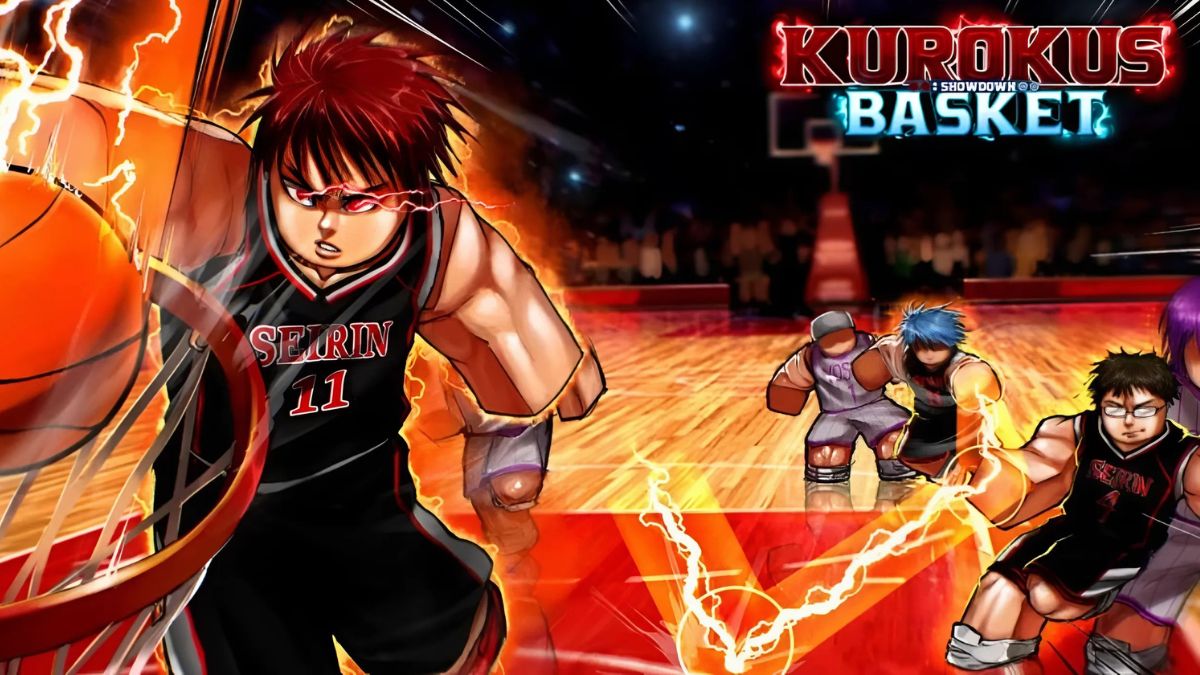



Introduction to Kuroko Basket: Showdown
Kuroko Basket: Showdown combines fast-paced basketball mechanics, anime-style abilities, strategic teamwork, and competitive intensity into a deeply rewarding sports gaming experience.
The first thing most players notice in Kuroko Basket: Showdown is speed.
Everything happens fast.
Passes explode across the court.
Defenders react instantly.
Momentum shifts in seconds.
One perfect play can completely transform the energy of an entire match.
At first, the chaos feels overwhelming.
New players often believe victory belongs to whoever has:
-
the flashiest abilities,
-
the strongest characters,
-
or the fastest reflexes.
But after enough matches, experienced players realize something more important:
Basketball in Kuroko Basket: Showdown is fundamentally about control.
Control over:
-
positioning,
-
timing,
-
decision-making,
-
spacing,
-
and emotional momentum.
That layered complexity is one reason Kuroko Basket: Showdown continues attracting highly competitive players across the United States.
The game transforms anime-inspired sports action into something emotionally intense, strategic, and surprisingly psychological.
And once players begin understanding those deeper systems, the game becomes difficult to put down.
Deep Analysis: Why Kuroko Basket: Showdown Feels So Competitive
Many sports games focus heavily on mechanics.
Kuroko Basket: Showdown succeeds because it combines mechanics with emotional pacing.
Every possession creates tension.
Players constantly evaluate:
-
passing lanes,
-
defensive spacing,
-
shot timing,
-
stamina management,
-
rotations,
-
and offensive pressure.
This continuous decision-making keeps gameplay mentally engaging.
The game also creates emotional escalation naturally.
A team trailing early can suddenly regain momentum through:
-
coordinated defense,
-
faster transitions,
-
or a single perfectly timed steal.
That unpredictability creates emotional investment.
According to competitive gaming research, team-based games maintain stronger engagement when player decisions visibly influence momentum swings during matches [Source: Newzoo, 2025].
Kuroko Basket: Showdown captures this dynamic exceptionally well.
No lead feels completely safe.
No comeback feels impossible.
That uncertainty keeps matches exciting from start to finish.
The Psychology Behind Team Chemistry and Competitive Flow
One fascinating aspect of Kuroko Basket: Showdown is how strongly teamwork shapes performance.
Even highly skilled players struggle when team coordination collapses.
Meanwhile, organized teams often outperform mechanically stronger opponents through:
-
spacing,
-
communication,
-
passing discipline,
-
and defensive structure.
This creates emotional realism similar to actual basketball.
The game also rewards role identity.
Different players naturally gravitate toward:
-
scoring,
-
playmaking,
-
defense,
-
support positioning,
-
or transition control.
These specializations strengthen emotional attachment because players begin identifying personally with their preferred style of play.
Over time, matches stop feeling random.
They start feeling like strategic battles between competing systems.
Practical Tips for Improving Faster
One major beginner mistake is forcing offense constantly.
Experienced players understand patience creates better scoring opportunities than reckless aggression.
Strong teams move the ball efficiently instead of rushing difficult shots.
Another common issue involves poor defensive positioning.
New players often chase opponents impulsively, creating open lanes and broken formations.
Veteran defenders focus on:
-
spacing,
-
anticipation,
-
and controlled pressure instead.
Movement efficiency also matters enormously.
Elite players rarely waste motion.
Every sprint, rotation, and defensive adjustment serves a purpose.
This discipline creates consistency during high-pressure moments.
Storytelling Through Rivalries, Pressure, and Clutch Moments
One reason Kuroko Basket: Showdown creates memorable experiences is because every match naturally generates emotional narratives.
Players remember:
-
impossible buzzer-beaters,
-
dramatic steals,
-
perfect assists,
-
defensive stands,
-
and comeback victories.
These moments feel meaningful because outcomes depend heavily on teamwork and composure under pressure.
The game also creates long-term rivalries.
Frequent players begin recognizing:
-
elite scorers,
-
defensive specialists,
-
strategic playmakers,
-
and aggressive opponents.
Over time, community identity strengthens through shared competitive history.
Victory feels satisfying not only because players win — but because they overcome recognizable challenges and opponents.
Source:
-
Why Team-Based Competitive Games Build Stronger Emotional Engagement
-
The Psychology of Momentum and Confidence in Competitive Gaming
-
The Rise of Competitive Sports Experiences on Online Gaming Platforms
Another reason the game remains compelling is because improvement feels visible.
Players gradually recognize:
-
better positioning,
-
smarter timing,
-
cleaner passing,
-
and stronger decision-making.
That growth creates emotional satisfaction far beyond cosmetic progression alone.
Expert Insights and Common Mistakes Players Make
One major beginner mistake is relying too heavily on flashy abilities.
Experienced players understand fundamentals consistently outperform desperation plays.
Positioning and teamwork win more games than isolated highlights.
Another common issue involves emotional impatience.
Some players panic after mistakes and begin forcing low-percentage plays repeatedly.
Veteran competitors stay composed.
They understand momentum can shift quickly through disciplined defense and smart possessions.
A third mistake involves ignoring stamina and pacing.
Aggressive movement without control often creates:
-
defensive gaps,
-
poor recovery,
-
and predictable offense.
Elite players balance intensity with efficiency.
The Advanced Perspective: Kuroko Basket: Showdown as a Study in Competitive Discipline
At a deeper level, Kuroko Basket: Showdown functions almost like a simulation of competitive psychology.
Players constantly balance:
-
aggression,
-
patience,
-
teamwork,
-
confidence,
-
and adaptation.
This emotional complexity elevates the game beyond simple arcade basketball.
The strongest competitors learn how to control tempo psychologically.
Fast teams create chaos.
Calm teams create structure.
Elite players understand when to:
-
accelerate pressure,
-
slow momentum,
-
rotate defensively,
-
or exploit emotional mistakes from opponents.
This strategic pacing separates experienced teams from purely mechanical players.
Trends, Data, and the Growth of Anime Basketball Games
Anime-inspired sports games continue expanding because they combine:
-
emotional storytelling,
-
teamwork,
-
progression,
-
and competitive tension effectively.
According to gaming analytics research, multiplayer sports titles emphasizing coordinated teamwork maintain especially strong retention because players emotionally connect to shared victories and rivalries [Source: Statista, 2025].
Streaming culture accelerated this trend dramatically.
Viewers enjoy:
-
dramatic clutch plays,
-
coordinated attacks,
-
defensive recoveries,
-
and high-level teamwork.
Kuroko Basket: Showdown naturally creates cinematic gameplay moments highly suitable for competitive content creation.
That visibility strengthens community engagement continuously.
Comparing Kuroko Basket: Showdown to Other Competitive Sports Games
Many basketball games prioritize realism heavily.
Kuroko Basket: Showdown focuses more on emotional energy and pacing.
This creates faster, more dramatic matches where momentum swings feel amplified constantly.
Another important distinction involves teamwork dependence.
Individual talent matters.
But coordinated systems usually determine long-term success.
This balance prevents gameplay from becoming overly dependent on isolated star players alone.
The anime-inspired style also enhances emotional intensity.
Exaggerated movement, reactions, and abilities transform ordinary plays into high-pressure moments carrying cinematic impact.
That emotional amplification keeps matches engaging over long sessions.
Reference:
Another fascinating aspect of Kuroko Basket: Showdown is how quickly players develop emotional awareness during matches.
Confidence sharpens timing.
Frustration creates mistakes.
Fear causes hesitation.
The strongest players learn how to remain emotionally stable while opponents collapse under pressure.
Common Concerns and Misunderstandings Around Kuroko Basket: Showdown
Some players initially assume the game depends mostly on reaction speed.
In reality, experienced competitors know anticipation and positioning consistently outperform raw reflexes over time.
Another misconception is that offense alone wins matches.
Strong defensive coordination often determines outcomes far more reliably than aggressive scoring attempts.
There’s also concern around competitive intensity.
Fast-paced matches can feel emotionally exhausting initially.
But experienced players improve dramatically once they stop fearing mistakes and begin viewing failures as opportunities to refine positioning and timing.
That mindset accelerates growth significantly.
Final Thoughts and What Comes Next
Kuroko Basket: Showdown became one of the most emotionally engaging competitive sports experiences because it understands something fundamental about basketball itself:
The most unforgettable victories emerge from teamwork under pressure.
Kuroko Basket: Showdown transforms:
-
movement,
-
passing,
-
defense,
-
strategy,
-
and emotional momentum
into a competitive system where every possession matters.
Every assist creates opportunity.
Every defensive stop shifts momentum.
Every comeback strengthens emotional investment.
That intensity keeps players returning long after the excitement of simple progression fades.
And perhaps that’s the real reason Kuroko Basket: Showdown continues growing.
Not because winning feels exciting.
But because overcoming pressure together feels deeply rewarding.
References
-
Newzoo. (2025). Competitive Team Gaming Engagement Trends.
-
Statista. (2025). Multiplayer Sports Gaming Market Analysis in North America.
-
Psychology Today. (2024). Teamwork, Momentum, and Emotional Performance in Competitive Gaming.
-
GameAnalytics. (2025). Player Retention Patterns in Cooperative Competitive Games.
-
GamesIndustry.biz. (2025). The Evolution of Anime-Inspired Sports Gaming Experiences.