Game hành động
All posts in this category
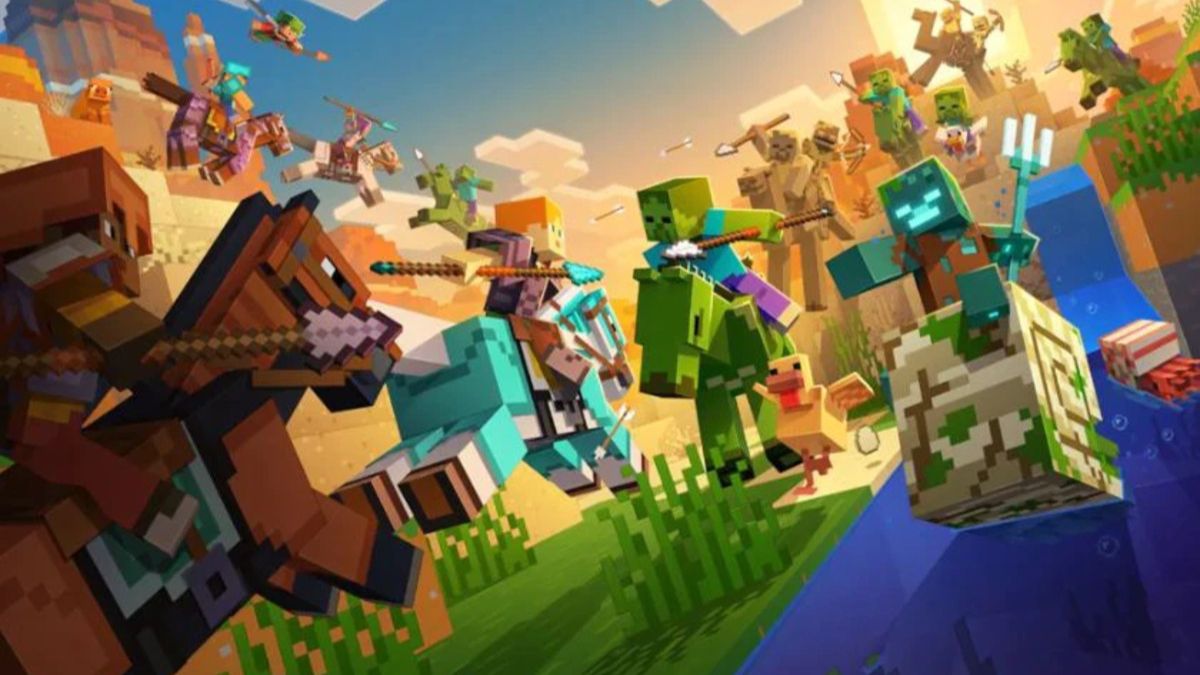
Minecraft: The Ultimate Beginner-to-Advanced Guide for Surviving, Building, and Mastering an Infinite World
Introduction to Minecraft Minecraft combines creativity, survival, exploration, and problem-solving inside an endlessly evolving world where every decision shapes a unique personal adventure. There’s a reason millions of players continue returning to Minecraft year after year. It isn’t because the game constantly tells players what to do. It’s because it quietly asks a much more powerful question: “What kind of world do you want to create?” That question changes everything. For some players, Minecraft becomes a peaceful escape where they build enormous cities beside oceans and mountains. For others, it transforms into a survival challenge filled with dangerous caves, hostile creatures, and tense nighttime exploration. And for many people in the United States, Minecraft eventually becomes something surprisingly personal — a digital world shaped by memories, mistakes, creativity, and long-term progress. At first glance, Minecraft may appear simple. Blocks. Tools. Basic graphics. But after a few hours, players begin discovering something deeper beneath the simplicity: Minecraft is not just about survival. It’s about learning how to adapt, experiment, recover from failure, and slowly turn imagination into something tangible. That emotional freedom is exactly why the game remains timeless. Deep Analysis: Why Minecraft Continues Dominating Gaming Culture Most games guide players carefully from one objective to the next. Minecraft takes the opposite approach. It gives players almost complete freedom immediately. That freedom creates uncertainty at first. But eventually, uncertainty transforms into possibility. Players can: build massive structures, survive harsh environments, explore endless caves, automate systems, create farms, experiment with engineering, or simply wander without pressure. This flexibility creates unusually strong emotional ownership. Players don’t just remember “playing Minecraft.” They remember *their* worlds. That distinction matters psychologically. According to gaming engagement studies, sandbox experiences that encourage player-generated creativity produce stronger long-term emotional attachment than heavily scripted experiences [Source: Newzoo, 2025]. Minecraft demonstrates this principle perfectly. The game world becomes meaningful because players shape it themselves. A small wooden shelter built during a terrifying first night often becomes more emotionally memorable than entire cinematic campaigns in other games. Why? Because players earned that moment personally. The Emotional Psychology Behind Minecraft’s Endless Appeal One reason Minecraft resonates across generations is because it balances safety and danger extremely well. During daylight, the world feels calm and inviting. At night, survival suddenly becomes uncertain. This emotional contrast creates tension naturally. Players constantly move between: creativity, exploration, preparation, and survival. That shifting emotional rhythm prevents the experience from becoming repetitive. Minecraft also rewards curiosity remarkably well. The players who progress fastest are often the players willing to: explore unfamiliar areas, experiment with mechanics, risk failure, and learn through mistakes. This creates a learning loop based on discovery rather than instruction. And discovery feels emotionally rewarding because it creates surprise. Practical Tips for Surviving and Improving Faster One of the most important beginner lessons in Minecraft is understanding priorities. New players often focus too heavily on aesthetics early while ignoring survival fundamentals. Experienced players usually prioritize: shelter, food, tools, resource gathering, and safe storage first. Preparation matters enormously. Another major mistake beginners make is exploring too aggressively without planning return routes or backup supplies. Veteran players rarely travel long distances without: coordinates, extra food, emergency tools, or navigation strategies. Minecraft rewards caution — but not fear. The best players balance preparation with curiosity. Efficient inventory management also becomes increasingly important later in the game. Organized storage systems save enormous amounts of time and reduce unnecessary frustration during larger projects. Storytelling Through Exploration and Survival One fascinating aspect of Minecraft is how naturally it creates personal stories. The game rarely forces dramatic moments artificially. Instead, stories emerge organically: escaping dangerous caves, surviving near-death situations, discovering hidden villages, losing valuable resources, or finally completing enormous projects after weeks of work. These moments feel meaningful because they belong entirely to the player. The world itself becomes a memory map. Players remember: where they built their first shelter, where they got lost, where they found rare materials, and where disaster struck unexpectedly. That emotional personalization explains why Minecraft worlds often feel difficult to abandon even years later. The game quietly transforms virtual environments into emotional history. Source: Why Sandbox Games Create Stronger Emotional Attachment The Psychology of Exploration and Creativity in Gaming How Open-Ended Games Changed Modern Game Design The Rise of Creative Survival Experiences in Gaming Why Emergent Gameplay Creates Lasting Player Memories Another reason Minecraft continues thriving is because no two players experience it exactly the same way. Some players focus entirely on architecture. Others become survival experts. Some build automated systems. Others explore endlessly. This flexibility allows the game to evolve alongside the player rather than becoming obsolete after completion. Expert Insights and Common Mistakes Players Make One of the most common beginner mistakes is underestimating environmental danger. Lava, fall damage, hostile mobs, and poor preparation often punish careless players quickly. Experienced players understand survival depends more on awareness than aggression. Another mistake involves rushing progression too aggressively. Many new players focus only on reaching late-game content immediately. Veteran players often appreciate slower progression because Minecraft’s emotional strength comes largely from discovery and experimentation rather than speedrunning objectives. A third major issue is fear of failure. Some players avoid exploration entirely because they fear losing resources. Ironically, those players often learn slower than players willing to take calculated risks. Minecraft rewards resilience remarkably well. Most setbacks become valuable lessons later. The Advanced Perspective: Minecraft as a Creative Thinking Simulator At a deeper level, Minecraft functions almost like a digital creativity laboratory. Players constantly solve problems: How should resources be organized? What’s the safest route? How can structures become more efficient? Which designs work best? These systems encourage adaptive thinking continuously. Minecraft also supports iterative creativity. Very few impressive builds emerge perfectly on the first attempt. Players experiment, fail, adjust, and improve gradually. This mirrors real creative work surprisingly closely. That’s one reason Minecraft remains emotionally satisfying even after thousands of hours. The game rewards imagination without demanding perfection. Trends, Data, and the Future of Sandbox Gaming Minecraft’s long-term popularity reflects broader shifts happening across gaming culture. Modern audiences increasingly value: player freedom, creative expression, emergent storytelling, and long-term personalization. According to gaming analytics reports, sandbox games maintain exceptionally strong engagement because they encourage player ownership and replayability [Source: Statista, 2025]. Minecraft also thrives because it adapts naturally to modern content culture. Streaming platforms and video creators continuously reinvent the experience through: survival challenges, hardcore worlds, speedruns, massive builds, multiplayer roleplay, and creative experiments. The game constantly renews itself through community imagination. That flexibility gives Minecraft unusual longevity compared to more linear experiences. Comparing Minecraft to Other Survival and Sandbox Games Many survival games emphasize realism. Others focus heavily on combat or difficulty. Minecraft succeeds because it balances: creativity, accessibility, exploration, and survival simultaneously. Its visual simplicity actually strengthens imagination rather than limiting it. Another major difference involves emotional pacing. Some games create nonstop pressure. Minecraft allows: quiet exploration, peaceful building, slow progression, and reflective moments between danger. This emotional variety creates stronger long-term comfort and attachment. Minecraft also remains uniquely accessible. A child can enjoy simple building mechanics immediately. Meanwhile, experienced players can spend years mastering: advanced engineering, automation, large-scale survival, and technical systems. Very few games successfully support both simplicity and complexity this effectively. Reference: The Future of Open-Ended Sandbox Gaming How Creativity Influences Long-Term Player Retention Streaming Culture and the Growth of Survival Games Why Exploration-Based Games Remain Emotionally Powerful Problem Solving and Adaptive Thinking in Gaming Another important distinction involves emotional memory. Minecraft players rarely remember scripted objectives most vividly. They remember: unexpected disasters, successful recoveries, ambitious builds, terrifying cave encounters, and moments of discovery that felt completely personal. Those experiences create emotional ownership that linear games often struggle to replicate. Common Concerns and Misunderstandings Around Minecraft Some players initially assume Minecraft lacks depth because of its visual simplicity. In reality, the game contains layered systems involving: survival mechanics, resource management, environmental strategy, engineering, exploration, and creative architecture. Another misconception is that Minecraft becomes repetitive quickly. Experienced players often argue the opposite: the game becomes more interesting over time because player imagination expands continuously. There’s also concern among some players about “playing correctly.” Minecraft quietly rejects this idea. There is no single correct way to experience the game. Some players pursue efficiency. Others pursue creativity. Some prioritize exploration or multiplayer storytelling. That flexibility is precisely why the game remains emotionally timeless. Final Thoughts and What Comes Next Minecraft continues shaping gaming culture because it understands something many modern games forget: Players don’t only want objectives. They want ownership. Minecraft gives players space to: experiment, fail, rebuild, create, survive, and slowly transform unfamiliar worlds into something meaningful. That emotional progression feels deeply human. And perhaps that’s the real reason the game still resonates after all these years. Not because the graphics are realistic. Not because the mechanics are complicated. But because Minecraft quietly allows players to leave pieces of themselves inside the worlds they build. And once that happens, the experience stops feeling temporary. It starts feeling personal. References * Newzoo. (2025). *Sandbox Gaming Engagement and Retention Report*. * Statista. (2025). *Creative Survival Game Market Trends in North America*. * Psychology Today. (2024). *Exploration, Creativity, and Emotional Learning in Gaming*. * GameAnalytics. (2025). *Player Behavior Patterns in Open-Ended Sandbox Games*. * GamesIndustry.biz. (2025). *The Evolution of Creative Survival Experiences*.

Grand Theft Auto V
All trademarks belong to their respective owners.
Grand Theft Auto V
Grand Theft Auto V Summary Grand Theft Auto V delivers a legendary open-world adventure with its expansive world and cinematic storytelling, celebrating a unique action experience. Its variety and humor shine, though technical issues and online challenges pose hurdles. It’s a must-play for action and open-world fans, with its legacy enduring despite ongoing refinement needs.

GTA VI and the Beginning of a New Era in Open-World Gaming
Introduction to GTA VI Grand Theft Auto VI represents a major evolution in immersive storytelling, open-world realism, player freedom, and next-generation gaming expectations worldwide. Some games arrive quietly and disappear within months. Others redefine entire genres. GTA VI already feels destined for the second category — and the remarkable part is that millions of players reached that conclusion long before the game officially arrives. That level of anticipation rarely happens by accident. For years, players across the United States and around the world have discussed every possible detail surrounding GTA VI: the setting, the map, the characters, the realism, the scale, the technology, and perhaps most importantly — the feeling players expect to experience once they finally enter its world. Because at its core, the excitement around GTA VI isn’t only about graphics or gameplay mechanics. It’s about possibility. The possibility of stepping into a living digital world that feels more immersive, reactive, emotional, and believable than anything players have experienced before. And in modern gaming, immersion has become one of the most valuable forms of entertainment. Deep Analysis: Why GTA VI Carries Unprecedented Expectations Every major gaming generation eventually produces one title that becomes larger than gaming itself. Not simply because of sales. Not because of marketing. But because audiences collectively project enormous emotional expectations onto it. Grand Theft Auto VI has reached that point. The reason is deeply connected to how previous open-world games changed player psychology over time. Years ago, open-world design mainly focused on scale. Large maps impressed players. Freedom felt revolutionary. But today, audiences expect more. Modern players want worlds that: react intelligently, evolve dynamically, feel socially believable, and create unscripted moments naturally. That’s where GTA VI enters the conversation. Players no longer expect merely a bigger city. They expect a world that behaves like a functioning ecosystem. This shift matters enormously. According to interactive entertainment reports, player immersion and environmental realism now influence engagement levels more heavily than graphical fidelity alone [Source: Newzoo, 2025]. In other words: players increasingly remember experiences rather than technical specifications. That’s why anticipation around GTA VI feels emotional instead of purely technical. People want to feel transported again. The Emotional Weight of Open-World Freedom One reason the GTA franchise became culturally iconic is because it mastered something few games achieve consistently: the illusion of unrestricted freedom. Even when players followed missions, the surrounding world still felt alive independently. You could ignore objectives entirely. Drive endlessly at night. Explore random neighborhoods. Cause chaos. Or simply exist quietly inside the environment. That freedom created emotional immersion. Players began forming personal memories instead of only completing designed content. GTA VI carries the burden of evolving that feeling further. Today’s audiences expect: smarter AI behavior, reactive environments, more believable social systems, dynamic weather, evolving city activity, and emergent interactions that feel unscripted. The challenge is no longer creating a large world. The challenge is creating a world players emotionally believe in. And that difference defines the future of open-world gaming. Practical Insights: What Players Truly Want From GTA VI Despite endless discussions about graphics and map size, many experienced players care more about immersion quality than raw scale. A world becomes memorable when small details feel authentic: pedestrians reacting naturally, traffic patterns changing dynamically, environments evolving over time, NPC conversations feeling contextual, and exploration rewarding curiosity. Modern audiences notice these details immediately. Interestingly, some of the strongest emotional moments in open-world games often happen outside major story missions. Players remember: unexpected encounters, quiet exploration, environmental discoveries, spontaneous chaos, and random moments that felt uniquely personal. That unpredictability creates emotional ownership. And emotional ownership dramatically increases long-term engagement. GTA VI enters an industry where players increasingly value worlds that generate personal stories rather than simply delivering scripted content. Storytelling Expectations in Modern Open-World Games Narrative expectations surrounding GTA VI have also evolved significantly. Players today want stories that feel emotionally grounded rather than purely cinematic. Flawed protagonists. Complicated motivations. Moral ambiguity. Human vulnerability. These qualities resonate far more strongly with modern audiences than perfectly heroic characters. Previous GTA titles often balanced: satire, crime drama, humor, social commentary, and emotional conflict simultaneously. Many players now expect GTA VI to deepen that balance even further. Especially in the United States, where storytelling-driven gaming experiences strongly influence mainstream gaming culture, audiences increasingly want narratives that feel socially believable rather than exaggerated purely for spectacle. That expectation creates a unique challenge: players want realism without losing entertainment value. Very few franchises attempt balancing both at this scale. Source: The Evolution of Open-World Game Design Expectations Why Immersive Worlds Create Stronger Emotional Engagement The Future of Sandbox Gaming Experiences How Open-World Games Changed Modern Entertainment Player Retention and Environmental Realism in Gaming One fascinating aspect of GTA VI’s anticipation cycle is how deeply online communities participate in shaping expectations collectively. Players analyze trailers frame by frame. Discuss environmental details obsessively. Debate mechanics, realism systems, and map theories. This community-driven speculation creates emotional investment long before release. At some point, anticipation itself becomes part of the entertainment experience. Expert Insights and Common Misunderstandings One common misunderstanding is assuming GTA VI must revolutionize every aspect of gaming simultaneously. That expectation is unrealistic for any game. Technological improvements matter, but meaningful innovation often comes from smaller systemic details: AI responsiveness, world interactivity, animation quality, pacing, and environmental immersion. Another mistake involves focusing entirely on graphical realism. Visual quality certainly matters. But players rarely remember games purely because textures looked impressive. They remember feelings: immersion, tension, unpredictability, discovery, and emotional attachment to the world itself. Experienced players increasingly understand that immersion is psychological, not purely visual. A believable world feels alive because systems interact naturally — not only because graphics appear realistic. The Advanced Perspective: GTA VI as a Cultural Benchmark At this stage, GTA VI functions less like a product and more like a cultural benchmark. Its release will likely influence: open-world design trends, streaming culture, multiplayer expectations, player immersion standards, and future AAA development priorities. Very few games carry this level of influence before launch. That influence exists because previous GTA titles reshaped player expectations historically. After earlier GTA releases, many open-world games began adopting: sandbox freedom, environmental interactivity, cinematic storytelling, and emergent gameplay systems. Now the industry watches again. Developers, players, streamers, and analysts all want to see what the next major leap in open-world immersion might look like. That collective curiosity explains why discussions around GTA VI feel unusually intense. Trends, Data, and the Current State of Open-World Gaming Gaming audiences have evolved dramatically over the past decade. Today’s players increasingly prioritize: immersion, personalization, exploration, social storytelling, and emotionally reactive environments. According to global gaming analytics reports, open-world titles continue dominating long-session engagement metrics because they encourage player-generated experiences rather than purely scripted progression [Source: Statista, 2025]. Streaming culture accelerated this trend even further. Viewers enjoy unpredictability: random encounters, AI reactions, unscripted chaos, social interactions, and emergent gameplay moments. Open-world games capable of producing endless unique situations maintain stronger long-term visibility online. That’s one reason GTA VI’s expectations became so massive. Players anticipate not just a game — but an ecosystem of shareable experiences. Comparing GTA VI Expectations to Other Open-World Titles Many open-world games emphasize scale. Others prioritize realism. Some focus heavily on storytelling. Players expect GTA VI to combine all three simultaneously. That combination is extraordinarily difficult. Some games create beautiful worlds that feel emotionally empty. Others deliver strong stories but limited freedom. Some provide chaos but lack immersion depth. The GTA franchise historically succeeded because it balanced: freedom, atmosphere, storytelling, humor, and unpredictability remarkably well. Another key difference involves cultural memory. Many players associate previous GTA experiences with specific periods of their lives: late-night exploration, multiplayer chaos with friends, discovering hidden mechanics, or simply losing hours inside a believable digital city. Those memories increase emotional expectations for GTA VI dramatically. Players are not only hoping for technical advancement. They are hoping to recreate feelings they remember emotionally. Reference: The Psychology of Anticipation in Entertainment Media How Sandbox Games Shape Long-Term Engagement Streaming Culture and Open-World Gaming Popularity The Rise of Community-Driven Gaming Speculation Future Trends in AAA Open-World Game Development Another important distinction involves emotional pacing. Modern audiences increasingly appreciate games that allow moments of stillness between action. Quiet exploration. Environmental atmosphere. Unexpected discoveries. These slower moments often create stronger immersion than nonstop stimulation. Players expect GTA VI to understand this emotional rhythm deeply. Common Concerns and Discussions Around GTA VI Some players worry expectations have become impossibly high. That concern is understandable. Years of speculation naturally create idealized visions inside people’s minds. No game can perfectly match every rumor, theory, or imagined feature simultaneously. Another discussion involves realism balance. Players want believable worlds — but they also want fun. Too much realism can reduce pacing and accessibility. Too little realism weakens immersion. Finding that balance may become one of GTA VI’s most important design challenges. There are also broader concerns about the future of open-world games generally. As worlds become larger and more detailed, some players worry developers may prioritize scale over meaningful interaction. This is why environmental depth matters more now than map size alone. Final Thoughts and What Comes Next Grand Theft Auto VI represents more than another sequel. It represents the next major test of what open-world gaming can emotionally become. Players no longer want worlds that simply look impressive. They want worlds that feel alive. Reactive. Unpredictable. Personal. That emotional expectation explains why anticipation surrounding GTA VI feels so unusually powerful. People are not merely waiting for another game release. They are waiting for a new experience capable of surprising them again in an industry where surprise has become increasingly rare. And perhaps that’s the most fascinating part of all. Long before players officially enter the world of GTA VI, millions have already imagined what it might feel like to live inside it. References Newzoo. (2025). Global Open-World Gaming Engagement Report. Statista. (2025). Open-World Gaming Market Trends in North America. Psychology Today. (2024). Immersion, Anticipation, and Emotional Investment in Gaming. GameAnalytics. (2025). Player Behavior in Sandbox and Open-World Games. GamesIndustry.biz. (2025). The Future of AAA Open-World Design.

Arrows Escape
All trademarks belong to their respective owners.

Roblox: Anime Vanguards and the Ultimate Strategy Guide to Mastering One of the Most Addictive Tower Defense Games Right Now
Introduction to Roblox: Anime Vanguards Roblox and Anime Vanguards combine strategic planning, progression systems, teamwork, and anime-inspired combat into an intensely rewarding defense experience. There’s a moment every Anime Vanguards player experiences eventually. At first, the game feels simple. Place units. Defend waves. Upgrade strategically. Repeat. But after a few difficult stages, players suddenly realize something important: winning consistently is not about randomness. It’s about understanding systems. The placement of one unit changes the outcome of an entire round. One poor upgrade timing can destroy momentum. One weak strategy becomes painfully obvious against later waves. And that’s exactly why Anime Vanguards became so addictive for so many players. Beneath the colorful visuals and anime-inspired combat exists a surprisingly deep strategy ecosystem built around efficiency, timing, adaptation, and long-term progression. For many players in the United States, Anime Vanguards quickly evolved from casual entertainment into a game about optimization, experimentation, and mastery. Because the deeper players go, the more they realize: the strongest strategies are rarely the most obvious ones. Deep Analysis: Why Anime Vanguards Feels So Rewarding Many tower defense games rely heavily on repetition. Anime Vanguards succeeds because it makes progression feel dynamic instead of mechanical. At its core, the game constantly balances three emotional systems: strategy, progression, and anticipation. Players are always trying to improve: stronger units, smarter placements, better synergy, faster clears, or more efficient farming routes. That visible improvement creates emotional satisfaction. But unlike simpler tower defense games, Anime Vanguards also rewards adaptability. One strategy rarely dominates every situation perfectly. Different maps, enemy types, wave pacing, and unit interactions force players to think continuously instead of relying on autopilot. This mental engagement is critical. According to player retention studies, strategy-focused multiplayer games maintain stronger long-term engagement when players feel decision-making quality directly impacts success [Source: Newzoo, 2025]. Anime Vanguards benefits enormously from this principle. Players don’t just feel lucky when they win. They feel intelligent. And feeling strategically effective is psychologically powerful. The Psychology of Unit Progression and Team Building One reason Anime Vanguards feels emotionally satisfying is because progression feels layered. Players improve not only through higher stats, but through understanding. At first, beginners often focus only on rarity. They assume stronger-looking units automatically guarantee victory. Experienced players eventually realize the real game revolves around synergy. How units interact matters more than raw power alone. A balanced team usually performs better than random high-rarity combinations because: placement coverage, attack timing, economy management, and crowd control all influence survival heavily. This creates deeper strategic thinking over time. Players begin planning around: wave pacing, resource efficiency, upgrade timing, and long-term scaling instead of immediate damage output alone. That evolution keeps gameplay intellectually engaging. Practical Strategies That Actually Improve Performance One common beginner mistake is over-upgrading too early. New players often spend resources aggressively during early waves, leaving themselves economically weak later when difficulty spikes dramatically. Experienced players usually think in phases: early survival, mid-game stabilization, and late-game scaling. Understanding pacing becomes incredibly important. Another critical lesson involves placement discipline. Unit positioning affects: range efficiency, lane coverage, targeting behavior, and upgrade value. A perfectly positioned average unit often outperforms a poorly placed rare unit. Experienced players constantly analyze map geometry rather than placing characters randomly. Economy management also separates advanced players from beginners. Knowing when to save resources instead of upgrading impulsively dramatically improves long-term consistency. Storytelling Through Failure and Adaptation One reason Anime Vanguards creates memorable gameplay is because failure usually feels educational instead of meaningless. Players often lose because: they underestimated enemy scaling, mismanaged upgrades, ignored synergy, or reacted too slowly. That kind of failure teaches naturally. The game creates emotional tension through progression risk. A strong run can collapse suddenly. One mistake can destroy momentum. Late waves become psychological pressure tests. These situations generate memorable experiences because players feel personally responsible for outcomes. And when players overcome difficult stages after repeated failure, the victories feel genuinely earned. That emotional payoff keeps people returning repeatedly. Source: Why Strategy Games Create Stronger Long-Term Engagement The Psychology of Progression Systems in Gaming How Multiplayer Strategy Games Build Player Retention The Rise of Anime-Inspired Multiplayer Experiences Why Tower Defense Games Continue Thriving Online Another major factor behind Anime Vanguards’ popularity is community strategy culture. Players constantly discuss: tier lists, meta shifts, placement guides, farming efficiency, and hidden synergies. This creates an evolving ecosystem where knowledge itself becomes part of progression. The game remains engaging partly because strategies never feel fully “solved.” Expert Insights and Common Mistakes Players Make One major mistake beginners make is chasing rarity over utility. A high-rarity unit without proper synergy often performs worse than a coordinated team built around balanced mechanics. Experienced players prioritize function over appearance. Another common issue involves tunnel vision. Some players focus entirely on damage output while ignoring: crowd control, support utility, range coverage, or economy scaling. Advanced gameplay requires balance. A third mistake involves ignoring adaptability. Many players rely on one strategy repeatedly even when maps or enemy types clearly demand different approaches. Veteran players constantly adjust based on conditions. Flexibility becomes one of the most valuable skills in the game. The Advanced Perspective: Why Anime Vanguards Feels So Addictive Anime Vanguards creates addictive engagement because it combines: strategic control, visible progression, collection systems, uncertainty, and social competition simultaneously. One especially powerful mechanic is anticipation. Players constantly feel close to: unlocking stronger units, improving strategies, clearing harder stages, or discovering new synergies. That “almost there” feeling keeps motivation alive. The game also benefits from mastery psychology. Players gradually transform from reactive beginners into predictive strategists. At first, gameplay feels chaotic. Later, experienced players begin anticipating wave patterns, scaling curves, and optimal timing instinctively. That transformation creates deep satisfaction because players can feel themselves improving mentally — not just statistically. Trends, Data, and the Growth of Strategy Games on Roblox The popularity of Anime Vanguards reflects larger trends in online gaming culture. Modern players increasingly enjoy: progression-heavy systems, strategic depth, social gameplay, and long-term optimization. Roblox itself evolved far beyond casual mini-games into a platform supporting highly sophisticated multiplayer ecosystems. According to gaming analytics reports, progression-based strategy experiences continue performing strongly among younger North American gaming audiences because they encourage both social interaction and replayability [Source: Statista, 2025]. Anime-inspired games also maintain strong visibility online due to streaming culture, content creation, and community engagement. Players enjoy discussing strategies almost as much as playing itself. Comparing Anime Vanguards to Other Tower Defense Experiences Many tower defense games become repetitive because strategies stabilize too quickly. Anime Vanguards maintains engagement longer because: unit combinations remain flexible, progression systems evolve, and community-driven meta discussions continuously shift. Another important distinction involves pacing. Some strategy games overwhelm beginners immediately with complexity. Others oversimplify systems too aggressively. Anime Vanguards balances accessibility and depth surprisingly well. New players can participate relatively quickly. Experienced players still discover optimization opportunities hundreds of hours later. That layered complexity significantly improves longevity. Reference: The Future of Strategy-Based Multiplayer Gaming How Reward Systems Influence Long-Term Player Motivation Why Competitive Strategy Communities Keep Growing Streaming Culture and the Popularity of Anime Games The Psychology Behind Strategic Decision-Making in Games Another key difference involves emotional pacing. Anime Vanguards constantly alternates between: calm planning, economic decisions, escalating pressure, and chaotic late-wave survival. That emotional rhythm keeps sessions psychologically engaging without becoming monotonous. Common Concerns and Misunderstandings Around the Game Some players initially assume Anime Vanguards depends mostly on luck. While randomness certainly influences unit acquisition, experienced players consistently prove strategy matters enormously. Strong positioning and resource management often outperform raw rarity advantages. Another misconception is that grinding alone guarantees mastery. In reality, progression without strategic understanding eventually creates performance limitations. Players who study mechanics, adapt strategies, and understand synergy usually improve much faster. There’s also concern among some players about balancing enjoyment versus optimization. Highly competitive progression systems can sometimes encourage burnout when players focus entirely on efficiency. Veteran players often maintain longer-term enjoyment by balancing: experimentation, social play, and progression goals together. Final Thoughts and What Comes Next Anime Vanguards became one of the most engaging strategy experiences on Roblox because it understands something fundamental about modern gaming: Players want to feel smarter over time. Not just stronger. Not just luckier. Smarter. The game rewards: adaptation, planning, experimentation, timing, and strategic thinking in ways that feel emotionally satisfying. That’s why victories feel meaningful. That’s why progression feels addictive. And that’s why players continue returning even after difficult defeats. Because every failed run quietly teaches something useful. And every successful run proves improvement is happening. In the end, Anime Vanguards is not only about defending against waves. It’s about learning how to think several moves ahead inside a world where strategy constantly matters. References Newzoo. (2025). Strategy Gaming Engagement and Retention Trends. Statista. (2025). North American Multiplayer Strategy Gaming Statistics. Psychology Today. (2024). Decision-Making, Reward Systems, and Gaming Motivation. GameAnalytics. (2025). Player Behavior Patterns in Strategy-Based Multiplayer Games. GamesIndustry.biz. (2025). The Evolution of Modern Tower Defense Experiences.
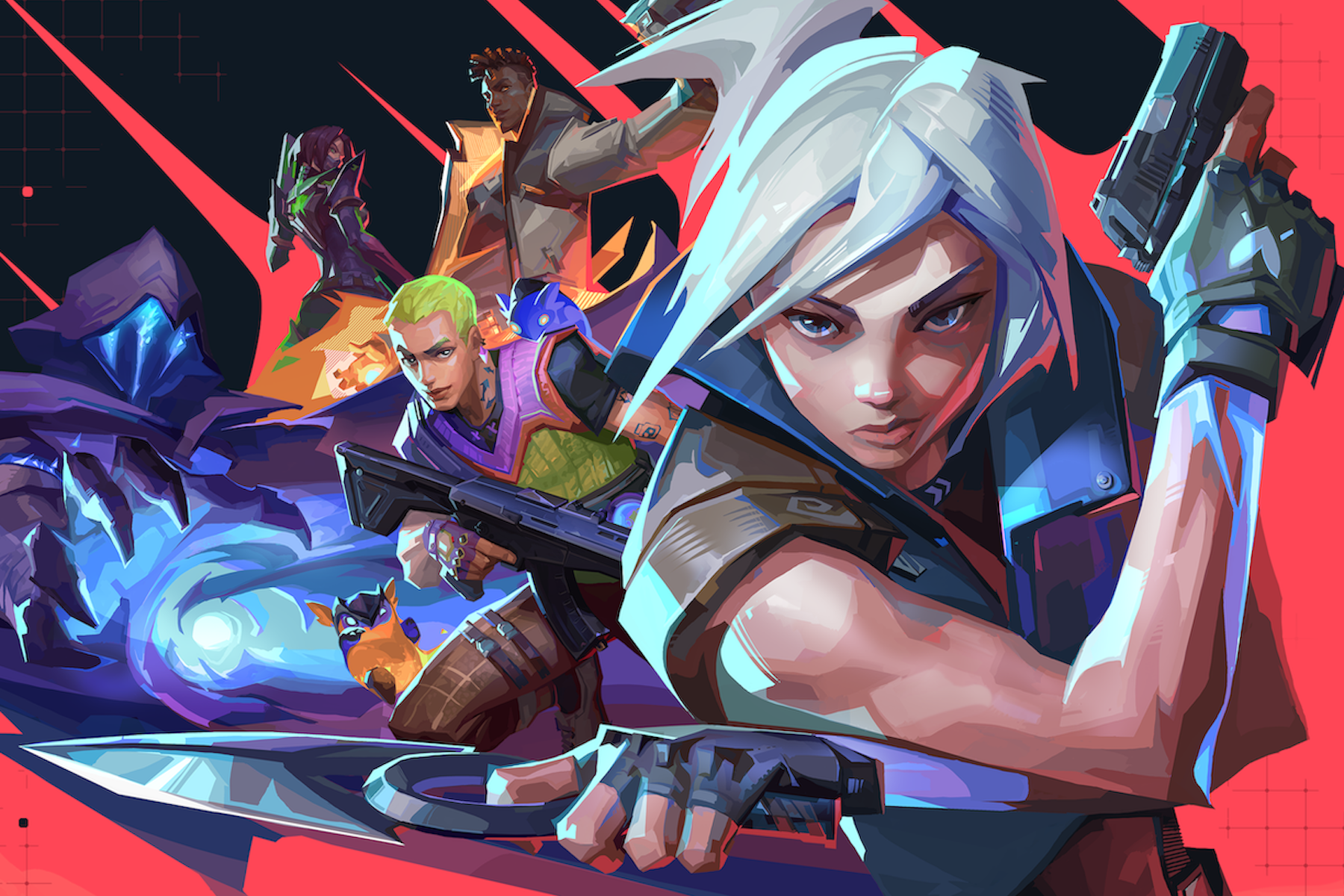
Valorant Is No Longer Just a Game — It’s Becoming a Global Competitive Culture
Introduction to Valorant Valorant has evolved from a tactical shooter into a global competitive phenomenon shaped by skill, identity, pressure, community, and modern gaming culture. For years, competitive online shooters followed predictable patterns. A new title launched. Players rushed in. Streamers created hype. The player base exploded for a few months. Then the excitement faded. Most games never survived beyond that cycle. But Valorant somehow broke the pattern. What started as another tactical FPS slowly transformed into something much larger — a digital ecosystem where competition, personality, strategy, entertainment, and social identity all merged together. Today, millions of players across the United States and around the world log in daily not just to “play a game,” but to improve, compete, socialize, and experience the emotional intensity that only a few multiplayer titles can consistently deliver. That transformation didn’t happen accidentally. And understanding why Valorant became one of the top games in the world right now reveals something much bigger about modern gaming itself. Deep Analysis: Why Valorant Became So Popular The success of Valorant cannot be explained by graphics alone. Or esports. Or streaming culture. Or competitive rankings. Its dominance comes from how effectively it combines several psychological and social factors into one experience. At its core, Valorant creates emotional investment. That investment begins with tension. Unlike many modern shooters that overwhelm players with explosions, fast respawns, and nonstop movement, Valorant slows players down. Every footstep matters. Every angle becomes dangerous. Every decision can determine the outcome of an entire round. That pressure changes how players feel while playing. A single clutch moment in Valorant often creates more adrenaline than ten chaotic moments in a traditional arcade shooter. Players remember these situations because the stakes feel personal. One missed shot can cost the round. One smart play can completely reverse momentum. This emotional rhythm is incredibly important. Modern audiences are no longer satisfied with games that simply “look fun.” Players want memorable experiences. They want moments worth talking about. They want emotional highs that feel earned. Valorant delivers those moments consistently. Another major reason for its rise is the game’s balance between mechanical skill and strategic intelligence. Some competitive games heavily reward reflexes but ignore teamwork. Others prioritize strategy but feel mechanically dull. Valorant exists between those extremes. A player with incredible aim can dominate. But communication, positioning, map awareness, utility usage, and timing remain equally important. That balance allows multiple player personalities to succeed. Aggressive players can shine through confidence and fast reactions. Methodical players can outsmart opponents through patience and planning. Support-focused players can influence rounds without needing flashy eliminations. This creates a healthier competitive ecosystem because players feel useful in different ways. According to industry reports, tactical shooters continue maintaining strong engagement because players perceive visible skill progression over time [Source: Newzoo, 2025]. Valorant benefits enormously from this principle. Players don’t simply feel entertained. They feel improved. And improvement is addictive. Practical Applications and Gameplay Lessons Players Learn One fascinating aspect of Valorant is how transferable many of its lessons become outside the game itself. At first glance, that might sound exaggerated. But spend enough time in high-level competitive matches and patterns begin to emerge. Players develop communication discipline. They learn emotional control under pressure. They understand timing, patience, adaptation, and teamwork more deeply. In many ranked matches, emotional management matters more than raw skill. A frustrated player often makes reckless decisions. A calm player usually performs more consistently. This mirrors real-world competitive environments surprisingly closely. Many experienced players eventually realize that climbing ranks is not only about aiming better. It’s about decision-making quality. Small habits become important: Checking angles carefully Managing resources wisely Staying composed after mistakes Adjusting strategies mid-game Supporting teammates during difficult rounds Over time, these habits create a stronger sense of competitive maturity. That’s part of the reason tactical games like Valorant often build deeply loyal communities. The game rewards long-term thinking rather than temporary chaos. Storytelling Through Gameplay: Why Every Match Feels Personal One of the most underrated strengths of Valorant is how naturally it creates stories. Not scripted stories. Not cinematic cutscenes. Human stories. A player misses an easy shot early in the match, loses confidence, then redeems themselves during overtime with a decisive clutch. A struggling team nearly surrenders but stages a dramatic comeback after halftime adjustments. A new player enters ranked for the first time and experiences the pressure of competitive communication. These moments matter because they feel authentic. Unlike heavily scripted gaming experiences, Valorant produces unpredictable emotional narratives every day. That unpredictability keeps players emotionally attached. Many longtime players can still remember: their first ace, their first rank promotion, their worst losing streak, or the exact round that made them fall in love with the game. Very few multiplayer games create memories with that level of emotional clarity. And in the age of streaming, social media clips, and online communities, memorable moments spread incredibly fast. That helped accelerate Valorant’s cultural growth dramatically in the US gaming scene. Source: The Evolution of Tactical Shooters in Competitive Gaming Why Competitive Games Keep Players Engaged Longer The Rise of Esports Entertainment Culture How Multiplayer Communities Influence Gaming Longevity Streaming Culture and the Growth of Online FPS Games The emotional intensity of Valorant also benefits content creators enormously. Streaming platforms thrive on suspense. And Valorant creates suspense naturally. Viewers understand instantly when a situation becomes critical: a final player alive, limited time remaining, low health, overtime pressure, tournament elimination risk. That clarity makes the game highly watchable. Many online games become visually confusing during intense moments. Valorant rarely does. The pacing allows viewers to emotionally process every situation, which increases audience retention significantly. According to esports engagement reports, tactical FPS titles maintain some of the highest average viewer watch times in competitive streaming categories [Source: Esports Charts, 2025]. That visibility continues feeding Valorant’s growth cycle. More viewers create more creators. More creators attract more players. More players strengthen the ecosystem further. Expert Insights and Common Mistakes New Players Make One of the biggest mistakes new Valorant players make is assuming the game revolves entirely around aim. It doesn’t. Mechanical skill matters enormously, but tactical understanding often separates average players from advanced competitors. Many beginners: peek too aggressively, panic during fights, waste utility, over-rotate defensively, or communicate poorly under pressure. Experienced players approach rounds differently. They gather information patiently. They anticipate enemy behavior. They understand economy management. They coordinate utility usage with teammates. These details seem small individually. But collectively, they create massive performance differences. Another common mistake is emotional inconsistency. Valorant punishes frustration heavily. A tilted player usually loses concentration quickly, which affects positioning, timing, and teamwork. High-level players understand that emotional stability directly influences performance. That’s why many competitive veterans treat mindset as part of the skill set itself. The Advanced Perspective: Valorant as a Social Identity At some point, Valorant stopped functioning solely as a multiplayer game. It became part of online identity. Players began identifying themselves through: preferred Agents, competitive ranks, playstyles, team roles, and community participation. This shift is incredibly important psychologically. When players attach personal identity to a game, engagement becomes deeper and more emotional. Someone who says: “I’m a controller main” or “I’ve been grinding for Immortal rank for years” is no longer casually consuming entertainment. They’re expressing belonging. This is one reason modern competitive games remain relevant far longer than older multiplayer titles. The community becomes part of the product itself. Valorant mastered this dynamic remarkably well. Trends, Data, and the Current State of Competitive Gaming Competitive gaming has changed dramatically over the last decade. Gaming is no longer viewed only as a hobby. For many younger audiences, it functions as: entertainment, social interaction, skill competition, content creation, and even career development. Valorant sits directly at the center of these trends. Industry analytics continue showing strong growth in esports viewership, especially among North American audiences [Source: Statista, 2025]. At the same time, multiplayer games with strong social ecosystems consistently outperform isolated single-player experiences in long-term engagement metrics. Valorant benefits from both trends simultaneously. The game also adapts constantly. New Agents. Map adjustments. Weapon balancing. Competitive updates. Seasonal events. This continuous evolution prevents stagnation. And in online gaming, stagnation is dangerous. Players today move on quickly when games stop feeling dynamic. Valorant rarely allows that feeling to settle for long. Comparing Valorant to Other Competitive Games What separates Valorant from many competitors is its balance between accessibility and mastery. Some tactical shooters feel overwhelming for beginners. Others sacrifice depth in order to attract casual players. Valorant manages to serve both audiences surprisingly effectively. New players can understand the basic objectives quickly: attack, defend, plant, defuse. But mastering the game takes years. That long-term mastery curve is critical for competitive longevity. Games with shallow skill ceilings often lose serious players quickly. Games that are too punishing struggle to attract newcomers. Valorant balances these forces carefully. It also differs from battle royale games in one important way: Consistency. Battle royale experiences often depend heavily on randomness, loot distribution, or unpredictable encounters. Valorant feels more controlled. That structure appeals strongly to players who prefer measurable improvement and tactical precision. Reference: The Psychology Behind Competitive Multiplayer Games Esports Viewer Trends and Audience Growth Report Why Team-Based Games Build Stronger Communities How Ranked Systems Influence Player Retention Modern Gaming Culture and Online Identity Formation Another important distinction is pacing. Valorant understands the value of silence and anticipation. Some of the most intense moments happen not during explosions, but during hesitation: footsteps approaching slowly, utility landing nearby, players holding impossible angles, teammates whispering information urgently. This tension creates emotional immersion few games achieve consistently. That emotional immersion is a major reason players continue returning year after year. Common Concerns and Misunderstandings Around Valorant Some critics argue that Valorant feels too difficult for casual players. There’s some truth to that. The game has a steep learning curve compared to many mainstream shooters. New players often struggle initially with: recoil control, map knowledge, utility timing, crosshair placement, and competitive pressure. However, this difficulty also creates long-term satisfaction. Easy games often lose engagement quickly because mastery arrives too fast. Valorant delays mastery intentionally. That delay gives players meaningful goals over long periods of time. Another concern involves toxicity in competitive matchmaking. Like many high-pressure multiplayer environments, communication can sometimes become negative. But experienced players increasingly emphasize constructive teamwork, emotional discipline, and healthier communication practices because they directly improve win rates. Communities also continue developing systems and social expectations that encourage better player behavior over time. The Future of Valorant and Competitive Gaming Looking ahead, Valorant appears positioned for long-term relevance rather than short-term popularity. Several factors support this: consistent esports growth, strong streaming visibility, active community culture, continuous developer updates, and global competitive expansion. More importantly, the game understands modern attention economics exceptionally well. Today’s audiences constantly search for experiences that feel: skill-based, socially rewarding, emotionally memorable, and personally meaningful. Valorant checks all four boxes. That combination is difficult to replicate. As gaming continues evolving into a hybrid of entertainment, social identity, and digital competition, games that successfully combine these elements will likely dominate future online culture. Valorant already demonstrates what that future looks like. Final Thoughts and What Comes Next Valorant became one of the top games in the world not because it followed trends — but because it understood players more deeply than most competitors. It understood the emotional power of pressure. The addictive nature of visible improvement. The importance of teamwork. The psychology of competition. And the human desire to belong somewhere meaningful. That’s why millions continue returning every day. Not simply to win matches. But to experience growth, tension, identity, connection, and unforgettable moments that feel genuinely earned. And in a digital world filled with temporary entertainment, experiences that feel earned are becoming increasingly valuable. References Newzoo. (2025). Global Esports and Live-Service Gaming Trends Report. Statista. (2025). Online Multiplayer Gaming Audience Statistics in North America. Esports Charts. (2025). FPS Streaming Engagement Analysis. Psychology Today. (2024). Competition, Motivation, and Player Retention in Online Games. GameAnalytics. (2025). Ranked Systems and Long-Term Player Behavior.
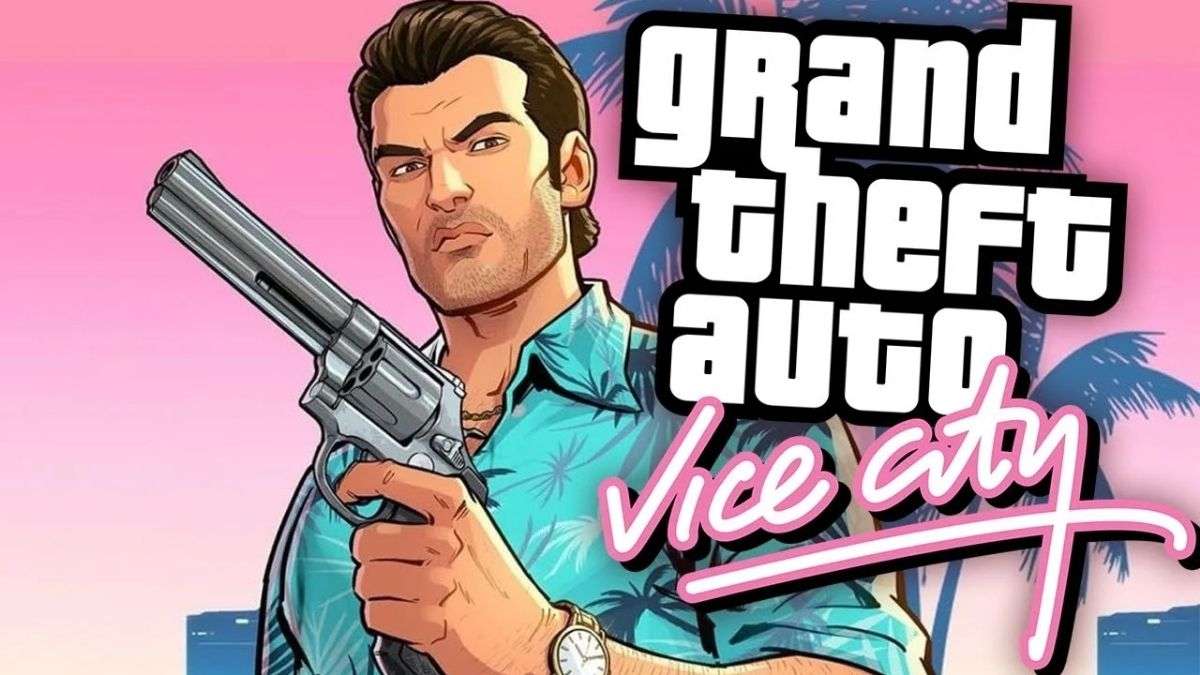
GTA Vice City: The Definitive Journey Through Crime, Freedom, and the Neon Era of Open-World Gaming
Introduction to GTA Vice City Grand Theft Auto: Vice City blends crime storytelling, open-world freedom, neon-soaked atmosphere, and unforgettable ambition into one of gaming’s most iconic experiences. Some games are remembered for mechanics. Others survive because of nostalgia. But every once in a while, a game becomes larger than entertainment itself. It becomes a mood. That’s exactly what happened with GTA Vice City. The first time players drove through neon-lit streets while music echoed across the city skyline, something clicked emotionally. The world felt dangerous, stylish, unpredictable, and strangely alive all at once. And unlike many open-world games that simply offered missions, Grand Theft Auto: Vice City offered fantasy. Not fantasy in the traditional sense of dragons or magic. But fantasy rooted in freedom, ambition, power, and reinvention. For many players across the United States, Vice City became more than a crime game. It became a digital time capsule of excess, risk, and possibility wrapped inside one of the most memorable atmospheres gaming had ever created. Even decades later, players still remember: the music, the streets, the vehicles, the colors, and the feeling of building influence inside a city that constantly tempted players toward chaos. That emotional memory is why Vice City remains legendary. Deep Analysis: Why GTA Vice City Still Feels Timeless Many older games age mechanically. Vice City survives because atmosphere carries emotional weight beyond graphics or technology. The game world feels cohesive in a way many modern open-world games still struggle to replicate. Everything supports the same emotional tone: the soundtrack, architecture, lighting, dialogue, clothing, vehicles, and pacing. This creates immersion through consistency. Players don’t simply observe Vice City. They absorb it. According to gaming immersion studies, worlds with strong thematic identity create deeper long-term emotional attachment because environmental storytelling continuously reinforces player emotion [Source: Newzoo, 2025]. Vice City demonstrates this exceptionally well. The city itself feels like a character. Bright beaches and neon lights hide violence, ambition, greed, and instability beneath the surface. That contrast creates emotional tension constantly. The world feels glamorous and dangerous simultaneously. The Psychology Behind Vice City’s Open-World Freedom One reason Vice City became culturally iconic is because it captured the emotional fantasy of reinvention. Players begin with limited influence. Over time, they slowly build: money, power, property, reputation, and control. This progression creates momentum psychologically. Every successful mission feels like another step toward ownership of the city itself. And unlike linear games, Vice City allows players to pause structured progression and simply exist inside the world: driving aimlessly, exploring neighborhoods, listening to music, causing chaos, or discovering hidden locations. That freedom creates emotional intimacy with the environment. Players begin forming personal memories attached to specific streets, beaches, clubs, and missions. The city stops feeling digital. It starts feeling familiar. Practical Strategies for Thriving in Vice City One common beginner mistake is rushing through missions too aggressively. Experienced players usually spend time learning: map layouts, safe routes, weapon locations, and escape patterns first. Vice City rewards environmental awareness heavily. Another major mistake involves poor financial management. New players often spend money impulsively without investing strategically in: property, weapons, transportation, or income-generating opportunities. Veteran players understand progression becomes dramatically smoother once economic systems stabilize. Vehicle management also matters more than many players initially realize. Certain missions become significantly easier with: faster vehicles, durable transportation, or escape-friendly positioning prepared in advance. Preparation reduces chaos enormously. Although in Vice City, chaos never disappears completely. Storytelling Through Crime, Ambition, and Atmosphere One reason Vice City remains emotionally memorable is because progression feels cinematic without becoming overly scripted. Players remember: desperate escapes, explosive betrayals, dangerous missions, and moments where everything nearly collapsed unexpectedly. The game constantly balances confidence and vulnerability. Players become stronger gradually. But danger always remains present beneath the surface. This tension gives progression emotional weight. Vice City also excels at environmental storytelling. A quiet nighttime drive across neon streets can feel strangely reflective. Meanwhile, chaotic police chases create sudden adrenaline spikes moments later. This emotional contrast keeps the experience dynamic. The world breathes through mood as much as gameplay. Source: Why Atmosphere Matters More Than Graphics in Long-Term Gaming Nostalgia The Psychology of Open-World Freedom and Escapism How Classic Sandbox Games Influenced Modern Design The Evolution of Open-World Storytelling in Gaming Why Retro Open-World Games Still Feel Emotionally Powerful Another reason Vice City remains iconic is because players remember how the game felt, not simply what they accomplished. Very few games create emotional atmosphere this consistently. That emotional memory becomes stronger than mechanics alone. Expert Insights and Common Mistakes Players Make One major mistake new players make is approaching Vice City purely as a chaotic action sandbox. Experienced players often appreciate the slower moments equally: exploration, atmosphere, music, environmental details, and pacing. These elements are central to the experience. Another common issue involves ignoring strategic preparation before missions. Vice City rewards players who: stock weapons carefully, understand geography, and anticipate escape routes before problems begin. A third mistake involves comparing older open-world design directly to modern standards without considering context. Vice City became revolutionary because it helped define emotional freedom in open-world gaming long before many current systems existed. Its influence matters historically as much as mechanically. The Advanced Perspective: Vice City as a Fantasy of Reinvention At a deeper level, Vice City functions almost like a digital fantasy about transformation. Players enter a hostile city with limited power. Slowly, they reshape their position through: ambition, risk, adaptability, and persistence. This progression creates emotional satisfaction because players visibly alter their relationship with the world itself. More money creates freedom. More property creates influence. More experience creates confidence. The city gradually responds differently to player presence. Vice City also understands pacing extraordinarily well. Moments of chaos feel stronger because quieter moments exist between them. This emotional rhythm prevents exhaustion and strengthens immersion. Trends, Data, and the Lasting Influence of Vice City Vice City helped redefine expectations for open-world games permanently. Modern sandbox experiences continue borrowing systems centered around: player freedom, emergent gameplay, environmental immersion, and atmospheric storytelling. According to gaming market analysis, nostalgia-driven engagement remains exceptionally powerful when games successfully combine emotional identity with player freedom [Source: Statista, 2025]. Vice City continues thriving culturally because it achieved both simultaneously. Streaming culture and retrospective gaming content also revived appreciation for older sandbox classics. Viewers still enjoy: discovering hidden details, revisiting iconic missions, exploring forgotten mechanics, and experiencing retro open-world storytelling again. The emotional identity of Vice City remains unusually strong across generations. Comparing Vice City to Other Open-World Games Many open-world games prioritize scale. Vice City prioritized atmosphere. That distinction matters enormously. The world may feel smaller by modern standards, but its emotional density remains exceptional. Every neighborhood feels intentional. Every soundtrack choice reinforces identity. Every mission contributes to mood. Another important difference involves pacing. Modern games often overload players with objectives constantly. Vice City allows space for: wandering, observation, improvisation, and immersion naturally. This slower pacing strengthens emotional attachment to the world itself. Vice City also balances absurdity and seriousness uniquely well. The game never feels fully realistic. Yet emotionally, the ambition and tension still feel believable. That balance creates timeless charm. Reference: The Future of Open-World Immersion and Sandbox Design How Emotional Atmosphere Increases Long-Term Player Retention Streaming Culture and the Return of Classic Open-World Games Why Nostalgia Continues Driving Retro Gaming Communities Environmental Storytelling and Emotional Memory in Gaming Another fascinating aspect of Vice City is how memory itself improves the experience over time. Players often remember fragments: neon reflections, radio music, ocean sunsets, dangerous missions, and late-night escapes. Those fragments combine into emotional nostalgia stronger than many technically superior games achieve. Common Concerns and Misunderstandings Around Vice City Some players initially assume Vice City feels outdated because of its age. In reality, many experienced players argue its atmosphere and pacing remain more emotionally distinctive than many modern open-world games. Another misconception is that the game revolves only around chaos and violence. While action certainly defines much of the gameplay, Vice City’s emotional strength comes largely from: style, mood, ambition, music, and environmental immersion. There’s also concern that nostalgia alone explains its reputation. But nostalgia rarely survives decades without meaningful emotional design underneath it. Vice City continues resonating because it created a world players genuinely enjoyed inhabiting. That distinction matters. Final Thoughts and What Comes Next Grand Theft Auto: Vice City remains legendary because it understood something many open-world games still struggle to capture: Freedom feels unforgettable when the world itself has personality. Vice City wasn’t just a map filled with missions. It was: atmosphere, music, danger, ambition, style, and emotional escapism blended together into one unforgettable experience. Every street carried possibility. Every mission carried risk. Every drive through the city felt like part of a larger personal story. And perhaps that’s the real reason Vice City still matters after all these years. Not because it was perfect. But because it made players feel like they belonged inside its chaos — even if only for a few unforgettable nights beneath neon skies. References Newzoo. (2025). Open-World Nostalgia and Player Engagement Trends. Statista. (2025). Sandbox Gaming and Retro Market Analysis in North America. Psychology Today. (2024). Escapism, Atmosphere, and Emotional Memory in Gaming. GameAnalytics. (2025). Player Retention Patterns in Open-World Sandbox Experiences. GamesIndustry.biz. (2025). The Evolution of Atmospheric Storytelling in Open-World Games.
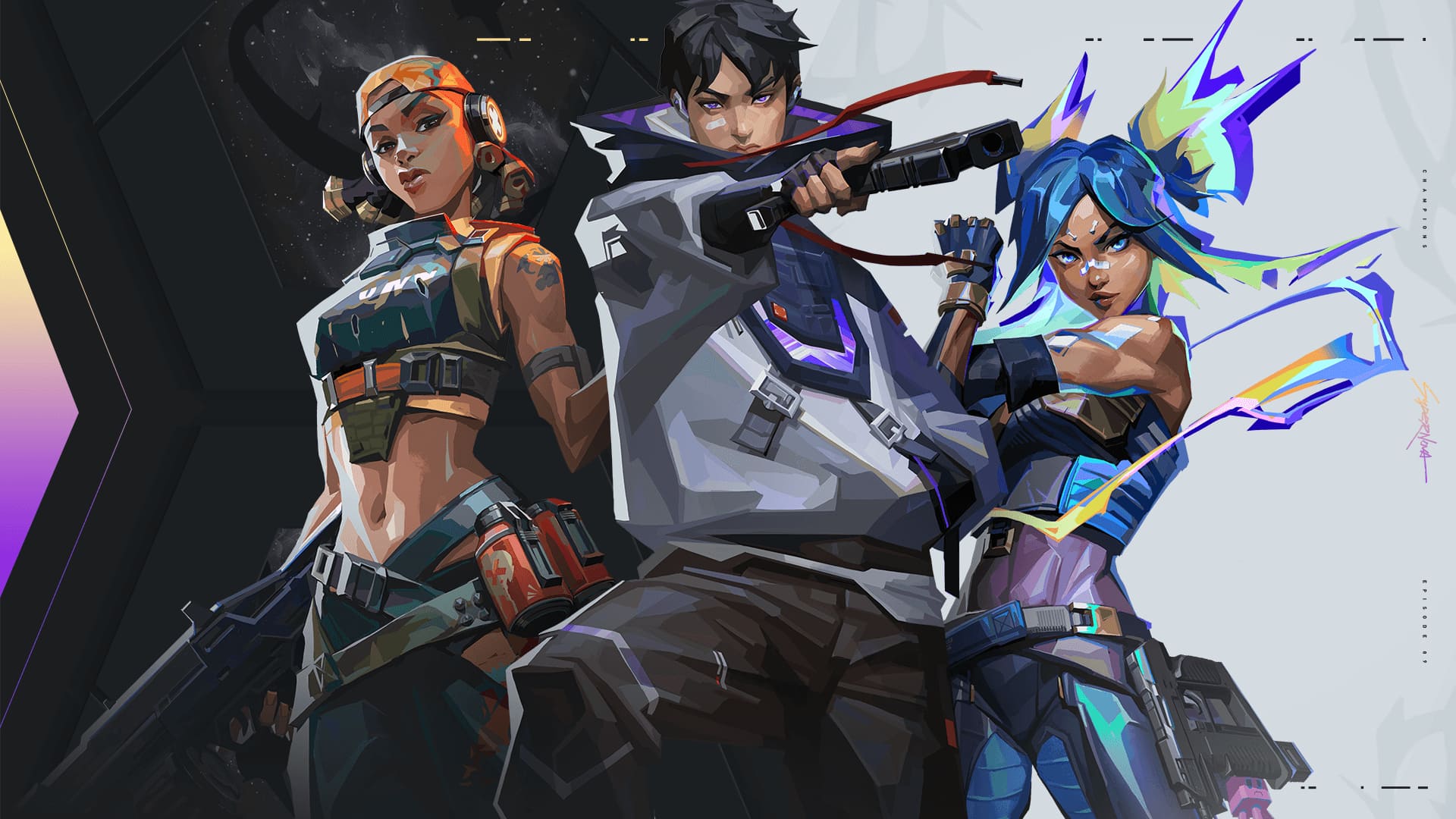
Valorant and the Tactical Revolution That Changed Competitive FPS Gaming Forever
Introduction to Valorant Valorant transformed competitive shooters through precision gunplay, strategic teamwork, unique abilities, and a tactical ecosystem built around high-pressure decision-making. Some games become popular because they are easy to play. Others succeed because they create unforgettable moments under pressure. Valorant belongs firmly in the second category. From the outside, it looks straightforward: two teams, one objective, limited rounds, precise gunfights. But the moment players enter serious matches, they quickly discover something deeper. Every movement matters. Every sound matters. Every missed shot matters. And perhaps most importantly — every decision affects four other teammates instantly. That intensity is exactly why Valorant became one of the defining competitive games of modern gaming culture. For many players across the United States, Valorant is more than a shooter. It’s a psychological battleground where strategy, mechanics, communication, patience, and emotional control collide constantly. And unlike many fast-paced shooters focused purely on reflexes, Valorant rewards something much more demanding: discipline. Deep Analysis: Why Valorant Feels Different From Traditional FPS Games Most first-person shooters reward aggression naturally. Move faster. Shoot faster. React faster. Valorant certainly rewards mechanical skill — but mechanical skill alone is rarely enough. That’s the key difference. The game combines: tactical pacing, information control, map awareness, utility management, and precise timing into a layered competitive system where small decisions create enormous consequences. A single smoke placement changes visibility. One audio cue reveals positioning. One delayed rotation can lose an entire round. This creates unusually high mental engagement. Players are constantly processing: enemy behavior, economy management, teammate positioning, utility usage, and psychological momentum simultaneously. According to esports engagement studies, tactical shooters generate exceptionally strong long-term retention because players feel improvement directly tied to personal skill development rather than randomness [Source: Newzoo, 2025]. Valorant benefits heavily from this principle. Losing often feels educational instead of arbitrary. And improvement feels measurable. The Psychology of Precision and Pressure One reason Valorant became emotionally addictive is because pressure exists in every round. Unlike respawn-focused shooters, mistakes often carry immediate consequences. This changes player psychology dramatically. Every duel feels important. Every rotation becomes meaningful. Every clutch situation creates emotional tension. That tension keeps players mentally engaged at extremely high levels. The game also rewards emotional composure. Panic leads to: rushed decisions, poor positioning, wasted utility, and mechanical inconsistency. Experienced players understand that calmness often wins more rounds than aggression. This creates a fascinating competitive environment where emotional control becomes part of gameplay skill itself. Many players initially assume Valorant is purely about aim. Over time, they realize awareness and discipline matter just as much. Practical Gameplay Strategies That Actually Improve Performance One of the most common beginner mistakes is over-peeking unnecessarily. New players often treat Valorant like traditional run-and-gun shooters, exposing themselves aggressively without information advantage. Experienced players rarely take fights blindly. They use: utility, positioning, crosshair discipline, and teammate coordination to maximize probability before committing. Another critical lesson involves economy management. Buying inefficiently creates long-term disadvantages that compound across multiple rounds. Veteran players constantly think ahead: when to save, when to force buy, when to prioritize utility, and when to sacrifice short-term power for future stability. Communication also separates average players from advanced competitors. Clear, calm information dramatically improves team performance: enemy locations, timing, rotations, utility usage, and positional awareness. Mechanical skill matters. But coordinated information wins games consistently. Storytelling Through Competitive Pressure One reason Valorant creates unforgettable memories is because matches naturally generate emotional narratives. Players remember: impossible clutch wins, overtime comebacks, devastating mistakes, perfect strategies, and intense final rounds. These moments feel meaningful because failure and success both carry emotional weight. A single round can completely shift momentum. And because matches require sustained concentration, victories feel genuinely earned. Competitive pressure transforms ordinary gameplay into personal stories. Players don’t simply remember statistics. They remember emotions: tension, panic, confidence, relief, and adrenaline. That emotional intensity helps explain why tactical shooters maintain such passionate communities. Source: Why Tactical Shooters Create Strong Competitive Engagement The Psychology of Pressure and Performance in Gaming How Competitive FPS Games Build Long-Term Communities The Evolution of Tactical Multiplayer Shooters Why Strategic FPS Games Continue Dominating Esports Another major reason Valorant succeeded is its balance between structure and unpredictability. The core rules remain consistent. But player decisions constantly create new situations. No two rounds feel identical. That unpredictability keeps competitive gameplay fresh even after thousands of matches. Expert Insights and Common Mistakes Players Make One major mistake players make is relying too heavily on aim training while neglecting game sense. Mechanical skill improves performance. But positioning, timing, and decision-making often determine outcomes more consistently. Experienced players prioritize information management heavily. Another common issue involves emotional tilt. Frustration rapidly destroys consistency in tactical shooters. Players who become emotionally reactive often: overcommit, communicate poorly, force unnecessary fights, and abandon strategy entirely. Veteran competitors understand emotional stability is a competitive advantage. A third mistake involves copying professional strategies blindly. High-level tactics often depend on: advanced coordination, communication, timing, and mechanical consistency. Effective improvement usually comes from understanding principles rather than imitating surface-level strategies mechanically. The Advanced Perspective: Why Valorant Feels So Addictive Valorant creates addictive engagement because it combines: mastery, competition, teamwork, unpredictability, and visible improvement simultaneously. Every match becomes a test of adaptation. Players constantly analyze: enemy habits, timing patterns, utility tendencies, and strategic weaknesses. This intellectual layer separates Valorant from many simpler shooters. The game also rewards long-term discipline remarkably well. Players slowly develop: better positioning instincts, stronger crosshair placement, improved patience, cleaner communication, and more controlled decision-making. That progression feels deeply satisfying because players can genuinely feel themselves improving mentally. Not just statistically. Trends, Data, and the Rise of Tactical Esports Valorant emerged during a period where competitive gaming audiences increasingly favored: strategic depth, high-skill expression, spectator-friendly gameplay, and long-term mastery systems. According to esports market reports, tactical FPS titles continue maintaining strong global engagement because they combine individual skill with team coordination effectively [Source: Statista, 2025]. Streaming culture amplified this growth significantly. Viewers enjoy: clutch moments, strategic mind games, unexpected plays, and high-pressure situations. Tactical shooters naturally create dramatic tension that translates extremely well to online audiences. Valorant also benefits from clear visual readability. Spectators can quickly understand: objectives, momentum shifts, and critical moments. That accessibility strengthened esports growth rapidly. Comparing Valorant to Other Competitive Shooters Many FPS games emphasize speed and chaos. Valorant emphasizes precision and control. That distinction changes player behavior dramatically. Some shooters reward constant aggression. Valorant often rewards restraint. Players who learn patience usually improve faster than players who rely purely on reflexes. Another important difference involves information warfare. Vision denial, audio awareness, utility usage, and positioning become just as important as direct combat itself. This creates a slower, more psychological style of competition compared to traditional arcade shooters. The result feels more mentally exhausting — but also more emotionally rewarding. Reference: The Future of Tactical FPS Esports How Competitive Games Build Emotional Investment Streaming Culture and the Growth of Competitive Shooters Why Precision-Based Gameplay Creates Stronger Retention Decision-Making and Cognitive Pressure in Competitive Gaming Another fascinating distinction involves emotional pacing. Valorant alternates between: quiet tension, explosive engagements, tactical resets, and psychological pressure continuously. That emotional rhythm creates extraordinary intensity during close matches. Common Concerns and Misunderstandings Around Valorant Some players initially assume Valorant is inaccessible because of its competitive reputation. While the learning curve is certainly demanding, improvement usually comes gradually through consistency rather than instant talent. Another misconception is that abilities overpower gunplay. In reality, abilities primarily create strategic opportunities. Mechanical precision and positioning still determine many outcomes consistently. There’s also concern around competitive pressure and burnout. Highly competitive environments can become emotionally exhausting when players tie personal identity too closely to rank progression. Experienced players often maintain healthier long-term improvement by focusing on: learning, communication, adaptability, and consistency rather than obsessing over short-term rank fluctuations. Final Thoughts and What Comes Next Valorant redefined competitive FPS gaming because it understands something fundamental about modern competition: Players don’t only want action. They want meaningful pressure. Valorant creates that pressure through: precision, teamwork, information control, strategic adaptation, and emotional discipline. Every round becomes a small psychological battle where preparation and decision-making matter just as much as raw reflexes. That balance transformed the game into more than another tactical shooter. It became a long-term test of focus, resilience, and growth. And perhaps that’s why players continue returning match after match — even after difficult losses. Because beneath the frustration, tension, and pressure exists something deeply satisfying: the feeling that every mistake can still become improvement. References Newzoo. (2025). Competitive FPS Engagement and Retention Report. Statista. (2025). Global Tactical Shooter and Esports Market Trends. Psychology Today. (2024). Pressure, Focus, and Emotional Regulation in Competitive Gaming. GameAnalytics. (2025). Player Behavior Patterns in Tactical Multiplayer Games. GamesIndustry.biz. (2025). The Evolution of Competitive FPS Design.

Roblox: Devil Hunter and the Ultimate Survival Guide to Mastering One of the Darkest Anime-Inspired Action Games Online
Introduction to Roblox: Devil Hunter Roblox and Devil Hunter combine fast-paced combat, progression systems, dangerous enemies, and dark fantasy storytelling into an intense multiplayer adventure. Some games reward speed. Others reward strategy. But every once in a while, a game becomes memorable because it creates tension — the kind that keeps players focused even during quiet moments. That’s exactly what happens inside Devil Hunter. At first, the game feels straightforward: fight enemies, gain power, unlock abilities, progress through increasingly dangerous encounters. But after a few hours, players begin noticing something deeper beneath the action. Every battle becomes a test of timing. Every upgrade choice affects survival. Every new area introduces uncertainty. And suddenly, the game stops feeling casual. It becomes personal. For many players in the United States, Devil Hunter became more than another anime-inspired Roblox experience. It became a progression-driven world built around mastery, risk, and the constant pursuit of becoming stronger against increasingly brutal opposition. Because in Devil Hunter, strength is never permanent. You either adapt — or fall behind. Deep Analysis: Why Devil Hunter Feels So Addictive One reason Devil Hunter keeps players engaged for long periods is because progression feels emotionally visible. Players begin weak. Combat feels clumsy. Enemies feel overwhelming. Then slowly, everything changes. Attacks become smoother. Movement becomes faster. Abilities become more destructive. Confidence increases. That transformation creates psychological momentum. And momentum is one of the most powerful retention systems in gaming. Unlike many simpler action games where upgrades feel cosmetic, Devil Hunter constantly reminds players that improvement changes survival probability directly. That emotional connection between growth and survivability creates deeper investment. According to gaming engagement reports, progression systems tied directly to combat mastery produce significantly stronger long-term player retention than purely passive progression loops [Source: Newzoo, 2025]. Devil Hunter reflects this design philosophy extremely well. The game rewards persistence without making success feel automatic. The Emotional Psychology of Combat Progression Combat in Devil Hunter succeeds because it balances empowerment with vulnerability. Players can become extremely strong over time. But danger never fully disappears. That balance matters psychologically. Games become boring when players feel permanently safe. They become frustrating when difficulty feels unfair. Devil Hunter maintains tension by ensuring players constantly encounter: stronger enemies, harder zones, more complex combat situations, and increasing pressure. This keeps progression emotionally meaningful. The game also benefits from visual escalation. Abilities feel stronger. Animations feel more impactful. Combat rhythm becomes faster and more fluid. These changes reinforce the emotional sensation of becoming more experienced. And because players can physically feel their gameplay improving, progression becomes satisfying beyond numerical upgrades alone. Practical Strategies and Survival Tips One of the most common beginner mistakes is focusing entirely on raw damage output. New players often assume stronger attacks automatically guarantee survival. Experienced players understand combat efficiency depends equally on: positioning, movement timing, resource management, and defensive awareness. Another major mistake involves rushing progression zones too aggressively. Many players enter difficult areas before understanding enemy behavior patterns properly. Veteran players usually study: attack timing, movement range, ability cooldowns, and environmental positioning carefully before pushing forward. Patience becomes surprisingly valuable. Resource management also plays a critical role. Players who waste abilities carelessly often struggle later during extended encounters where timing becomes essential. Efficient combat is rarely chaotic. It’s controlled. Storytelling Through Combat and Persistence One reason Devil Hunter creates memorable experiences is because progression feels earned through struggle. Players remember: their first difficult boss victory, surviving impossible encounters, unlocking game-changing abilities, or narrowly escaping dangerous situations with almost no health remaining. These moments feel meaningful because the game allows players to fail repeatedly before succeeding. And repeated failure creates emotional stakes. When victory finally happens after genuine difficulty, the emotional payoff becomes significantly stronger. This is why challenging progression systems often produce deeper long-term memories than easy reward loops. The struggle itself becomes part of the narrative. Source: Why Combat Progression Systems Keep Players Engaged The Psychology of Challenge and Reward in Gaming How Anime-Inspired Games Build Long-Term Communities The Evolution of Multiplayer Action RPG Experiences Why Difficult Games Create Stronger Emotional Attachment Another major reason Devil Hunter thrives is its community culture. Players constantly share: combat builds, farming routes, progression strategies, ability combinations, and survival advice. This creates a collaborative ecosystem where knowledge itself becomes part of progression. The game remains engaging partly because mastery always feels slightly out of reach. Expert Insights and Common Mistakes Players Make One common mistake inexperienced players make is relying too heavily on aggressive playstyles. Overcommitting during combat often leads to avoidable defeats. Experienced players understand pacing. Sometimes retreating, repositioning, or delaying abilities produces better outcomes than nonstop offense. Another mistake involves ignoring adaptability. Many beginners attempt forcing identical strategies across every encounter. Advanced players constantly adjust: movement patterns, timing, build priorities, and ability usage depending on enemy behavior. A third major issue is burnout from excessive grinding. Progression-heavy games can become exhausting when players focus entirely on efficiency. Veteran players usually balance optimization with experimentation and exploration to maintain long-term enjoyment. The Advanced Perspective: Why Devil Hunter Feels Emotionally Intense At a deeper level, Devil Hunter creates emotional engagement through uncertainty. Players never feel completely comfortable. Even stronger characters remain vulnerable if: positioning fails, timing breaks down, or enemies overwhelm them unexpectedly. This uncertainty keeps attention levels high continuously. The game also creates identity through progression. Players become attached to: specific abilities, combat styles, movement habits, and personal strategies. That personalization strengthens emotional investment because players stop viewing progression as generic advancement. Instead, they feel like they are building a unique combat identity. This transformation from “playing the game” to “developing a playstyle” dramatically increases long-term attachment. Trends, Data, and the Rise of Anime Action Experiences on Roblox The success of Devil Hunter reflects broader gaming trends happening globally. Modern players increasingly enjoy: progression-heavy combat systems, anime-inspired aesthetics, multiplayer collaboration, and long-term mastery experiences. Roblox itself evolved into a platform supporting increasingly sophisticated combat-driven games capable of maintaining massive player communities. According to gaming analytics reports, anime-inspired multiplayer experiences continue growing rapidly among younger North American audiences because they combine progression, identity expression, and social interaction effectively [Source: Statista, 2025]. Streaming culture amplified this popularity significantly. Viewers enjoy: boss fights, progression breakthroughs, difficult encounters, and high-risk gameplay moments. The emotional unpredictability creates natural entertainment. Comparing Devil Hunter to Other Roblox Action Games Many action-focused Roblox experiences prioritize spectacle over depth. Devil Hunter stands out because progression feels connected to player skill rather than visual effects alone. Another important distinction involves pacing. Some games overwhelm players immediately with constant stimulation. Devil Hunter balances: exploration, tension, progression, and combat escalation more carefully. This pacing creates stronger immersion. The game also succeeds because difficulty feels increasingly psychological over time. Later encounters challenge: patience, focus, adaptability, and emotional composure as much as mechanical execution. That complexity improves longevity significantly. Reference: The Future of Anime-Inspired Multiplayer Gaming How Progression Systems Influence Emotional Engagement Streaming Culture and the Growth of Action RPG Communities Why Difficult Multiplayer Games Retain Players Longer Player Psychology and High-Pressure Combat Systems Another fascinating distinction involves emotional rhythm. Devil Hunter alternates between: calm exploration, preparation, escalating combat, and moments of survival panic. That emotional pacing prevents gameplay from feeling repetitive despite long progression loops. Common Concerns and Misunderstandings Around Devil Hunter Some players initially assume the game revolves entirely around grinding. While progression is important, experienced players know strategy and adaptability dramatically influence success rates. Another misconception is that stronger gear automatically solves difficult encounters. In reality, timing, positioning, and movement awareness often matter just as much as raw statistics. There’s also concern around difficulty spikes frustrating new players. Interestingly, many experienced players argue those difficult moments create the strongest emotional memories because overcoming genuine challenges feels far more rewarding than effortless progression. The game succeeds partly because victory never feels guaranteed. Final Thoughts and What Comes Next Devil Hunter became one of Roblox’s most compelling action experiences because it understands something many modern games forget: Players don’t only want power. They want to earn it. The game creates emotional investment through: challenge, adaptation, progression, uncertainty, and mastery. Every difficult encounter becomes a lesson. Every defeat becomes preparation. Every victory feels personal. That emotional structure transforms ordinary combat progression into something much more memorable. And perhaps that’s why players continue returning night after night. Not simply to become stronger. But to prove they can survive worlds designed to test them constantly. References Newzoo. (2025). Action RPG Engagement and Retention Trends Report. Statista. (2025). North American Multiplayer Gaming and Anime Genre Statistics. Psychology Today. (2024). Challenge, Reward, and Emotional Motivation in Gaming. GameAnalytics. (2025). Player Behavior Patterns in Progression-Based Multiplayer Games. GamesIndustry.biz. (2025). The Evolution of Anime-Inspired Online Gaming Experiences.
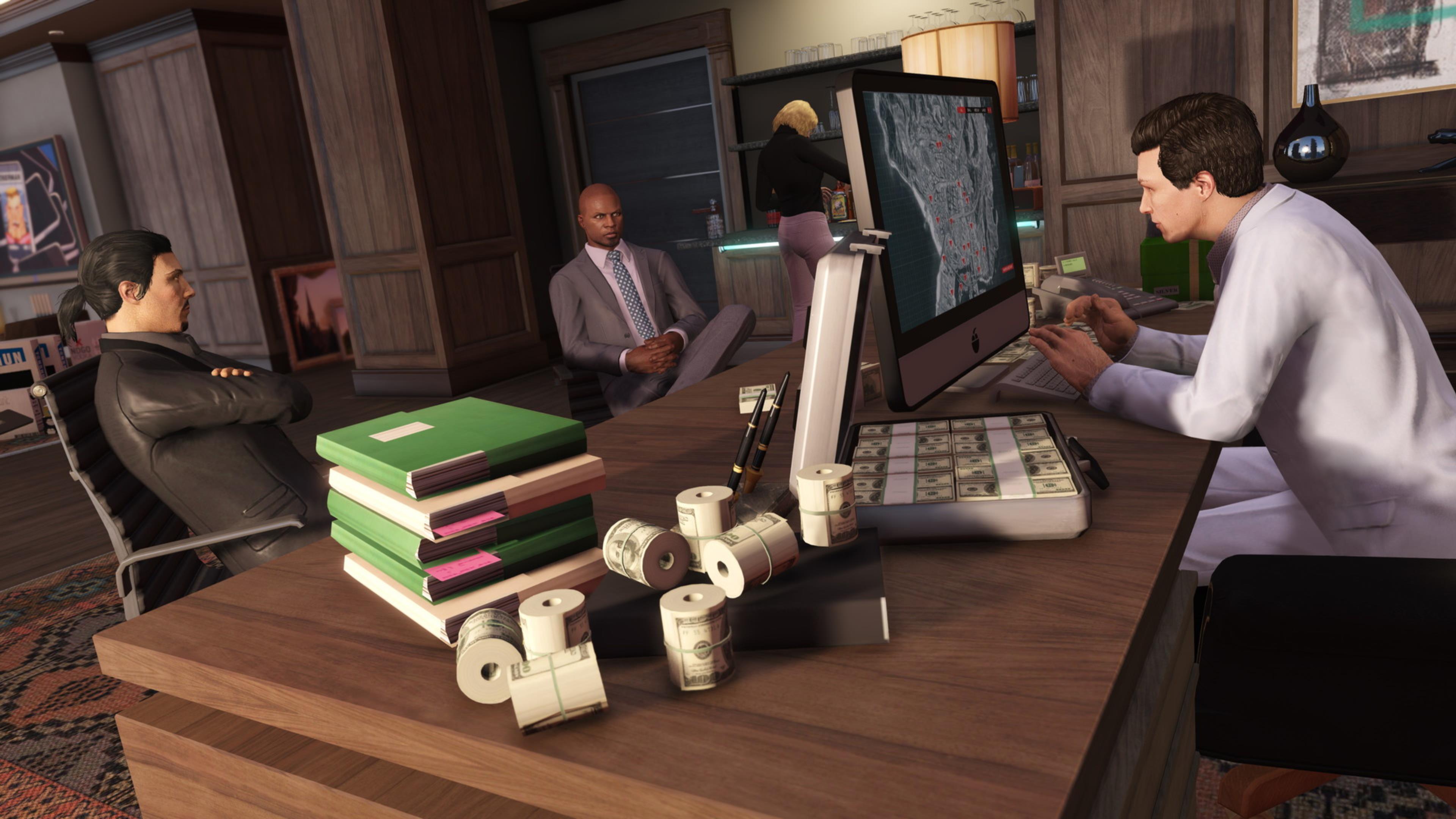
GTA V: The Ultimate Survival and Strategy Guide to Mastering Chaos, Money, and Freedom in Los Santos
Introduction to GTA V Grand Theft Auto V combines survival, strategy, exploration, risk, and freedom inside a chaotic open world driven by opportunity and unpredictability. The first time most players enter Los Santos, the world feels overwhelming. Cars race through crowded streets. Police sirens echo across highways. Money disappears faster than expected. Every mission introduces new risks. And every shortcut somehow turns into complete chaos. At first, GTA V feels like a game about destruction. But after spending enough time inside the world, players begin realizing something far more interesting: the people who truly master GTA V are rarely the most reckless players. They are the players who understand systems. They know: when to take risks, when to escape, how to build money efficiently, how to survive pressure, and how to turn chaos into opportunity. That’s why Grand Theft Auto V remains one of the most influential open-world games ever created. For many players across the United States, the game eventually becomes more than missions and explosions. It becomes a living sandbox about strategy, freedom, progression, and survival inside a world where every decision creates consequences. Deep Analysis: Why GTA V Still Feels Alive After So Many Years Most open-world games eventually feel predictable. GTA V avoids this problem because its systems constantly create unpredictable interactions. Traffic, police behavior, NPC reactions, player choices, and mission outcomes combine into a world that rarely feels completely controlled. That unpredictability keeps players mentally engaged. One moment, players are casually driving through the city. Minutes later, they’re escaping helicopters, avoiding roadblocks, or improvising survival plans after unexpected disasters. This emotional volatility creates memorable experiences naturally. According to player engagement research, open-world games maintaining emergent gameplay systems consistently produce stronger long-term retention because players generate personal stories organically [Source: Newzoo, 2025]. GTA V exemplifies this design philosophy remarkably well. The game world constantly reacts to player behavior instead of simply waiting passively for scripted actions. The Psychology Behind GTA V’s Open-World Freedom Freedom is one of GTA V’s most powerful emotional mechanics. Players can: follow missions, explore freely, earn money, customize vehicles, experiment with chaos, or simply wander through the world without urgency. That flexibility creates emotional ownership. Players begin developing personal playstyles: aggressive risk-takers, strategic grinders, collectors, racers, explorers, or business-focused players. This freedom keeps the game emotionally fresh because progression feels self-directed rather than forced. The game also balances empowerment and vulnerability effectively. Players can acquire incredible vehicles, weapons, and resources. But mistakes still create consequences: police pursuits, failed missions, financial setbacks, and dangerous encounters. That tension prevents the world from feeling emotionally flat. Practical Strategies for Surviving and Progressing Faster One of the biggest mistakes beginners make is spending money impulsively. New players often prioritize flashy purchases before building stable income systems. Experienced players usually focus first on: efficient vehicles, mission accessibility, money-making opportunities, and long-term progression tools. Financial discipline matters enormously inside GTA V. Another common issue involves unnecessary chaos during missions. While reckless behavior can feel entertaining temporarily, experienced players understand controlled aggression usually produces better outcomes. Knowing when to: escape, reposition, slow down, or avoid confrontation often determines survival success. Map awareness also becomes increasingly important. Veteran players learn: escape routes, shortcut locations, traffic behavior, and safe zones instinctively. This environmental understanding dramatically improves efficiency and survivability. Storytelling Through Chaos and Survival One reason GTA V creates unforgettable memories is because every player develops unique stories naturally. Players remember: impossible police escapes, disastrous mission failures, unexpected crashes, close survival moments, and perfectly executed heists. These experiences feel personal because they emerge organically rather than through scripted storytelling alone. A simple drive across the city can suddenly become: a chase, a disaster, a lucky escape, or an unforgettable moment of improvisation. That unpredictability gives the world emotional energy continuously. The game rarely feels static because players constantly create new narratives accidentally. Source: Why Open-World Games Create Stronger Emotional Engagement The Psychology of Freedom and Risk in Gaming How Sandbox Worlds Changed Modern Game Design The Evolution of Emergent Gameplay Systems Why Open-World Chaos Creates Memorable Experiences Another important reason GTA V remains popular is because progression never feels entirely finished. Players continuously pursue: more money, better vehicles, stronger customization, improved efficiency, and larger personal goals. That endless ambition keeps the world feeling active long after story completion. Expert Insights and Common Mistakes Players Make One major beginner mistake is treating every encounter aggressively. Experienced players know survival often depends on restraint. Avoiding unnecessary police attention or dangerous situations frequently saves more time and resources than constant confrontation. Another common mistake involves poor financial management. Many players earn money successfully but spend inefficiently on temporary excitement instead of long-term utility. Veteran players usually prioritize investments improving: mobility, mission efficiency, survivability, and income generation. A third mistake involves ignoring pacing. Some players rush through missions so quickly they miss the environmental storytelling and immersive world-building that make GTA V emotionally compelling. The game rewards observation surprisingly well. The Advanced Perspective: GTA V as a Simulation of Modern Ambition At a deeper level, GTA V functions almost like a simulation of ambition itself. Players begin with limited resources and gradually build influence through: money, skill, knowledge, risk-taking, and strategic decision-making. The world constantly tests adaptability. Unexpected problems appear constantly: failed plans, unpredictable enemies, police escalation, economic pressure, and environmental hazards. This creates dynamic tension that mirrors real psychological reward systems remarkably closely. Players become emotionally attached to progression because effort visibly changes their relationship with the world itself. Better vehicles increase freedom. More money creates opportunity. Experience improves confidence. That transformation feels deeply satisfying. Trends, Data, and the Longevity of GTA V Very few games maintain cultural relevance for as long as GTA V. Its longevity reflects larger gaming trends favoring: persistent worlds, player-driven experiences, emergent storytelling, and long-term progression systems. According to industry analytics, sandbox games featuring open-ended progression and strong social ecosystems consistently outperform heavily scripted experiences in long-term engagement [Source: Statista, 2025]. Streaming culture amplified GTA V enormously. Viewers enjoy: unexpected chaos, creative roleplay, dangerous challenges, police escapes, and high-risk gameplay moments. The game naturally generates entertaining unpredictability. This endless variability keeps content feeling fresh years after release. Comparing GTA V to Other Open-World Games Many open-world games focus heavily on structured narratives. GTA V succeeds because it balances: scripted storytelling, player freedom, systemic chaos, and emergent gameplay simultaneously. Another important distinction involves emotional pacing. Some games maintain constant intensity. GTA V alternates naturally between: calm exploration, strategic planning, high-speed action, and moments of pure unpredictability. This emotional rhythm prevents fatigue and improves immersion. The game world also feels unusually reactive. Traffic systems, NPC behavior, police responses, and environmental interactions constantly create situations players cannot fully predict. That unpredictability creates authenticity. Reference: The Future of Sandbox Open-World Gaming How Freedom-Based Games Improve Player Retention Streaming Culture and the Rise of Emergent Gameplay Why Open-World Chaos Creates Stronger Emotional Memories Decision-Making and Risk Psychology in Gaming Another fascinating distinction involves emotional ownership. Players rarely remember GTA V purely because of missions. They remember: personal escapes, failed plans, accidental disasters, creative improvisation, and moments where survival depended entirely on quick thinking. Those experiences create emotional memories far stronger than scripted objectives alone. Common Concerns and Misunderstandings Around GTA V Some players initially assume GTA V is only about chaos and destruction. In reality, experienced players often approach the game strategically: managing resources, optimizing progression, planning missions, and balancing risk carefully. Another misconception is that the game becomes repetitive over time. Ironically, GTA V often becomes more interesting as players gain familiarity with: systems, shortcuts, money strategies, and emergent gameplay possibilities. There’s also concern around burnout from excessive grinding or repetitive progression loops. Veteran players usually maintain enjoyment longer by balancing: structured goals, exploration, experimentation, and spontaneous gameplay together. The sandbox works best when players allow unpredictability to remain part of the experience. Final Thoughts and What Comes Next Grand Theft Auto V continues dominating gaming culture because it understands something deeply important about player psychology: Freedom becomes meaningful when the world reacts to it. GTA V creates emotional investment through: unpredictability, progression, risk, survival, and personal storytelling. Every mistake creates consequences. Every success creates momentum. Every session feels capable of producing something unexpected. That dynamic energy keeps the world alive years after release. And perhaps that’s the real reason players continue returning to Los Santos. Not because the city feels safe. But because it never truly feels predictable. References Newzoo. (2025). Open-World Gaming Engagement and Retention Report. Statista. (2025). Sandbox Gaming Market Trends in North America. Psychology Today. (2024). Risk, Freedom, and Emotional Motivation in Gaming. GameAnalytics. (2025). Player Behavior Patterns in Open-World Sandbox Games. GamesIndustry.biz. (2025). The Evolution of Emergent Gameplay Systems in Modern Gaming.

GTA V Online and the Art of Building Wealth in a World That Never Stops Moving
Introduction to GTA V Grand Theft Auto V continues defining online sandbox gaming through immersive progression, player-driven economies, strategic grinding systems, and endlessly evolving multiplayer experiences. There’s a moment almost every GTA Online player remembers. Usually, it happens early. You open the map, look at luxury apartments, expensive vehicles, advanced businesses, flying vehicles, hidden missions, and massive opportunities — then check your in-game bank account and realize you can barely afford ammunition. That moment changes how players see the game. Because GTA Online is not simply an action sandbox. It’s an economy. And understanding that economy changes everything. For many players in the United States, the real long-term challenge inside GTA V isn’t surviving police chases or completing missions anymore. It’s learning how to balance time, efficiency, risk, investment, and progression inside a multiplayer world designed around constant ambition. Some players spend weeks struggling financially. Others quietly build systems that generate millions consistently. The difference usually isn’t luck. It’s strategy. And over time, mastering the grind economy becomes one of the most fascinating parts of the GTA Online experience itself. Deep Analysis: Why GTA Online’s Economy Feels So Addictive The brilliance of GTA Online’s economy lies in how naturally it mimics emotional behavior found in real-world progression systems. At first, players chase survival: cheap weapons, basic vehicles, small apartments, simple missions. But eventually, the focus shifts toward optimization. Players begin asking: Which business generates the best passive income? Which activities waste time? What investments create long-term efficiency? Which vehicles improve productivity? How can grinding become smoother instead of exhausting? This psychological evolution is extremely important. Because GTA Online doesn’t simply reward money. It rewards momentum. Once players experience efficient progression for the first time, their relationship with the game changes dramatically. A business that once felt expensive suddenly becomes an income source. A useful vehicle becomes a time-saving tool. A smarter grinding route reduces frustration significantly. That feeling of gradually building financial power creates long-term emotional engagement. According to multiplayer engagement reports, progression systems tied to visible economic advancement consistently produce stronger retention patterns than purely cosmetic progression alone [Source: Newzoo, 2025]. GTA Online demonstrates this principle exceptionally well. The Psychology Behind the Grind Economy Many players initially misunderstand grinding. They assume it means repeating boring tasks endlessly. But experienced GTA Online players often approach grinding differently. Efficient grinding becomes less about repetition and more about rhythm. The game rewards players who: manage cooldowns intelligently, combine activities strategically, optimize travel routes, and balance active income with passive systems. Over time, experienced players stop thinking like casual spenders. They begin thinking like operators. That shift creates surprisingly satisfying progression. The economy transforms from overwhelming chaos into a puzzle players slowly learn how to solve. And solving systems is emotionally rewarding. Especially in open-world games where freedom exists alongside financial pressure, players often become deeply attached to economic progression because it directly affects personal freedom inside the game world. More income means: better mobility, faster missions, safer grinding, stronger defenses, and greater independence. That emotional connection between money and freedom is one reason GTA Online remains engaging years after release. Practical Grinding Strategies That Actually Matter One common mistake beginners make is chasing expensive luxury items too early. Fast cars and flashy purchases feel exciting initially, but experienced players usually prioritize utility first. Efficient investments often include: businesses generating passive income, mission-efficient vehicles, transportation upgrades, and properties that unlock better activities. This creates financial acceleration over time. Another important principle involves diversification. Relying on only one income source often slows progression significantly. Veteran players usually rotate between: active missions, passive businesses, timed activities, and cooperative jobs. This reduces burnout while maximizing efficiency. Time management also matters more than most players realize. Grinding becomes exhausting when sessions lack structure. Experienced players often enter sessions with clear goals: complete specific deliveries, refill supplies, rotate cooldowns, or optimize profitable activities during bonus events. That structure dramatically improves long-term progression. Storytelling Through Progression and Persistence One reason GTA Online remains emotionally memorable is because progression feels personal. Players remember: buying their first apartment, surviving early public lobbies, completing difficult missions with almost no resources, or finally purchasing dream vehicles after weeks of grinding. These moments matter because they represent effort. Unlike games where rewards arrive instantly, GTA Online often requires patience and adaptation. That delay creates stronger emotional attachment. Many veteran players can still remember periods when: every mission felt financially important, losing cargo felt devastating, or simple upgrades completely transformed efficiency. The grind becomes part of the story itself. And because every player progresses differently, personal journeys feel unique. Source: Why Progression Economies Keep Multiplayer Games Engaging The Psychology Behind Reward Systems in Gaming How Sandbox Economies Influence Player Retention The Evolution of Online Open-World Gaming Systems Why Multiplayer Grinding Systems Remain Popular Another fascinating aspect of GTA Online’s economy is how community knowledge evolved around efficiency. Players constantly share: optimized grinding routes, business comparisons, mission strategies, investment priorities, and income calculations. The community essentially created an informal economic culture around the game. That collaborative knowledge-sharing helped extend the game’s lifespan dramatically. Expert Insights and Common Grinding Mistakes One major mistake inexperienced players make is confusing activity with productivity. Being constantly busy doesn’t necessarily mean earning efficiently. Experienced players prioritize value per hour rather than random activity volume. Another mistake involves over-investing emotionally in public lobby conflicts. Some players lose hours reacting to griefers, unnecessary fights, or distractions that generate little meaningful progression. Veteran grinders usually stay focused on long-term goals. They understand that emotional discipline directly improves financial efficiency. A third common issue is burnout. Grinding systems become unhealthy when players treat progression like obligation rather than entertainment. Experienced players often rotate activities intentionally: mixing missions, exploration, social sessions, and casual gameplay between grind-focused periods. Maintaining enjoyment is critical for long-term engagement. The Advanced Perspective: GTA Online as a Digital Capitalist Sandbox At a deeper level, GTA Online functions almost like a simulation of ambition itself. Players begin with limited resources and gradually build influence through: investment, efficiency, networking, strategic decision-making, and calculated risk. That structure mirrors real-world economic psychology surprisingly closely. Players experience: delayed gratification, investment returns, opportunity costs, resource management, and scaling systems. This is one reason grinding feels emotionally satisfying despite repetition. Progress feels earned because systems reward consistency rather than randomness alone. The economy also creates identity. Some players become: traders, collectors, racers, business-focused grinders, heist specialists, or chaos-driven opportunists. That flexibility strengthens emotional attachment because players define personal success differently. Trends, Data, and the Evolution of GTA Online Few online games maintain relevance for as long as GTA Online. Its longevity comes largely from continuous evolution: new businesses, new activities, economic balancing, updated vehicles, seasonal events, and multiplayer expansions. This constant adaptation prevents stagnation. According to digital gaming analytics, live-service games maintaining active economic ecosystems consistently outperform static multiplayer models in long-term engagement [Source: Statista, 2025]. GTA Online became one of the clearest examples of this trend. Streaming culture amplified the experience even further. Viewers enjoy: massive heists, economic challenges, grinding experiments, chaotic multiplayer interactions, and high-risk missions. The unpredictability of online lobbies creates natural entertainment continuously. Comparing GTA Online’s Economy to Other Multiplayer Systems Many multiplayer games rely heavily on linear progression. GTA Online feels different because it combines: freedom, economic strategy, sandbox gameplay, and player-driven pacing simultaneously. Some games reward only combat skill. Others focus purely on loot collection. GTA Online blends multiple progression paths together. Players can: focus on businesses, specialize in heists, collect vehicles, dominate races, trade strategically, or simply create personal financial empires. This flexibility broadens long-term appeal significantly. Another important distinction involves emotional pacing. The game balances high-intensity moments with slower financial planning and strategic decision-making. That variety prevents progression from feeling one-dimensional. Reference: The Future of Multiplayer Game Economies How Online Progression Systems Influence Player Behavior Why Sandbox Games Create Stronger Emotional Investment Streaming Culture and Long-Term Multiplayer Retention The Psychology of Grinding and Reward Cycles in Gaming Another critical difference involves personal storytelling. In GTA Online, progression becomes autobiographical. Players remember: financial struggles, breakthrough investments, disastrous mistakes, lucky escapes, and cooperative victories with friends. These experiences create emotional memories far beyond simple mission completion. Common Concerns and Misunderstandings About Grinding Some players criticize grinding systems as repetitive or exhausting. That criticism is understandable when progression lacks variety. However, many experienced players argue the economy becomes significantly more enjoyable once players learn efficiency and pacing properly. Another misconception is that wealth alone guarantees enjoyment. In reality, many long-term players discover that the most memorable period often happens during early and mid-game progression — when every decision feels meaningful. There’s also debate about balancing fun versus optimization. Some players become so focused on maximum efficiency that they unintentionally remove spontaneity from the experience. Veteran players often balance profitability with enjoyment intentionally. Because ultimately, sustainability matters more than short bursts of extreme grinding. Final Thoughts and What Comes Next Grand Theft Auto V continues thriving because GTA Online understands something many multiplayer games overlook: Progress feels more meaningful when players build it themselves. The grind economy is not simply about earning virtual currency. It’s about: creating momentum, unlocking freedom, mastering systems, adapting strategies, and watching effort slowly transform into independence. That emotional progression keeps millions of players invested years after release. And perhaps that’s the real secret behind GTA Online’s longevity. The world never truly stops moving. There’s always: another opportunity, another investment, another mission, another risk, another goal waiting on the map. And for players willing to learn the rhythm of the economy, the grind eventually stops feeling like work. It starts feeling like ownership. References Newzoo. (2025). Multiplayer Progression and Retention Trends Report. Statista. (2025). North American Live-Service Gaming Market Analysis. Psychology Today. (2024). Reward Cycles, Motivation, and Gaming Behavior. GameAnalytics. (2025). Economic Systems and Player Engagement in Online Games. GamesIndustry.biz. (2025). The Evolution of Persistent Multiplayer Economies.