


Introduction to GTA VI
Grand Theft Auto VI represents a major evolution in immersive storytelling, open-world realism, player freedom, and next-generation gaming expectations worldwide.
Some games arrive quietly and disappear within months.
Others redefine entire genres.
GTA VI already feels destined for the second category — and the remarkable part is that millions of players reached that conclusion long before the game officially arrives.
That level of anticipation rarely happens by accident.
For years, players across the United States and around the world have discussed every possible detail surrounding GTA VI:
the setting,
the map,
the characters,
the realism,
the scale,
the technology,
and perhaps most importantly —
the feeling players expect to experience once they finally enter its world.
Because at its core, the excitement around GTA VI isn’t only about graphics or gameplay mechanics.
It’s about possibility.
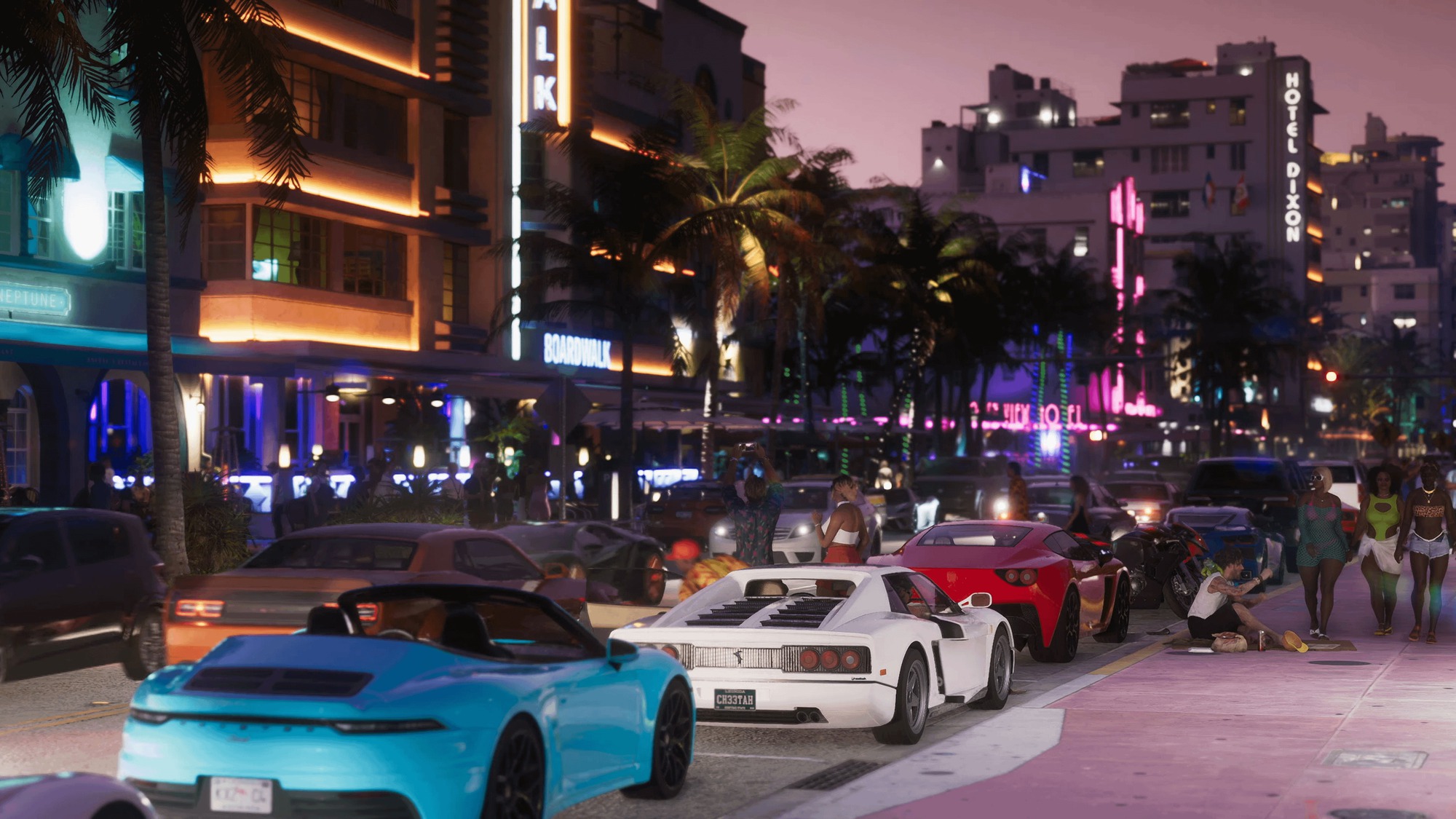
The possibility of stepping into a living digital world that feels more immersive, reactive, emotional, and believable than anything players have experienced before.
And in modern gaming, immersion has become one of the most valuable forms of entertainment.
Deep Analysis: Why GTA VI Carries Unprecedented Expectations
Every major gaming generation eventually produces one title that becomes larger than gaming itself.
Not simply because of sales.
Not because of marketing.
But because audiences collectively project enormous emotional expectations onto it.
Grand Theft Auto VI has reached that point.
The reason is deeply connected to how previous open-world games changed player psychology over time.
Years ago, open-world design mainly focused on scale.
Large maps impressed players.
Freedom felt revolutionary.
But today, audiences expect more.
Modern players want worlds that:
-
react intelligently,
-
evolve dynamically,
-
feel socially believable,
-
and create unscripted moments naturally.
That’s where GTA VI enters the conversation.
Players no longer expect merely a bigger city.
They expect a world that behaves like a functioning ecosystem.
This shift matters enormously.
According to interactive entertainment reports, player immersion and environmental realism now influence engagement levels more heavily than graphical fidelity alone [Source: Newzoo, 2025].
In other words:
players increasingly remember experiences rather than technical specifications.
That’s why anticipation around GTA VI feels emotional instead of purely technical.
People want to feel transported again.
The Emotional Weight of Open-World Freedom
One reason the GTA franchise became culturally iconic is because it mastered something few games achieve consistently:
the illusion of unrestricted freedom.
Even when players followed missions, the surrounding world still felt alive independently.
You could ignore objectives entirely.
Drive endlessly at night.
Explore random neighborhoods.
Cause chaos.
Or simply exist quietly inside the environment.
That freedom created emotional immersion.
Players began forming personal memories instead of only completing designed content.
GTA VI carries the burden of evolving that feeling further.
Today’s audiences expect:
-
smarter AI behavior,
-
reactive environments,
-
more believable social systems,
-
dynamic weather,
-
evolving city activity,
-
and emergent interactions that feel unscripted.
The challenge is no longer creating a large world.
The challenge is creating a world players emotionally believe in.
And that difference defines the future of open-world gaming.
Practical Insights: What Players Truly Want From GTA VI
Despite endless discussions about graphics and map size, many experienced players care more about immersion quality than raw scale.
A world becomes memorable when small details feel authentic:
-
pedestrians reacting naturally,
-
traffic patterns changing dynamically,
-
environments evolving over time,
-
NPC conversations feeling contextual,
-
and exploration rewarding curiosity.
Modern audiences notice these details immediately.
Interestingly, some of the strongest emotional moments in open-world games often happen outside major story missions.
Players remember:
-
unexpected encounters,
-
quiet exploration,
-
environmental discoveries,
-
spontaneous chaos,
-
and random moments that felt uniquely personal.
That unpredictability creates emotional ownership.
And emotional ownership dramatically increases long-term engagement.
GTA VI enters an industry where players increasingly value worlds that generate personal stories rather than simply delivering scripted content.
Storytelling Expectations in Modern Open-World Games
Narrative expectations surrounding GTA VI have also evolved significantly.
Players today want stories that feel emotionally grounded rather than purely cinematic.
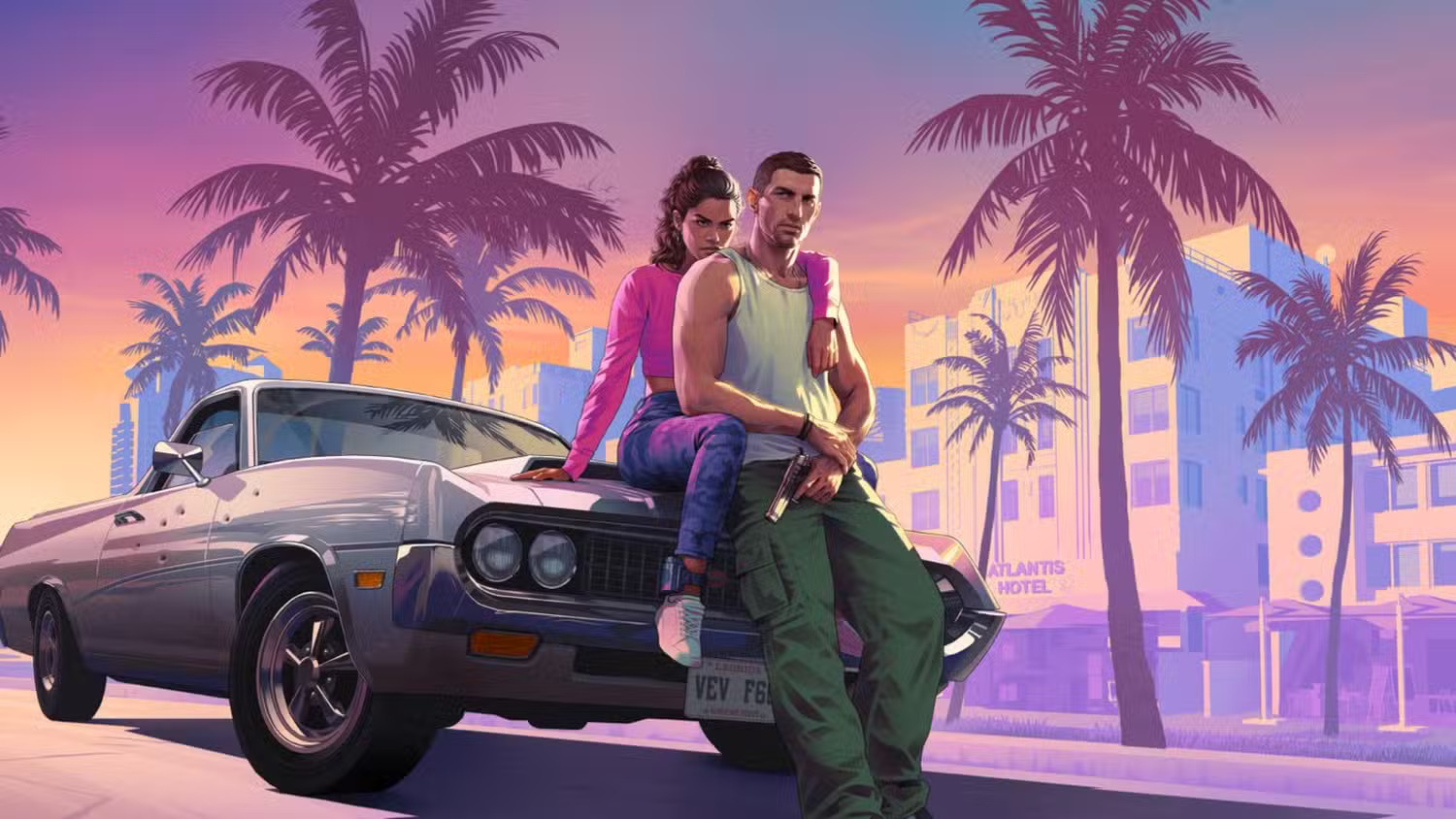
Flawed protagonists.
Complicated motivations.
Moral ambiguity.
Human vulnerability.
These qualities resonate far more strongly with modern audiences than perfectly heroic characters.
Previous GTA titles often balanced:
-
satire,
-
crime drama,
-
humor,
-
social commentary,
-
and emotional conflict simultaneously.
Many players now expect GTA VI to deepen that balance even further.
Especially in the United States, where storytelling-driven gaming experiences strongly influence mainstream gaming culture, audiences increasingly want narratives that feel socially believable rather than exaggerated purely for spectacle.
That expectation creates a unique challenge:
players want realism without losing entertainment value.
Very few franchises attempt balancing both at this scale.
Source:
One fascinating aspect of GTA VI’s anticipation cycle is how deeply online communities participate in shaping expectations collectively.
Players analyze trailers frame by frame.
Discuss environmental details obsessively.
Debate mechanics, realism systems, and map theories.
This community-driven speculation creates emotional investment long before release.
At some point, anticipation itself becomes part of the entertainment experience.
Expert Insights and Common Misunderstandings
One common misunderstanding is assuming GTA VI must revolutionize every aspect of gaming simultaneously.
That expectation is unrealistic for any game.
Technological improvements matter, but meaningful innovation often comes from smaller systemic details:
-
AI responsiveness,
-
world interactivity,
-
animation quality,
-
pacing,
-
and environmental immersion.
Another mistake involves focusing entirely on graphical realism.
Visual quality certainly matters.
But players rarely remember games purely because textures looked impressive.
They remember feelings:
-
immersion,
-
tension,
-
unpredictability,
-
discovery,
-
and emotional attachment to the world itself.
Experienced players increasingly understand that immersion is psychological, not purely visual.
A believable world feels alive because systems interact naturally — not only because graphics appear realistic.
The Advanced Perspective: GTA VI as a Cultural Benchmark
At this stage, GTA VI functions less like a product and more like a cultural benchmark.
Its release will likely influence:
-
open-world design trends,
-
streaming culture,
-
multiplayer expectations,
-
player immersion standards,
-
and future AAA development priorities.
Very few games carry this level of influence before launch.
That influence exists because previous GTA titles reshaped player expectations historically.
After earlier GTA releases, many open-world games began adopting:
-
sandbox freedom,
-
environmental interactivity,
-
cinematic storytelling,
-
and emergent gameplay systems.
Now the industry watches again.
Developers, players, streamers, and analysts all want to see what the next major leap in open-world immersion might look like.
That collective curiosity explains why discussions around GTA VI feel unusually intense.
Trends, Data, and the Current State of Open-World Gaming
Gaming audiences have evolved dramatically over the past decade.
Today’s players increasingly prioritize:
-
immersion,
-
personalization,
-
exploration,
-
social storytelling,
-
and emotionally reactive environments.
According to global gaming analytics reports, open-world titles continue dominating long-session engagement metrics because they encourage player-generated experiences rather than purely scripted progression [Source: Statista, 2025].
Streaming culture accelerated this trend even further.
Viewers enjoy unpredictability:
-
random encounters,
-
AI reactions,
-
unscripted chaos,
-
social interactions,
-
and emergent gameplay moments.
Open-world games capable of producing endless unique situations maintain stronger long-term visibility online.
That’s one reason GTA VI’s expectations became so massive.
Players anticipate not just a game — but an ecosystem of shareable experiences.
Comparing GTA VI Expectations to Other Open-World Titles
Many open-world games emphasize scale.
Others prioritize realism.
Some focus heavily on storytelling.
Players expect GTA VI to combine all three simultaneously.
That combination is extraordinarily difficult.
Some games create beautiful worlds that feel emotionally empty.
Others deliver strong stories but limited freedom.
Some provide chaos but lack immersion depth.
The GTA franchise historically succeeded because it balanced:
-
freedom,
-
atmosphere,
-
storytelling,
-
humor,
-
and unpredictability remarkably well.
Another key difference involves cultural memory.
Many players associate previous GTA experiences with specific periods of their lives:
late-night exploration,
multiplayer chaos with friends,
discovering hidden mechanics,
or simply losing hours inside a believable digital city.
Those memories increase emotional expectations for GTA VI dramatically.
Players are not only hoping for technical advancement.
They are hoping to recreate feelings they remember emotionally.
Reference:
Another important distinction involves emotional pacing.
Modern audiences increasingly appreciate games that allow moments of stillness between action.
Quiet exploration.
Environmental atmosphere.
Unexpected discoveries.
These slower moments often create stronger immersion than nonstop stimulation.
Players expect GTA VI to understand this emotional rhythm deeply.
Common Concerns and Discussions Around GTA VI
Some players worry expectations have become impossibly high.
That concern is understandable.
Years of speculation naturally create idealized visions inside people’s minds. No game can perfectly match every rumor, theory, or imagined feature simultaneously.
Another discussion involves realism balance.
Players want believable worlds — but they also want fun.
Too much realism can reduce pacing and accessibility.
Too little realism weakens immersion.
Finding that balance may become one of GTA VI’s most important design challenges.
There are also broader concerns about the future of open-world games generally.
As worlds become larger and more detailed, some players worry developers may prioritize scale over meaningful interaction.
This is why environmental depth matters more now than map size alone.
Final Thoughts and What Comes Next
Grand Theft Auto VI represents more than another sequel.
It represents the next major test of what open-world gaming can emotionally become.
Players no longer want worlds that simply look impressive.
They want worlds that feel alive.
Reactive.
Unpredictable.
Personal.
That emotional expectation explains why anticipation surrounding GTA VI feels so unusually powerful.
People are not merely waiting for another game release.
They are waiting for a new experience capable of surprising them again in an industry where surprise has become increasingly rare.
And perhaps that’s the most fascinating part of all.
Long before players officially enter the world of GTA VI, millions have already imagined what it might feel like to live inside it.
References
-
Newzoo. (2025). Global Open-World Gaming Engagement Report.
-
Statista. (2025). Open-World Gaming Market Trends in North America.
-
Psychology Today. (2024). Immersion, Anticipation, and Emotional Investment in Gaming.
-
GameAnalytics. (2025). Player Behavior in Sandbox and Open-World Games.
-
GamesIndustry.biz. (2025). The Future of AAA Open-World Design.