
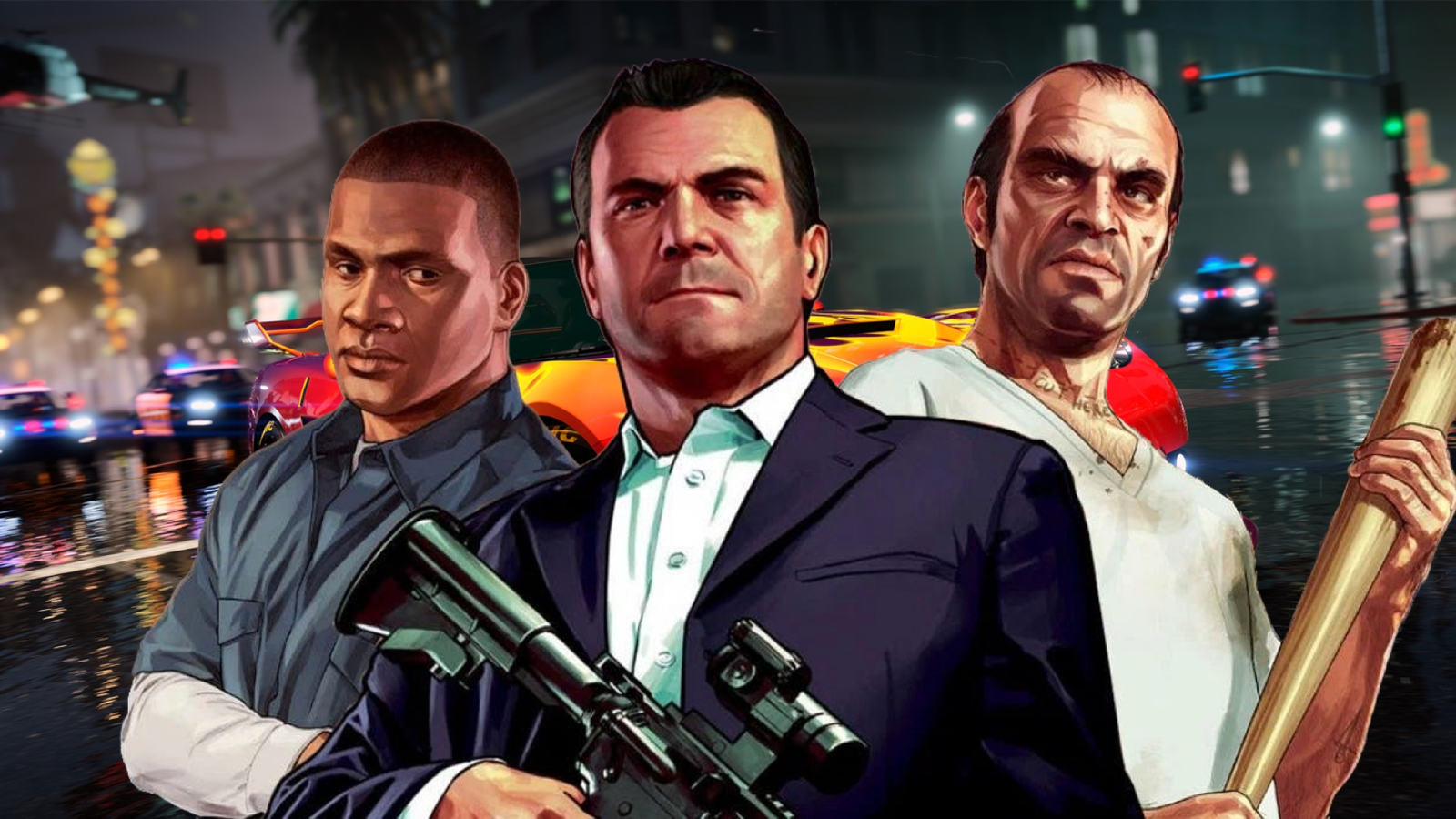
Introduction to GTA Vice City
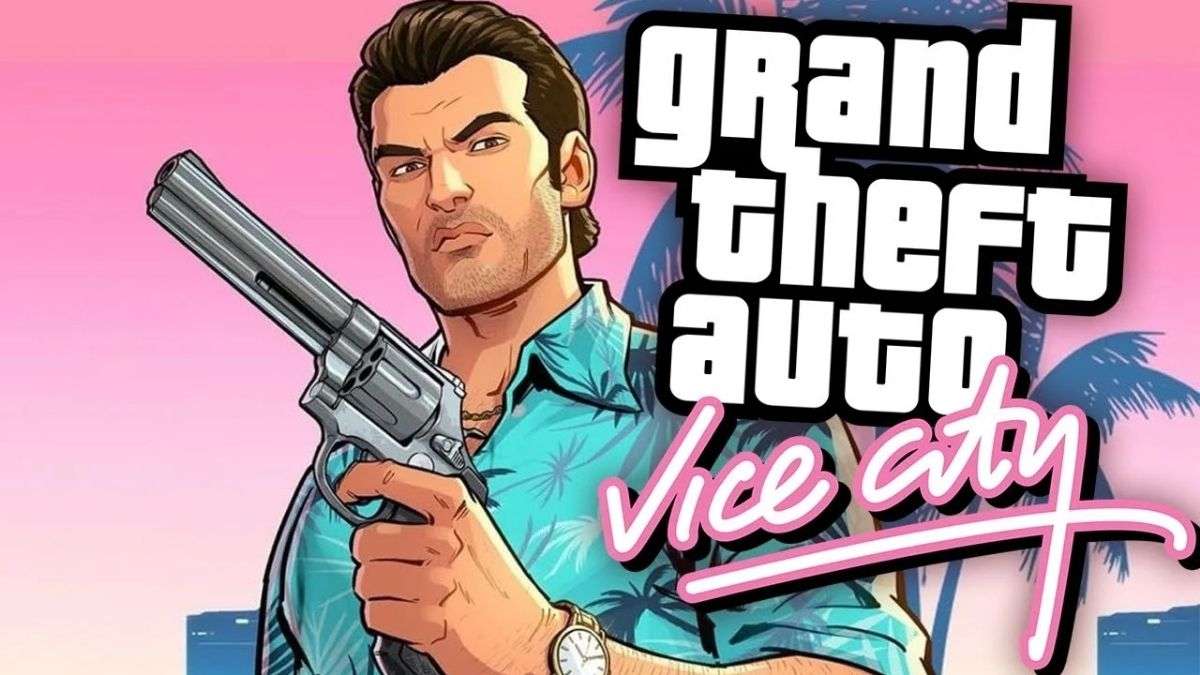
Grand Theft Auto: Vice City blends crime storytelling, open-world freedom, neon-soaked atmosphere, and unforgettable ambition into one of gaming’s most iconic experiences.
Some games are remembered for mechanics.
Others survive because of nostalgia.
But every once in a while, a game becomes larger than entertainment itself.
It becomes a mood.
That’s exactly what happened with GTA Vice City.
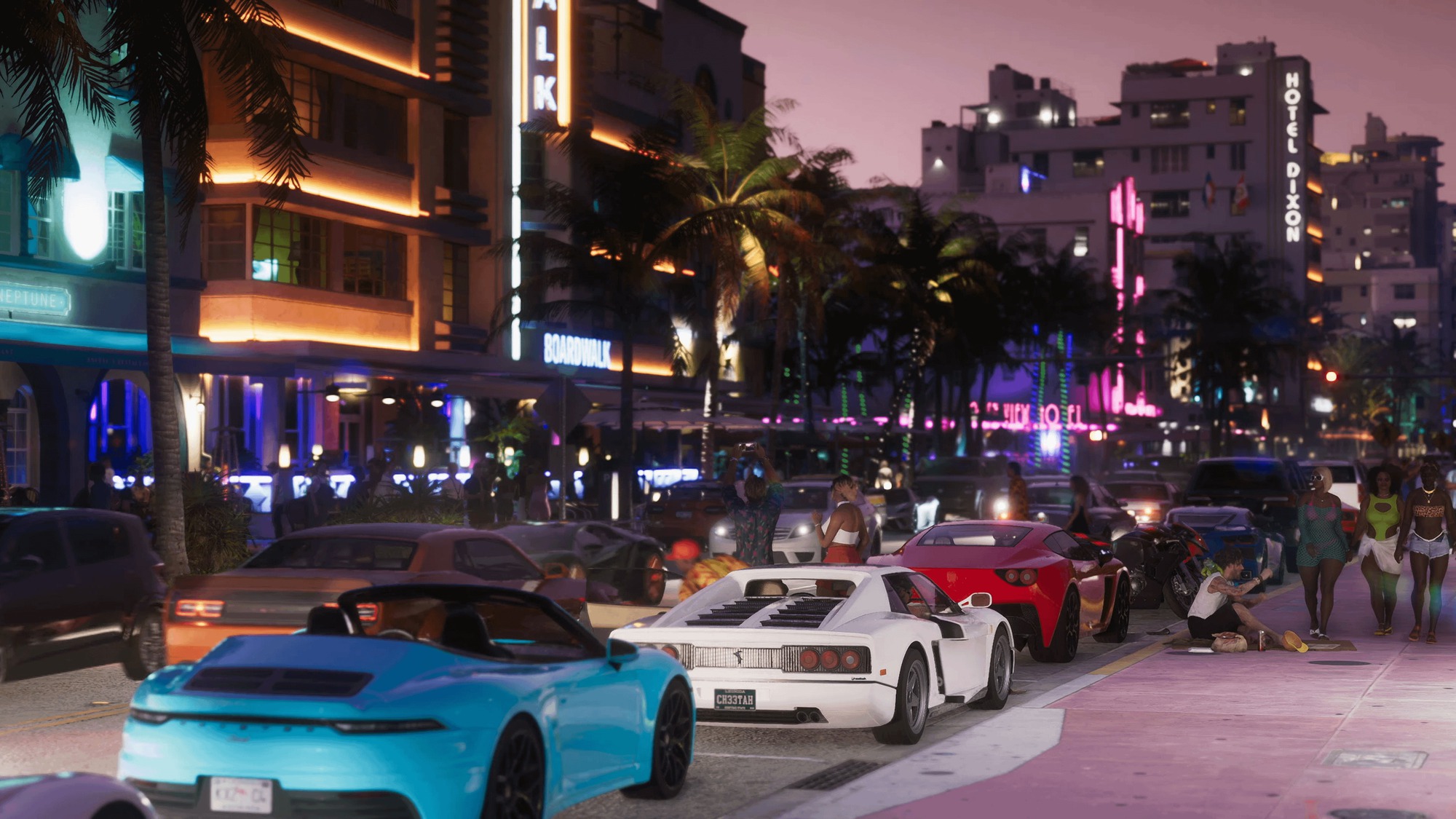
The first time players drove through neon-lit streets while music echoed across the city skyline, something clicked emotionally. The world felt dangerous, stylish, unpredictable, and strangely alive all at once.
And unlike many open-world games that simply offered missions, Grand Theft Auto: Vice City offered fantasy.
Not fantasy in the traditional sense of dragons or magic.
But fantasy rooted in freedom, ambition, power, and reinvention.
For many players across the United States, Vice City became more than a crime game.
It became a digital time capsule of excess, risk, and possibility wrapped inside one of the most memorable atmospheres gaming had ever created.
Even decades later, players still remember:
-
the music,
-
the streets,
-
the vehicles,
-
the colors,
-
and the feeling of building influence inside a city that constantly tempted players toward chaos.
That emotional memory is why Vice City remains legendary.
Deep Analysis: Why GTA Vice City Still Feels Timeless
Many older games age mechanically.
Vice City survives because atmosphere carries emotional weight beyond graphics or technology.
The game world feels cohesive in a way many modern open-world games still struggle to replicate.
Everything supports the same emotional tone:
-
the soundtrack,
-
architecture,
-
lighting,
-
dialogue,
-
clothing,
-
vehicles,
-
and pacing.
This creates immersion through consistency.
Players don’t simply observe Vice City.
They absorb it.
According to gaming immersion studies, worlds with strong thematic identity create deeper long-term emotional attachment because environmental storytelling continuously reinforces player emotion [Source: Newzoo, 2025].
Vice City demonstrates this exceptionally well.
The city itself feels like a character.
Bright beaches and neon lights hide violence, ambition, greed, and instability beneath the surface.
That contrast creates emotional tension constantly.
The world feels glamorous and dangerous simultaneously.
The Psychology Behind Vice City’s Open-World Freedom
One reason Vice City became culturally iconic is because it captured the emotional fantasy of reinvention.
Players begin with limited influence.
Over time, they slowly build:
-
money,
-
power,
-
property,
-
reputation,
-
and control.
This progression creates momentum psychologically.
Every successful mission feels like another step toward ownership of the city itself.
And unlike linear games, Vice City allows players to pause structured progression and simply exist inside the world:
-
driving aimlessly,
-
exploring neighborhoods,
-
listening to music,
-
causing chaos,
-
or discovering hidden locations.
That freedom creates emotional intimacy with the environment.
Players begin forming personal memories attached to specific streets, beaches, clubs, and missions.
The city stops feeling digital.
It starts feeling familiar.
Practical Strategies for Thriving in Vice City
One common beginner mistake is rushing through missions too aggressively.
Experienced players usually spend time learning:
-
map layouts,
-
safe routes,
-
weapon locations,
-
and escape patterns first.
Vice City rewards environmental awareness heavily.
Another major mistake involves poor financial management.
New players often spend money impulsively without investing strategically in:
-
property,
-
weapons,
-
transportation,
-
or income-generating opportunities.
Veteran players understand progression becomes dramatically smoother once economic systems stabilize.
Vehicle management also matters more than many players initially realize.
Certain missions become significantly easier with:
-
faster vehicles,
-
durable transportation,
-
or escape-friendly positioning prepared in advance.
Preparation reduces chaos enormously.
Although in Vice City, chaos never disappears completely.
Storytelling Through Crime, Ambition, and Atmosphere
One reason Vice City remains emotionally memorable is because progression feels cinematic without becoming overly scripted.
Players remember:
-
desperate escapes,
-
explosive betrayals,
-
dangerous missions,
-
and moments where everything nearly collapsed unexpectedly.
The game constantly balances confidence and vulnerability.
Players become stronger gradually.
But danger always remains present beneath the surface.
This tension gives progression emotional weight.
Vice City also excels at environmental storytelling.
A quiet nighttime drive across neon streets can feel strangely reflective.
Meanwhile, chaotic police chases create sudden adrenaline spikes moments later.
This emotional contrast keeps the experience dynamic.
The world breathes through mood as much as gameplay.
Source:
Another reason Vice City remains iconic is because players remember how the game felt, not simply what they accomplished.
Very few games create emotional atmosphere this consistently.
That emotional memory becomes stronger than mechanics alone.
Expert Insights and Common Mistakes Players Make
One major mistake new players make is approaching Vice City purely as a chaotic action sandbox.
Experienced players often appreciate the slower moments equally:
-
exploration,
-
atmosphere,
-
music,
-
environmental details,
-
and pacing.
These elements are central to the experience.
Another common issue involves ignoring strategic preparation before missions.
Vice City rewards players who:
-
stock weapons carefully,
-
understand geography,
-
and anticipate escape routes before problems begin.
A third mistake involves comparing older open-world design directly to modern standards without considering context.
Vice City became revolutionary because it helped define emotional freedom in open-world gaming long before many current systems existed.
Its influence matters historically as much as mechanically.
The Advanced Perspective: Vice City as a Fantasy of Reinvention
At a deeper level, Vice City functions almost like a digital fantasy about transformation.
Players enter a hostile city with limited power.
Slowly, they reshape their position through:
-
ambition,
-
risk,
-
adaptability,
-
and persistence.
This progression creates emotional satisfaction because players visibly alter their relationship with the world itself.
More money creates freedom.
More property creates influence.
More experience creates confidence.
The city gradually responds differently to player presence.
Vice City also understands pacing extraordinarily well.
Moments of chaos feel stronger because quieter moments exist between them.
This emotional rhythm prevents exhaustion and strengthens immersion.
Trends, Data, and the Lasting Influence of Vice City
Vice City helped redefine expectations for open-world games permanently.
Modern sandbox experiences continue borrowing systems centered around:
-
player freedom,
-
emergent gameplay,
-
environmental immersion,
-
and atmospheric storytelling.
According to gaming market analysis, nostalgia-driven engagement remains exceptionally powerful when games successfully combine emotional identity with player freedom [Source: Statista, 2025].
Vice City continues thriving culturally because it achieved both simultaneously.
Streaming culture and retrospective gaming content also revived appreciation for older sandbox classics.
Viewers still enjoy:
-
discovering hidden details,
-
revisiting iconic missions,
-
exploring forgotten mechanics,
-
and experiencing retro open-world storytelling again.
The emotional identity of Vice City remains unusually strong across generations.
Comparing Vice City to Other Open-World Games
Many open-world games prioritize scale.
Vice City prioritized atmosphere.
That distinction matters enormously.
The world may feel smaller by modern standards, but its emotional density remains exceptional.
Every neighborhood feels intentional.
Every soundtrack choice reinforces identity.
Every mission contributes to mood.
Another important difference involves pacing.
Modern games often overload players with objectives constantly.
Vice City allows space for:
-
wandering,
-
observation,
-
improvisation,
-
and immersion naturally.
This slower pacing strengthens emotional attachment to the world itself.
Vice City also balances absurdity and seriousness uniquely well.
The game never feels fully realistic.
Yet emotionally, the ambition and tension still feel believable.
That balance creates timeless charm.
Reference:
-
How Emotional Atmosphere Increases Long-Term Player Retention
-
Streaming Culture and the Return of Classic Open-World Games
Another fascinating aspect of Vice City is how memory itself improves the experience over time.
Players often remember fragments:
-
neon reflections,
-
radio music,
-
ocean sunsets,
-
dangerous missions,
-
and late-night escapes.
Those fragments combine into emotional nostalgia stronger than many technically superior games achieve.
Common Concerns and Misunderstandings Around Vice City
Some players initially assume Vice City feels outdated because of its age.
In reality, many experienced players argue its atmosphere and pacing remain more emotionally distinctive than many modern open-world games.
Another misconception is that the game revolves only around chaos and violence.
While action certainly defines much of the gameplay, Vice City’s emotional strength comes largely from:
-
style,
-
mood,
-
ambition,
-
music,
-
and environmental immersion.
There’s also concern that nostalgia alone explains its reputation.
But nostalgia rarely survives decades without meaningful emotional design underneath it.
Vice City continues resonating because it created a world players genuinely enjoyed inhabiting.
That distinction matters.
Final Thoughts and What Comes Next
Grand Theft Auto: Vice City remains legendary because it understood something many open-world games still struggle to capture:
Freedom feels unforgettable when the world itself has personality.
Vice City wasn’t just a map filled with missions.
It was:
-
atmosphere,
-
music,
-
danger,
-
ambition,
-
style,
-
and emotional escapism blended together into one unforgettable experience.
Every street carried possibility.
Every mission carried risk.
Every drive through the city felt like part of a larger personal story.
And perhaps that’s the real reason Vice City still matters after all these years.
Not because it was perfect.
But because it made players feel like they belonged inside its chaos — even if only for a few unforgettable nights beneath neon skies.
References
-
Newzoo. (2025). Open-World Nostalgia and Player Engagement Trends.
-
Statista. (2025). Sandbox Gaming and Retro Market Analysis in North America.
-
Psychology Today. (2024). Escapism, Atmosphere, and Emotional Memory in Gaming.
-
GameAnalytics. (2025). Player Retention Patterns in Open-World Sandbox Experiences.
-
GamesIndustry.biz. (2025). The Evolution of Atmospheric Storytelling in Open-World Games.