

Introduction to GTA VI
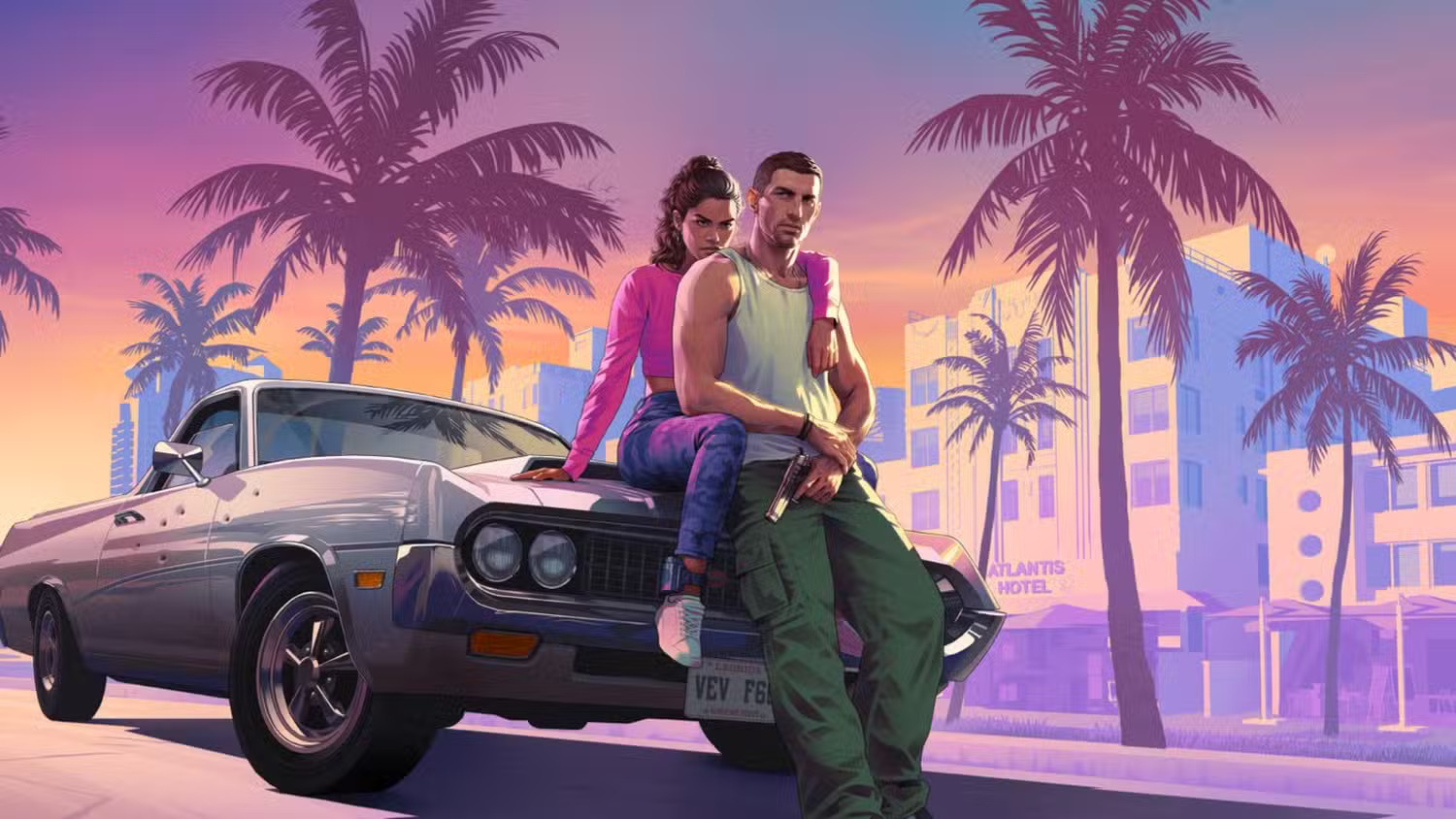
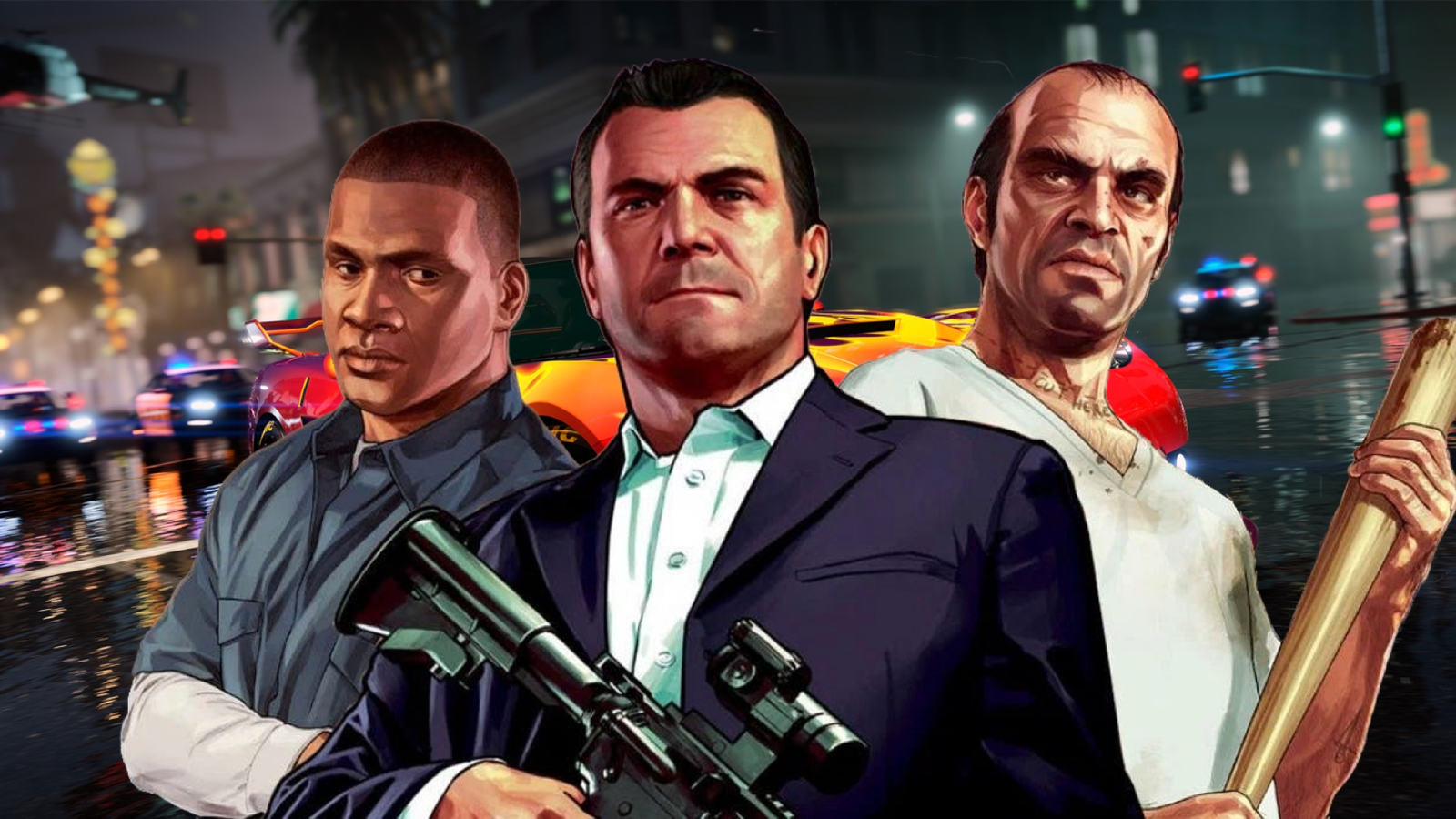
Grand Theft Auto VI continues dominating gaming discussions through leaks, speculation, massive expectations, and anticipation surrounding its world, story, and next-generation experience.
Some games are announced quietly.
Others arrive like cultural events.
GTA VI belongs to the second category.
Long before official trailers, players were already analyzing blurry screenshots, dissecting leaked footage frame by frame, and debating theories across forums, livestreams, and social media threads late into the night.
It almost stopped feeling like a game release.
Instead, it became a global waiting room.
That’s what makes GTA VI different from nearly every other upcoming title in modern gaming. The anticipation surrounding it is not built only on marketing or nostalgia. It comes from something deeper — a decade of expectations slowly growing inside one of the largest gaming communities ever created.
Players aren’t just hoping for another open-world game.
They’re expecting a cultural moment.
And that level of anticipation changes everything.
Deep Analysis: Why GTA VI Became More Than an Upcoming Game
The excitement around Grand Theft Auto VI reflects something fascinating about modern entertainment culture.
People no longer consume games passively.
They investigate them.
Speculate about them.
Build theories around them.
Emotionally invest in them years before release.
Very few franchises generate this level of long-term attention.
But GTA exists in a unique position within gaming history.
Previous titles didn’t simply entertain players temporarily. They shaped expectations for open-world design itself. Entire generations of players grew up associating GTA with freedom, immersion, exploration, and unpredictable storytelling.
Because of that legacy, GTA VI carries unusual emotional weight.
Players expect:
-
larger worlds,
-
deeper realism,
-
smarter AI systems,
-
more dynamic environments,
-
emotionally stronger storytelling,
-
and unprecedented freedom.
That expectation creates enormous pressure.
Ironically, leaks and rumors only intensified this pressure further.
Every alleged detail about:
-
map size,
-
protagonists,
-
environmental systems,
-
gameplay mechanics,
-
or narrative direction
immediately spreads across gaming communities at massive scale.
This creates a strange phenomenon where anticipation itself becomes entertainment.
People are no longer only waiting for the game.
They are actively participating in the speculation surrounding it.
The Psychology Behind GTA VI Hype
The emotional intensity surrounding GTA VI comes largely from uncertainty.
Human curiosity thrives when information feels incomplete.
A confirmed release date creates excitement.
But partial leaks, hidden details, and unanswered questions create obsession.
That’s exactly what happened here.
Every rumor becomes amplified because players desperately want to imagine what the future experience could feel like.
Will the map be larger?
Will NPC behavior feel more realistic?
Will cities react dynamically?
Will online systems evolve dramatically?
These questions keep conversations alive continuously.
According to digital entertainment engagement reports, games associated with long-term mystery and speculation often maintain unusually strong online engagement metrics over time [Source: Newzoo, 2025].
GTA VI represents one of the clearest examples of this phenomenon.
The mystery itself became part of the marketing ecosystem — even beyond official promotion.
Practical Insights: What Players Actually Expect From GTA VI
Beyond rumors and speculation, player expectations reveal several larger trends shaping modern gaming.
Today’s audiences increasingly want:
-
immersive environments,
-
reactive worlds,
-
emotional storytelling,
-
meaningful exploration,
-
and systems that feel alive rather than scripted.
Open-world games are no longer judged solely by graphics or map size.
Players now evaluate:
-
environmental density,
-
AI behavior,
-
realism,
-
social immersion,
-
and world interactivity.
That shift matters enormously.
Older games impressed audiences through scale.
Modern audiences want believable ecosystems.
Many players expect GTA VI to push these systems further than previous titles:
-
smarter pedestrian reactions,
-
evolving environments,
-
realistic economics,
-
dynamic law enforcement,
-
and richer environmental storytelling.
Whether every expectation becomes reality remains uncertain.
But the ambition players attach to GTA VI already says a lot about how gaming standards have evolved.
Storytelling Expectations and Emotional Investment
Another major reason GTA VI generates so much anticipation is narrative expectation.
Players increasingly want stories that feel emotionally grounded rather than purely cinematic.
Modern audiences connect more deeply with flawed characters, personal motivations, and morally complex storytelling.
Previous GTA games often balanced:
-
satire,
-
emotional conflict,
-
absurd humor,
-
social commentary,
-
and chaotic freedom.
Many fans now expect GTA VI to evolve this storytelling style further.
Particularly in the United States, where open-world storytelling heavily influences gaming culture, players want worlds that feel socially believable instead of merely visually impressive.
That expectation creates emotional investment long before release.
People already imagine the experience emotionally before even touching the game itself.
And once audiences emotionally imagine something, anticipation becomes significantly stronger.
Source:
One fascinating aspect of the GTA VI conversation is how community speculation itself became collaborative storytelling.
Players collectively analyze:
-
leaked environments,
-
fictional map layouts,
-
possible narrative structures,
-
gameplay systems,
-
and hidden details.
In some ways, the audience is already building emotional versions of the game together before release even happens.
That level of community participation is rare.
Expert Insights and Common Misunderstandings Around Leaks
One major mistake many players make is treating leaks as confirmed information.
Gaming leaks vary enormously in accuracy.
Some contain fragments of truth mixed with outdated or incomplete material. Others reflect early development concepts that may change dramatically before launch.
Experienced analysts usually approach leaks cautiously.
Game development evolves constantly.
Features get removed.
Mechanics change.
Narratives shift.
Assuming every rumor represents final content often leads to unrealistic expectations.
Another common misunderstanding involves map size obsession.
Many players automatically assume “bigger” always means “better.”
But modern open-world quality depends more heavily on density and interactivity than raw scale alone.
A smaller world with deeper systems often feels more immersive than a massive empty environment.
Experienced players increasingly recognize this distinction.
The Advanced Perspective: GTA VI as a Cultural Event
At this stage, GTA VI functions less like a standard release and more like a global entertainment event.
That distinction matters.
Very few games generate attention across:
-
gaming communities,
-
mainstream media,
-
streaming platforms,
-
social media trends,
-
and broader pop culture simultaneously.
GTA VI already influences online conversations continuously despite limited official information.
This reflects how gaming itself has evolved culturally.
Games are no longer niche entertainment products.
They are now central components of digital culture.
The scale of anticipation surrounding GTA VI demonstrates how emotionally connected audiences have become to interactive worlds.
People are not only waiting for gameplay mechanics.
They are waiting for experiences.
Memories.
Social moments.
Exploration.
Stories they can discuss for years afterward.
Trends, Data, and the Current State of Open-World Gaming
The anticipation surrounding GTA VI also reflects broader industry trends.
Modern players increasingly favor:
-
immersive open-world experiences,
-
sandbox freedom,
-
dynamic systems,
-
and social storytelling environments.
According to industry analytics, open-world games continue dominating engagement metrics globally because they encourage longer session times and stronger emotional retention [Source: Statista, 2025].
At the same time, streaming culture amplified the importance of emergent gameplay dramatically.
Viewers no longer only enjoy scripted moments.
They enjoy unpredictability:
-
random encounters,
-
AI reactions,
-
player-generated chaos,
-
and unscripted storytelling.
GTA historically excelled in these areas.
That’s one reason expectations for GTA VI became so enormous.
Players believe the next evolution of open-world interactivity might happen here.
Comparing GTA VI Expectations to Other Major Game Releases
Most game launches follow predictable hype cycles.
Initial trailer.
Marketing campaign.
Pre-release interviews.
Launch week excitement.
GTA VI feels fundamentally different.
The anticipation developed slowly over years rather than months.
That prolonged buildup created unusually high emotional attachment.
Other open-world games may impress visually or mechanically.
But GTA occupies a different psychological space because it carries generational nostalgia alongside future expectations simultaneously.
Older players remember discovering previous titles during adolescence.
Newer players experience the franchise primarily through streaming culture and online communities.
This creates multi-generational anticipation rarely seen elsewhere in gaming.
Another important distinction involves freedom.
Many modern open-world games still feel structurally controlled beneath the surface.
Players expect GTA VI to feel genuinely reactive and unpredictable.
That expectation alone separates it from many competitors.
Reference:
Another critical factor involves emotional memory.
Previous GTA titles created unforgettable player experiences:
-
spontaneous chaos,
-
exploration,
-
late-night multiplayer sessions,
-
emotional story missions,
-
and unexpected discoveries.
Players now want GTA VI to recreate those feelings while evolving them for a new generation.
That emotional expectation may be more important than technical innovation itself.
Common Concerns and Questions Around GTA VI
Some players worry that expectations have become unrealistically high.
That concern is understandable.
The longer audiences wait for something, the more idealized it often becomes mentally.
No game can perfectly match every theory, rumor, or community fantasy simultaneously.
Another concern involves modern gaming monetization trends.
Many players hope GTA VI preserves immersive world-building and player freedom without overly aggressive systems that reduce immersion.
There are also discussions about whether modern open-world games risk becoming too large and overwhelming.
Players increasingly value meaningful detail over empty scale.
This is why many experienced fans focus less on “how big” the world will be — and more on how alive it feels moment to moment.
Final Thoughts and What Comes Next
Grand Theft Auto VI became one of the most anticipated games in history because it represents more than a sequel.
It represents expectation itself.
Expectation for richer worlds.
Better immersion.
More believable systems.
Stronger storytelling.
And unforgettable player experiences that feel impossible to fully predict.
That unpredictability is exactly what keeps people emotionally invested.
Players aren’t only waiting to play GTA VI.
They’re waiting to feel surprised again.
And in an entertainment landscape where audiences increasingly crave authentic emotional experiences, surprise may be the most valuable thing a game can still deliver.
References
-
Newzoo. (2025). Global Open-World Gaming Engagement Trends.
-
Statista. (2025). North American Open-World Gaming Market Analysis.
-
Psychology Today. (2024). Anticipation, Curiosity, and Emotional Investment in Digital Media.
-
GameAnalytics. (2025). Player Retention and Sandbox Game Behavior.