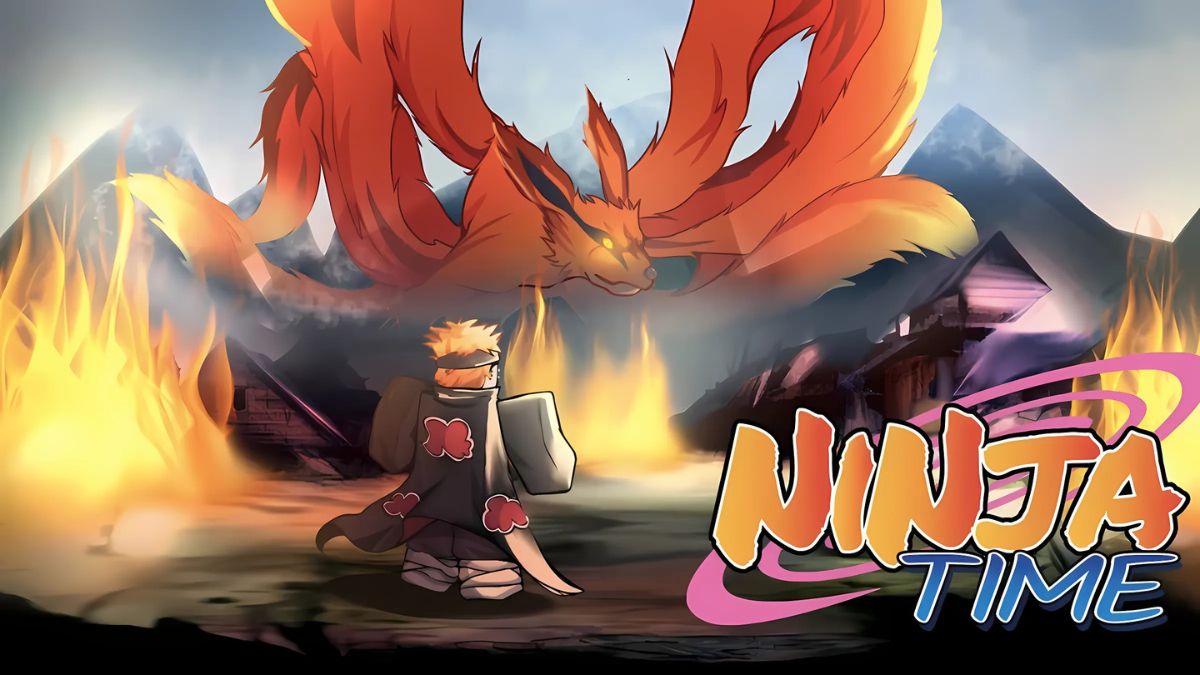



Introduction to Roblox: Ninja Time
Ninja Time combines ninja combat, progression systems, exploration, teamwork, and strategic character building into a fast-paced world driven by survival and mastery.
The first time most players enter Ninja Time, the experience feels overwhelming.
There are missions everywhere.
Enemies appear constantly.
Abilities look chaotic.
Stronger players move across the map like unstoppable legends.
And somewhere in the middle of all that confusion, beginners realize one important thing:
Power in Ninja Time is not earned quickly.
It’s earned through patience.
That realization changes how players approach the game entirely.
At first, many players chase flashy abilities and fast progression.
But experienced players understand something deeper:
real mastery comes from understanding systems.
The strongest shinobi are rarely the players who simply grind the hardest.
They are the players who understand:
-
timing,
-
positioning,
-
progression efficiency,
-
combat discipline,
-
and long-term strategy.
That’s one reason Ninja Time became so emotionally engaging for Roblox players across the United States.
The game transforms progression into a personal journey where every upgrade, fight, failure, and victory contributes to player identity.
And over time, Ninja Time stops feeling like a simple anime game.
It starts feeling like a world players genuinely grow inside.
Deep Analysis: Why Ninja Time Feels So Rewarding
Many progression-focused games become repetitive because advancement feels mechanical.
Ninja Time avoids this problem through layered emotional progression.
Players are not simply increasing numbers.
They are building:
-
combat identity,
-
specialization,
-
movement mastery,
-
strategic understanding,
-
and emotional confidence.
This creates much stronger attachment than simple grinding systems alone.
According to gaming engagement research, RPG-style progression systems generate stronger long-term retention when players emotionally associate growth with personal skill development rather than automated rewards [Source: Newzoo, 2025].
Ninja Time reflects this design philosophy effectively.
Players gradually become more capable not only statistically — but mentally.
Early encounters that once felt impossible slowly become manageable through:
-
experience,
-
preparation,
-
and strategic adaptation.
That transformation feels deeply satisfying psychologically.
The Psychology Behind Ninja Progression Systems
One fascinating aspect of Ninja Time is how naturally it encourages long-term commitment.
Every progression layer connects to another:
-
abilities improve combat,
-
combat unlocks resources,
-
resources strengthen builds,
-
and stronger builds enable access to harder challenges.
This interconnected structure creates momentum.
Players rarely feel completely “finished.”
There is always:
-
another skill to improve,
-
another strategy to test,
-
another enemy to defeat,
-
or another optimization path waiting ahead.
The game also rewards identity formation.
Different players gradually develop unique combat styles:
-
aggressive close-range fighters,
-
tactical ranged specialists,
-
mobility-focused assassins,
-
or balanced hybrid builds.
This personalization strengthens emotional attachment because players begin seeing characters as extensions of their own decision-making.
Practical Strategies for Faster Survival and Progression
One major beginner mistake is focusing entirely on offensive power too early.
Experienced players usually prioritize:
-
mobility,
-
survivability,
-
resource efficiency,
-
and cooldown management first.
Balanced progression creates far more consistent long-term success.
Another common issue involves wasting resources impulsively.
New players often spend upgrades emotionally instead of strategically.
Veteran players evaluate:
-
scaling potential,
-
synergy,
-
future utility,
-
and build flexibility before investing heavily.
Movement mastery also becomes critical surprisingly quickly.
Strong players learn:
-
positioning,
-
spacing,
-
dodge timing,
-
and terrain usage
long before they acquire top-tier abilities.
Mechanical awareness consistently outperforms reckless aggression.
Storytelling Through Rivalries, Battles, and Growth
One reason Ninja Time creates memorable experiences is because progression feels personal.
Players remember:
-
difficult early battles,
-
humiliating defeats,
-
unexpected victories,
-
dangerous rivalries,
-
and moments where survival depended entirely on quick thinking.
These emotional moments create personal narratives naturally.
The game also creates strong social storytelling.
Communities form around:
-
alliances,
-
training,
-
mentorship,
-
and competitive rivalry.
Over time, players develop reputations inside servers through:
-
skill,
-
strategy,
-
persistence,
-
or leadership.
That social recognition strengthens emotional investment enormously.
Source:
-
Why Progression Systems Create Stronger Emotional Engagement
-
The Rise of Competitive Roleplaying Games on User-Generated Platforms
Another important reason Ninja Time remains compelling is because improvement feels visible constantly.
Players don’t suddenly become powerful overnight.
They slowly evolve through repetition, experimentation, and adaptation.
That gradual transformation creates lasting satisfaction.
Expert Insights and Common Mistakes Players Make
One major mistake beginners make is copying advanced builds blindly.
Experienced players understand successful builds depend heavily on:
-
playstyle,
-
timing,
-
positioning,
-
and personal comfort.
A strategy working perfectly for one player may fail completely for another.
Another common issue involves overconfidence after early progression.
Many players unlock stronger abilities and immediately become reckless.
Veteran players know discipline matters more than raw power in difficult encounters.
A third mistake involves neglecting defensive mechanics.
Some players focus only on damage output while ignoring:
-
movement,
-
awareness,
-
cooldown timing,
-
and escape routes.
Experienced shinobi survive longer because they anticipate danger rather than reacting emotionally to it.
The Advanced Perspective: Ninja Time as a Simulation of Patience and Adaptation
At a deeper level, Ninja Time functions almost like a simulation of personal growth under pressure.
Players continuously face:
-
stronger opponents,
-
unexpected setbacks,
-
strategic failures,
-
and resource limitations.
This forces adaptation constantly.
The game rewards patience remarkably well.
Impulsive players often plateau quickly.
Strategic players gradually dominate because they:
-
analyze patterns,
-
learn from mistakes,
-
and optimize systems over time.
Ninja Time also reinforces emotional resilience.
Defeat becomes part of progression rather than pure punishment.
Players improve by surviving frustration instead of avoiding it.
That psychological loop keeps long-term engagement surprisingly strong.
Trends, Data, and the Growth of Anime RPG Games on Roblox
Anime-inspired RPG experiences continue dominating Roblox because they combine:
-
progression systems,
-
social identity,
-
combat mastery,
-
and long-term emotional investment effectively.
According to gaming market analytics, multiplayer progression games featuring personalization and competitive cooperation maintain exceptionally strong engagement among younger audiences [Source: Statista, 2025].
Streaming culture amplified this trend dramatically.
Viewers enjoy:
-
high-level combat,
-
build showcases,
-
intense rivalries,
-
difficult boss encounters,
-
and transformation arcs.
Ninja Time naturally generates emotionally satisfying progression moments highly suitable for community discussion and content creation.
That visibility strengthens long-term player retention continuously.
Comparing Ninja Time to Other Anime RPG Experiences
Many anime RPG games focus heavily on visual spectacle alone.
Ninja Time succeeds because it balances:
-
progression,
-
combat strategy,
-
movement,
-
and survival pressure simultaneously.
Another important distinction involves pacing.
The game alternates naturally between:
-
exploration,
-
training,
-
combat,
-
resource gathering,
-
and social interaction.
This emotional rhythm prevents exhaustion.
The strongest moments rarely come purely from unlocking power.
They come from learning how to use that power intelligently under pressure.
That distinction creates deeper emotional satisfaction.
Reference:
-
How Character Progression Increases Long-Term Player Retention
-
Why Competitive Progression Systems Create Emotional Investment
Another fascinating aspect of Ninja Time is how players gradually develop emotional attachment not only to progression — but to the struggle itself.
The journey becomes meaningful because growth feels difficult enough to matter.
Common Concerns and Misunderstandings Around Ninja Time
Some players initially assume Ninja Time depends mostly on grinding endlessly.
In reality, experienced players know efficiency and strategic decision-making dramatically influence progression speed.
Another misconception is that stronger abilities automatically guarantee victory.
While power certainly helps, timing, positioning, and situational awareness often determine outcomes far more consistently.
There’s also concern around balance between new and experienced players.
Although advanced players hold advantages naturally, Ninja Time still rewards learning curves heavily.
Mechanical understanding often closes gaps surprisingly quickly.
Players who remain adaptable improve much faster than players relying purely on repetition.
Final Thoughts and What Comes Next
Ninja Time became one of Roblox’s most emotionally engaging anime RPG experiences because it understands something many progression games forget:
Power feels meaningful only when growth feels earned.
Ninja Time transforms:
-
combat,
-
progression,
-
exploration,
-
rivalry,
-
and survival
into a long-term personal journey shaped by patience, adaptation, and discipline.
Every difficult fight teaches something.
Every defeat reveals weakness.
Every victory reflects improvement.
That emotional progression keeps players invested far longer than flashy abilities alone ever could.
And perhaps that’s the real reason Ninja Time continues attracting dedicated players.
Not because becoming powerful feels exciting.
But because becoming stronger feels personal.
References
-
Newzoo. (2025). Anime RPG Engagement and Retention Trends.
-
Statista. (2025). Roblox Multiplayer RPG Market Analysis in North America.
-
Psychology Today. (2024). Mastery, Identity, and Emotional Motivation in Competitive Gaming.
-
GameAnalytics. (2025). Player Behavior Patterns in Long-Term Progression Games.
-
GamesIndustry.biz. (2025). The Evolution of Anime-Inspired RPG Systems in Multiplayer Gaming.