Introduction to Minecraft Minecraft teaches creativity, survival, experimentation, and resilience by rewarding curiosity, failure, and adaptation more effectively than cautious, repetitive gameplay ever could. Almost every Minecraft player remembers their first serious mistake. Falling into lava with valuable resources. Getting lost thousands of blocks away from home. Accidentally destroying a carefully built structure. Entering dangerous caves completely unprepared. Or underestimating how terrifying the first night could become. At the time, those moments felt frustrating. Sometimes devastating. But strangely enough, those failures often became the moments players remembered most clearly years later. Not because failure itself was enjoyable. But because Minecraft quietly teaches something many games — and even real life — often struggle to explain properly: Growth usually happens faster through mistakes than through safety. That lesson sits at the emotional core of why Minecraft continues resonating across generations. The game doesn’t punish experimentation permanently. It encourages recovery. Adaptation. Curiosity. And the courage to try again after failure. And in today’s digital world — where many systems reward optimization over exploration — Minecraft’s philosophy feels surprisingly human. Deep Analysis: Why Minecraft Rewards Failure Better Than Most Games Most modern games guide players carefully toward success. Tutorials explain optimal behavior. Objectives reduce uncertainty. Systems often protect players from meaningful mistakes. Minecraft does something very different. It gives players freedom before they fully understand consequences. That design creates vulnerability. And vulnerability creates learning. When players make mistakes in Minecraft, the lessons feel emotionally memorable because the consequences feel personal: losing resources, becoming stranded, failing dangerous encounters, or destroying progress accidentally. These situations create frustration initially. But they also create stronger memory retention. Psychological learning studies consistently show that emotionally significant mistakes improve long-term skill adaptation more effectively than passive instruction alone [Source: Psychology Today, 2024]. Minecraft naturally applies this principle through gameplay. The game rarely lectures players directly. Instead, it allows experience itself to become the teacher. And because the lessons feel earned rather than scripted, players internalize them more deeply. The Emotional Difference Between Safety and Exploration One fascinating pattern appears among experienced Minecraft players: the players who improve fastest are rarely the most cautious ones. They are usually the most curious. Curious players: explore unfamiliar caves, test unusual building ideas, experiment with mechanics, travel farther, and attempt difficult challenges earlier. Yes, they fail more often. But they also learn faster. Meanwhile, players who remain permanently cautious often avoid failure — but also avoid discovery. This mirrors real-world growth surprisingly closely. Playing safely creates stability. Taking calculated risks creates evolution. Minecraft communicates this lesson subtly through its world design. The greatest rewards usually exist beyond comfort zones: deeper caves, distant biomes, dangerous dimensions, hidden structures, and unfamiliar environments. Progress often requires uncertainty. And uncertainty always carries the possibility of mistakes. Practical Lessons Players Learn Through Failure Minecraft teaches practical survival and creative skills through repetition and recovery. A player who loses resources in lava once usually becomes dramatically more careful around dangerous terrain afterward. Someone who gets lost without preparation learns the importance of navigation systems. A failed build teaches structural planning. A disastrous nighttime encounter teaches resource prioritization. These lessons stick because they emerge naturally from experience. Over time, experienced players begin developing stronger instincts: preparing backup supplies, organizing storage efficiently, planning exploration carefully, building safer environments, and managing risk more intelligently. But those instincts almost always develop after failure — not before it. That sequence matters. Because experience shapes understanding more powerfully than theory alone. Storytelling Through Mistakes and Recovery One reason Minecraft creates such emotionally memorable experiences is because failure becomes part of the narrative. Players rarely remember perfect sessions clearly. They remember disasters. The time they lost everything exploring too far from home. The accidental explosion that destroyed hours of building. The terrifying cave escape with almost no health remaining. These moments create emotional stories because they involve tension, vulnerability, and recovery. And recovery is psychologically powerful. When players rebuild after setbacks, they become more emotionally attached to the world itself. Their progress begins feeling meaningful precisely because it survived failure. This is one reason Minecraft worlds often feel personal in ways many other games never achieve. The world becomes a record of mistakes overcome. Source: Why Failure Accelerates Learning More Than Success The Psychology of Exploration and Curiosity in Gaming How Sandbox Games Encourage Creative Problem Solving Player Freedom and Emotional Engagement in Open-Ended Games Why Emergent Gameplay Creates Stronger Memories Another important aspect of Minecraft’s design is that mistakes rarely end the experience permanently. Loss hurts. Failure matters. But recovery remains possible. This balance is critical. Games that punish failure too harshly often discourage experimentation entirely. Minecraft encourages resilience instead. Players slowly learn: mistakes are survivable, rebuilding is possible, and progress rarely follows perfect paths. That philosophy contributes heavily to the game’s emotional longevity. Expert Insights and Common Mistakes New Players Make One of the biggest mistakes beginners make is becoming overly attached to perfection. They avoid exploration because they fear losing resources. Avoid experimentation because they fear failure. Avoid ambitious builds because they fear making mistakes. Ironically, this often slows growth dramatically. Experienced players understand something important: temporary failure usually creates permanent improvement. Another common mistake involves comparing progression to other players constantly. Minecraft is not designed around identical paths. Some players become technical builders. Others focus on survival mastery. Some prioritize exploration or creativity. Trying to optimize every decision too early often removes the sense of discovery that makes the game emotionally meaningful. Veteran players usually balance preparation with curiosity rather than maximizing safety constantly. The Advanced Perspective: Minecraft as a Simulation of Adaptive Thinking At a deeper level, Minecraft trains adaptive thinking remarkably well. The game constantly forces players to: improvise, recover from setbacks, solve unexpected problems, and adjust plans dynamically. These systems create a mindset centered around flexibility rather than perfection. And flexibility is often more valuable than rigid optimization. Real-world creativity frequently emerges through experimentation, failed attempts, and iterative improvement. Minecraft reflects this process naturally. Players rarely build impressive structures perfectly on the first attempt. Complex survival systems usually develop through trial and error. Advanced redstone mechanics often require repeated testing and failure. This iterative learning model resembles real creative work closely. That’s one reason Minecraft feels strangely satisfying even outside traditional gaming expectations. Trends, Data, and the Growing Appreciation for Creative Sandbox Games The continued popularity of Minecraft reflects larger shifts happening across gaming culture. Modern audiences increasingly value: creativity, personalization, emergent storytelling, and player-driven experiences. According to gaming engagement analytics, sandbox games continue maintaining exceptionally strong long-term retention because they encourage emotional ownership and creative experimentation [Source: Statista, 2025]. Minecraft remains one of the clearest examples of this trend. The game also benefits from streaming culture significantly. Viewers enjoy watching: survival challenges, ambitious builds, risky exploration, creative problem-solving, and unexpected failures. Ironically, mistakes often create the most entertaining moments. Perfect gameplay can feel predictable. Human error feels relatable. That relatability strengthens emotional connection between players, creators, and audiences. Comparing Safe Playstyles to Experimental Playstyles Cautious players often progress steadily. Experimental players often progress unpredictably. But unpredictability frequently produces stronger long-term learning. A player who constantly tests limits usually gains: better environmental awareness, stronger recovery instincts, faster adaptation, and broader gameplay understanding. Meanwhile, players who avoid all risk may remain technically “safe” while missing important learning experiences entirely. Minecraft quietly rewards calculated experimentation because discovery itself drives progression emotionally. The game world feels enormous specifically because players are encouraged to explore uncertainty. Without risk, much of Minecraft’s emotional magic disappears. Reference: The Role of Failure in Creative Development Why Sandbox Games Build Stronger Emotional Attachment How Exploration-Based Games Improve Engagement The Future of Open-Ended Game Design Streaming Culture and Emergent Gameplay Storytelling Another fascinating distinction involves emotional memory. Players rarely tell stories about “the time everything went perfectly.” They tell stories about: disasters survived, mistakes recovered from, unexpected discoveries, and chaotic situations that forced adaptation. Those experiences create stronger emotional identity inside the game world. Common Concerns and Misunderstandings Around Failure in Minecraft Some players interpret mistakes as proof they are “bad” at the game. In reality, mistakes usually indicate experimentation and engagement. Minecraft’s systems are intentionally designed around learning through interaction rather than perfect execution immediately. Another misconception is that efficiency should always be prioritized. While optimization certainly helps later, excessive optimization early can reduce creativity and emotional exploration significantly. Many experienced players eventually realize that some of their most memorable experiences came from completely unplanned situations: getting lost, failing dramatically, improvising solutions, or rebuilding after disaster. Those imperfect moments often become the most meaningful. Final Thoughts and What Comes Next Minecraft continues inspiring players because it understands something deeply human: Progress rarely comes from avoiding mistakes forever. It comes from surviving them. Learning from them. Adapting because of them. Minecraft quietly transforms failure into experience. Experience into confidence. And confidence into creativity. That emotional progression is far more powerful than simple gameplay mechanics alone. Because eventually, players stop fearing mistakes entirely. They begin seeing them as part of the adventure itself. And perhaps that’s the real reason Minecraft still feels timeless after all these years. Not because the world is made of blocks. But because the game gives players permission to fail, rebuild, and grow without losing the desire to keep exploring. References Psychology Today. (2024). Failure, Adaptation, and Learning Psychology in Interactive Environments. Statista. (2025). Sandbox Gaming Trends and Player Engagement Statistics. Newzoo. (2025). Creative Gameplay and Long-Term Retention Report. GameAnalytics. (2025). Player Behavior Patterns in Open-Ended Sandbox Games. GamesIndustry.biz. (2025). The Evolution of Emergent Gameplay Systems.
Home
Blogs
Minecraft and the Unexpected Truth About Growth: Why Mistakes Teach Faster Than Playing Safe
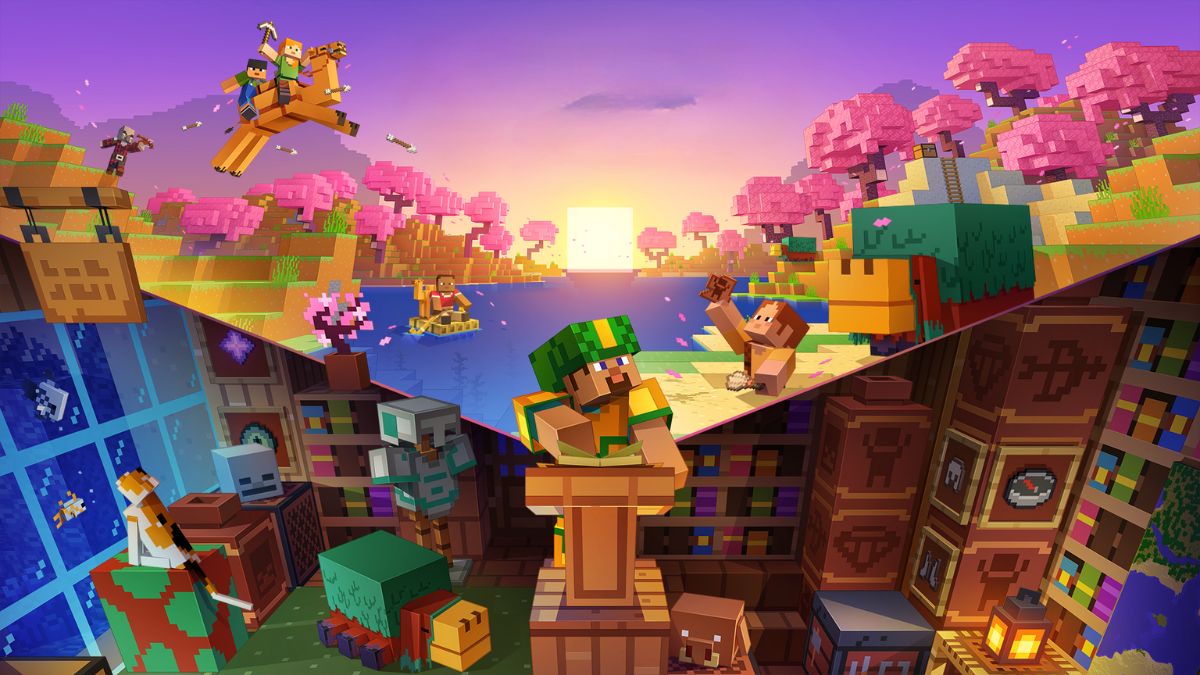
Minecraft and the Unexpected Truth About Growth: Why Mistakes Teach Faster Than Playing Safe
0.0 / 5.0
All trademarks belong to their respective owners.
Popular Now

Valorant Is No Longer Just a Game — It’s Becoming a Global Competitive Culture

GTA V Online and the Art of Building Wealth in a World That Never Stops Moving
Minecraft: The Ultimate Beginner-to-Advanced Guide for Surviving, Building, and Mastering an Infinite World

GTA VI and the Beginning of a New Era in Open-World Gaming

GTA Has Changed More Than Gaming — Here’s Why It Still Dominates the Open-World Genre

Roblox: Blox Fruits and the Endless Adventure of Power, Exploration, and Pirate Dreams