Game hành động
All posts in this category
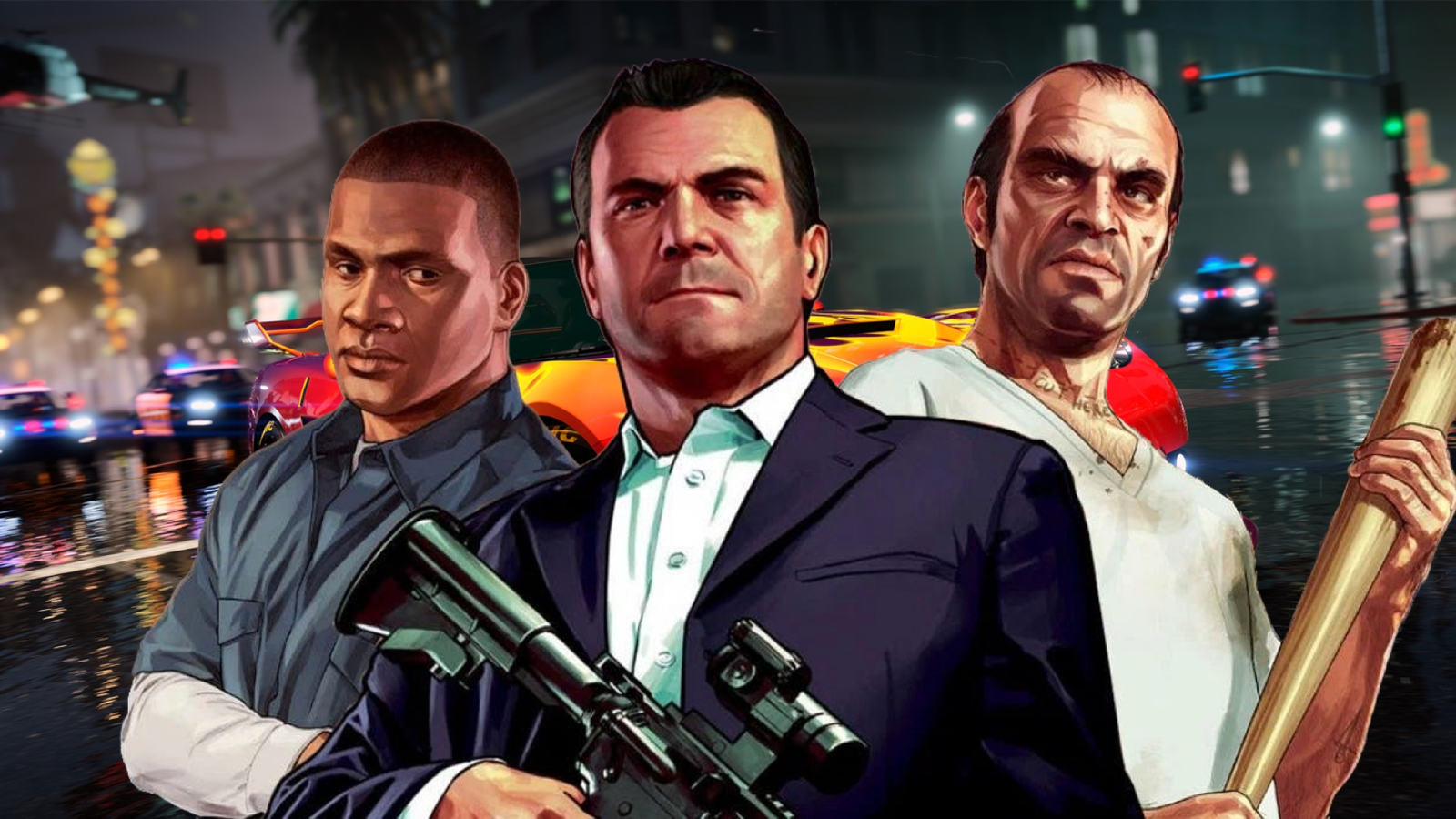
GTA Has Changed More Than Gaming — Here’s Why It Still Dominates the Open-World Genre
Introduction to GTA Grand Theft Auto V continues shaping modern gaming through immersive storytelling, open-world freedom, cultural influence, and unmatched player-driven experiences across generations. There’s a reason some games disappear after a few months while others stay relevant for more than a decade. Most games entertain people temporarily. Very few become part of people’s memories. GTA belongs to the second category. For many players in the United States, the first experience with GTA wasn’t simply about missions or action sequences. It was the feeling of entering a living world that seemed unpredictable, chaotic, funny, dangerous, and strangely believable all at once. You could follow the storyline seriously for hours. Or completely ignore it. Drive across the city at midnight. Listen to fictional radio stations. Cause absolute chaos. Explore hidden locations. Or simply walk through the streets observing how alive the world felt. That freedom changed expectations for open-world gaming forever. And years later, GTA still remains one of the most discussed, streamed, replayed, and culturally influential gaming franchises in the world. Deep Analysis: Why GTA Became a Global Gaming Phenomenon The success of GTA cannot be explained by graphics alone. Nor can it be reduced to controversy, nostalgia, or popularity. Its long-term dominance comes from something deeper: it understands human curiosity exceptionally well. At its core, GTA gives players controlled freedom. Most games guide players carefully from one objective to another. GTA does the opposite. It hands players a massive world and quietly says: “Do whatever you want.” That psychological shift is powerful. Because once players feel genuine freedom inside a game world, emotional attachment increases dramatically. Every player experiences GTA differently. One person remembers dramatic story missions. Another remembers driving aimlessly while listening to in-game radio. Someone else remembers late-night sessions with friends creating absurd situations no developer could have fully predicted. This unpredictability is one of GTA’s greatest strengths. Unlike heavily scripted experiences, GTA constantly generates unscripted moments. That’s why the game feels alive even years after release. According to gaming industry engagement reports, sandbox-style games consistently maintain longer average playtime due to player-generated experiences rather than purely scripted progression [Source: Newzoo, 2025]. GTA mastered this formula before most modern open-world games understood its importance. GTA and the Psychology of Freedom in Gaming One reason GTA resonates across generations is because it taps into something emotionally universal: curiosity. Players naturally want to test boundaries. What happens if you ignore the mission? Can you enter that alley? Can you escape a police chase? Can you reach the mountain? Can you survive impossible situations? GTA constantly rewards exploration. Even small details contribute to immersion: pedestrians reacting dynamically, changing weather, radio conversations, traffic patterns, hidden events, environmental storytelling. These systems make the world feel reactive rather than static. And once a virtual world feels reactive, players stop treating it like software. They start treating it like a place. That distinction matters enormously. Because emotional immersion is what separates memorable games from forgettable ones. Practical Applications and Gameplay Lessons From GTA Interestingly, GTA also demonstrates several broader principles of game design that now influence the entire gaming industry. Modern developers increasingly understand that players value: freedom, emergent storytelling, environmental realism, social interaction, and player-driven experiences. GTA helped normalize all of these expectations. The franchise also changed how open-world pacing works. Older games often punished exploration by forcing players back into linear objectives quickly. GTA allowed slower experiences to exist naturally. Players could spend hours: customizing vehicles, exploring hidden locations, observing NPC behavior, completing side activities, or simply existing inside the game world. That slower pacing created stronger immersion. Ironically, some of GTA’s most memorable moments happen when players are doing absolutely nothing important. And that’s intentional. Because believable worlds are not built entirely around constant action. They’re built around atmosphere. Storytelling That Feels Human Instead of Perfect One overlooked reason GTA remains culturally relevant is its storytelling approach. The characters rarely feel idealized. They feel flawed. Impulsive. Conflicted. Sometimes selfish. Sometimes surprisingly emotional. That realism makes the stories more believable. Instead of presenting heroes who always make perfect decisions, GTA often explores ambition, greed, survival, loyalty, and identity through morally complicated characters. This gives the franchise emotional depth beyond simple action gameplay. Players may initially arrive for the open-world freedom. But many stay because they become invested in the characters themselves. The writing also understands pacing exceptionally well. Serious moments are often interrupted by humor. Tension suddenly becomes absurdity. Chaos unexpectedly turns emotional. That unpredictability mirrors real life more closely than many games realize. And audiences respond strongly to stories that feel emotionally layered. Source: The Evolution of Open-World Game Design Why Sandbox Games Retain Players Longer Gaming Freedom and Player Psychology How Open-World Games Changed Modern Entertainment The Cultural Influence of Video Game Franchises The rise of streaming culture also strengthened GTA’s longevity dramatically. Unlike many games that become repetitive to watch, GTA naturally creates unpredictable content. Every player approaches situations differently. Every online interaction feels unique. Every session has potential for chaos, humor, or unexpected storytelling. That unpredictability keeps audiences engaged. In the modern attention economy, games that generate shareable moments survive longer. GTA consistently generates them. Expert Insights and Common Mistakes Players Make Many new players approach GTA expecting nonstop action. But experienced players often understand that the real value of the game comes from immersion rather than speed. One common mistake is rushing through the main storyline too quickly. Doing this often causes players to miss: environmental details, side narratives, hidden mechanics, and organic moments that make the world memorable. Another mistake is treating the game purely as chaos simulation. While GTA certainly allows chaos, the strongest experiences usually come from balance: exploration, progression, experimentation, and observation. Experienced players often create their own pace. Some focus on vehicles. Others enjoy roleplay. Some prefer story immersion. Others spend most of their time in multiplayer environments. That flexibility is exactly why the franchise appeals to such a broad audience. The Advanced Perspective: GTA as Digital Social Space Over time, GTA evolved beyond a single-player experience. It became a digital social environment. Players now use GTA not only for gameplay, but for: online communities, roleplay servers, social interaction, creative content, virtual storytelling, and entertainment production. This transformation reflects a larger trend in gaming. Modern games increasingly function as social ecosystems rather than isolated products. People don’t simply “play.” They gather. Perform. Collaborate. Compete. Create stories together. GTA became especially influential in this area because its open-ended systems naturally support creativity. Players constantly invent experiences developers never explicitly scripted. That’s one reason the franchise maintains such strong long-term engagement. Trends, Data, and the Current State of Open-World Gaming The gaming industry has changed significantly over the last decade. Audiences now expect worlds that feel: reactive, immersive, socially dynamic, visually detailed, and emotionally believable. GTA helped establish many of these expectations. According to entertainment analytics reports, open-world and sandbox games continue dominating player engagement metrics globally [Source: Statista, 2025]. Players consistently spend more time in games that encourage personal exploration and social interaction. This trend explains why GTA remains culturally relevant despite the age of some titles within the franchise. Its design philosophy aligns closely with modern player behavior. Today’s players don’t only want objectives. They want experiences. And GTA delivers experiences exceptionally well. Comparing GTA to Other Open-World Games Many open-world games offer large maps. Far fewer offer worlds that feel genuinely alive. That’s where GTA separates itself. Some games create beautiful environments but lack interaction depth. Others provide action but feel emotionally empty. Some emphasize realism but sacrifice entertainment pacing. GTA balances these elements unusually well. Its world feels cinematic without becoming rigid. Chaotic without becoming meaningless. Humorous without losing emotional weight. Another major difference is environmental density. In many open-world games, large spaces exist primarily for visual scale. In GTA, cities feel populated with activity: conversations, traffic, random encounters, environmental sounds, and behavioral systems. These details create immersion subconsciously. Players may not consciously analyze them, but they feel the difference emotionally. Reference: The Future of Open-World Gaming Experiences Why Players Form Emotional Attachments to Virtual Worlds Streaming Culture and Sandbox Game Popularity Gaming Communities and Social Identity Online How Emergent Gameplay Shapes Long-Term Retention Another factor worth mentioning is replayability. Many story-driven games lose momentum after completion. GTA rarely does. Because even after finishing missions, the world itself remains entertaining. Players continue discovering: hidden locations, gameplay experiments, online interactions, and self-created challenges. That replay value significantly increases long-term relevance. Common Concerns and Misunderstandings Around GTA GTA has often faced criticism over violence and controversy. Some concerns are understandable. The franchise intentionally explores crime, morality, and social satire in exaggerated ways. However, reducing GTA solely to controversy ignores its broader cultural and artistic impact. The series is also frequently misunderstood as “mindless chaos.” In reality, its strongest appeal often comes from world-building, satire, storytelling, and player freedom rather than destruction itself. Another misconception is that GTA appeals only to younger audiences. In practice, the franchise attracts an unusually broad demographic because different players enjoy it for completely different reasons: exploration, storytelling, humor, competition, roleplay, creativity, or social interaction. That versatility contributes enormously to its longevity. Final Thoughts and What Comes Next Grand Theft Auto V continues dominating gaming culture because it understands something many games still struggle to achieve: People don’t only remember gameplay mechanics. They remember feelings. The feeling of freedom. The feeling of unpredictability. The feeling of entering a world that seems alive enough to surprise you. That emotional immersion is rare. And in an era where countless games compete constantly for attention, experiences that feel genuinely memorable become incredibly valuable. GTA didn’t simply create an open-world franchise. It helped redefine how players expect virtual worlds to feel. And judging by the continued influence of sandbox gaming, immersive storytelling, and player-driven experiences, its impact on the industry is far from over. References Newzoo. (2025). Global Sandbox Gaming Engagement Report. Statista. (2025). Open-World Gaming Audience Trends in North America. Psychology Today. (2024). Immersion, Curiosity, and Emotional Attachment in Video Games. GameAnalytics. (2025). Player Retention Patterns in Open-World Games. GamesIndustry.biz. (2025). The Evolution of Interactive Sandbox Experiences.

GTA VI Rumors, Leaks, and the Massive Expectations Behind Gaming’s Most Anticipated World
Introduction to GTA VI Grand Theft Auto VI continues dominating gaming discussions through leaks, speculation, massive expectations, and anticipation surrounding its world, story, and next-generation experience. Some games are announced quietly. Others arrive like cultural events. GTA VI belongs to the second category. Long before official trailers, players were already analyzing blurry screenshots, dissecting leaked footage frame by frame, and debating theories across forums, livestreams, and social media threads late into the night. It almost stopped feeling like a game release. Instead, it became a global waiting room. That’s what makes GTA VI different from nearly every other upcoming title in modern gaming. The anticipation surrounding it is not built only on marketing or nostalgia. It comes from something deeper — a decade of expectations slowly growing inside one of the largest gaming communities ever created. Players aren’t just hoping for another open-world game. They’re expecting a cultural moment. And that level of anticipation changes everything. Deep Analysis: Why GTA VI Became More Than an Upcoming Game The excitement around Grand Theft Auto VI reflects something fascinating about modern entertainment culture. People no longer consume games passively. They investigate them. Speculate about them. Build theories around them. Emotionally invest in them years before release. Very few franchises generate this level of long-term attention. But GTA exists in a unique position within gaming history. Previous titles didn’t simply entertain players temporarily. They shaped expectations for open-world design itself. Entire generations of players grew up associating GTA with freedom, immersion, exploration, and unpredictable storytelling. Because of that legacy, GTA VI carries unusual emotional weight. Players expect: larger worlds, deeper realism, smarter AI systems, more dynamic environments, emotionally stronger storytelling, and unprecedented freedom. That expectation creates enormous pressure. Ironically, leaks and rumors only intensified this pressure further. Every alleged detail about: map size, protagonists, environmental systems, gameplay mechanics, or narrative direction immediately spreads across gaming communities at massive scale. This creates a strange phenomenon where anticipation itself becomes entertainment. People are no longer only waiting for the game. They are actively participating in the speculation surrounding it. The Psychology Behind GTA VI Hype The emotional intensity surrounding GTA VI comes largely from uncertainty. Human curiosity thrives when information feels incomplete. A confirmed release date creates excitement. But partial leaks, hidden details, and unanswered questions create obsession. That’s exactly what happened here. Every rumor becomes amplified because players desperately want to imagine what the future experience could feel like. Will the map be larger? Will NPC behavior feel more realistic? Will cities react dynamically? Will online systems evolve dramatically? These questions keep conversations alive continuously. According to digital entertainment engagement reports, games associated with long-term mystery and speculation often maintain unusually strong online engagement metrics over time [Source: Newzoo, 2025]. GTA VI represents one of the clearest examples of this phenomenon. The mystery itself became part of the marketing ecosystem — even beyond official promotion. Practical Insights: What Players Actually Expect From GTA VI Beyond rumors and speculation, player expectations reveal several larger trends shaping modern gaming. Today’s audiences increasingly want: immersive environments, reactive worlds, emotional storytelling, meaningful exploration, and systems that feel alive rather than scripted. Open-world games are no longer judged solely by graphics or map size. Players now evaluate: environmental density, AI behavior, realism, social immersion, and world interactivity. That shift matters enormously. Older games impressed audiences through scale. Modern audiences want believable ecosystems. Many players expect GTA VI to push these systems further than previous titles: smarter pedestrian reactions, evolving environments, realistic economics, dynamic law enforcement, and richer environmental storytelling. Whether every expectation becomes reality remains uncertain. But the ambition players attach to GTA VI already says a lot about how gaming standards have evolved. Storytelling Expectations and Emotional Investment Another major reason GTA VI generates so much anticipation is narrative expectation. Players increasingly want stories that feel emotionally grounded rather than purely cinematic. Modern audiences connect more deeply with flawed characters, personal motivations, and morally complex storytelling. Previous GTA games often balanced: satire, emotional conflict, absurd humor, social commentary, and chaotic freedom. Many fans now expect GTA VI to evolve this storytelling style further. Particularly in the United States, where open-world storytelling heavily influences gaming culture, players want worlds that feel socially believable instead of merely visually impressive. That expectation creates emotional investment long before release. People already imagine the experience emotionally before even touching the game itself. And once audiences emotionally imagine something, anticipation becomes significantly stronger. Source: The Evolution of Open-World Gaming Expectations Why Gaming Leaks Generate Massive Online Engagement The Psychology Behind Anticipation in Entertainment Media How Open-World Games Changed Player Expectations Gaming Communities and Speculation Culture Online One fascinating aspect of the GTA VI conversation is how community speculation itself became collaborative storytelling. Players collectively analyze: leaked environments, fictional map layouts, possible narrative structures, gameplay systems, and hidden details. In some ways, the audience is already building emotional versions of the game together before release even happens. That level of community participation is rare. Expert Insights and Common Misunderstandings Around Leaks One major mistake many players make is treating leaks as confirmed information. Gaming leaks vary enormously in accuracy. Some contain fragments of truth mixed with outdated or incomplete material. Others reflect early development concepts that may change dramatically before launch. Experienced analysts usually approach leaks cautiously. Game development evolves constantly. Features get removed. Mechanics change. Narratives shift. Assuming every rumor represents final content often leads to unrealistic expectations. Another common misunderstanding involves map size obsession. Many players automatically assume “bigger” always means “better.” But modern open-world quality depends more heavily on density and interactivity than raw scale alone. A smaller world with deeper systems often feels more immersive than a massive empty environment. Experienced players increasingly recognize this distinction. The Advanced Perspective: GTA VI as a Cultural Event At this stage, GTA VI functions less like a standard release and more like a global entertainment event. That distinction matters. Very few games generate attention across: gaming communities, mainstream media, streaming platforms, social media trends, and broader pop culture simultaneously. GTA VI already influences online conversations continuously despite limited official information. This reflects how gaming itself has evolved culturally. Games are no longer niche entertainment products. They are now central components of digital culture. The scale of anticipation surrounding GTA VI demonstrates how emotionally connected audiences have become to interactive worlds. People are not only waiting for gameplay mechanics. They are waiting for experiences. Memories. Social moments. Exploration. Stories they can discuss for years afterward. Trends, Data, and the Current State of Open-World Gaming The anticipation surrounding GTA VI also reflects broader industry trends. Modern players increasingly favor: immersive open-world experiences, sandbox freedom, dynamic systems, and social storytelling environments. According to industry analytics, open-world games continue dominating engagement metrics globally because they encourage longer session times and stronger emotional retention [Source: Statista, 2025]. At the same time, streaming culture amplified the importance of emergent gameplay dramatically. Viewers no longer only enjoy scripted moments. They enjoy unpredictability: random encounters, AI reactions, player-generated chaos, and unscripted storytelling. GTA historically excelled in these areas. That’s one reason expectations for GTA VI became so enormous. Players believe the next evolution of open-world interactivity might happen here. Comparing GTA VI Expectations to Other Major Game Releases Most game launches follow predictable hype cycles. Initial trailer. Marketing campaign. Pre-release interviews. Launch week excitement. GTA VI feels fundamentally different. The anticipation developed slowly over years rather than months. That prolonged buildup created unusually high emotional attachment. Other open-world games may impress visually or mechanically. But GTA occupies a different psychological space because it carries generational nostalgia alongside future expectations simultaneously. Older players remember discovering previous titles during adolescence. Newer players experience the franchise primarily through streaming culture and online communities. This creates multi-generational anticipation rarely seen elsewhere in gaming. Another important distinction involves freedom. Many modern open-world games still feel structurally controlled beneath the surface. Players expect GTA VI to feel genuinely reactive and unpredictable. That expectation alone separates it from many competitors. Reference: The Future of Open-World Game Design How Speculation Culture Shapes Modern Gaming Communities Player Psychology and Anticipation in Interactive Media Why Sandbox Games Create Stronger Long-Term Engagement Streaming Culture and the Rise of Gaming Hype Cycles Another critical factor involves emotional memory. Previous GTA titles created unforgettable player experiences: spontaneous chaos, exploration, late-night multiplayer sessions, emotional story missions, and unexpected discoveries. Players now want GTA VI to recreate those feelings while evolving them for a new generation. That emotional expectation may be more important than technical innovation itself. Common Concerns and Questions Around GTA VI Some players worry that expectations have become unrealistically high. That concern is understandable. The longer audiences wait for something, the more idealized it often becomes mentally. No game can perfectly match every theory, rumor, or community fantasy simultaneously. Another concern involves modern gaming monetization trends. Many players hope GTA VI preserves immersive world-building and player freedom without overly aggressive systems that reduce immersion. There are also discussions about whether modern open-world games risk becoming too large and overwhelming. Players increasingly value meaningful detail over empty scale. This is why many experienced fans focus less on “how big” the world will be — and more on how alive it feels moment to moment. Final Thoughts and What Comes Next Grand Theft Auto VI became one of the most anticipated games in history because it represents more than a sequel. It represents expectation itself. Expectation for richer worlds. Better immersion. More believable systems. Stronger storytelling. And unforgettable player experiences that feel impossible to fully predict. That unpredictability is exactly what keeps people emotionally invested. Players aren’t only waiting to play GTA VI. They’re waiting to feel surprised again. And in an entertainment landscape where audiences increasingly crave authentic emotional experiences, surprise may be the most valuable thing a game can still deliver. References Newzoo. (2025). Global Open-World Gaming Engagement Trends. Statista. (2025). North American Open-World Gaming Market Analysis. Psychology Today. (2024). Anticipation, Curiosity, and Emotional Investment in Digital Media. GameAnalytics. (2025). Player Retention and Sandbox Game Behavior.